• DE
  • EN
  • The GDNÄ mourns the death of its former president Professor Harald Fritsch

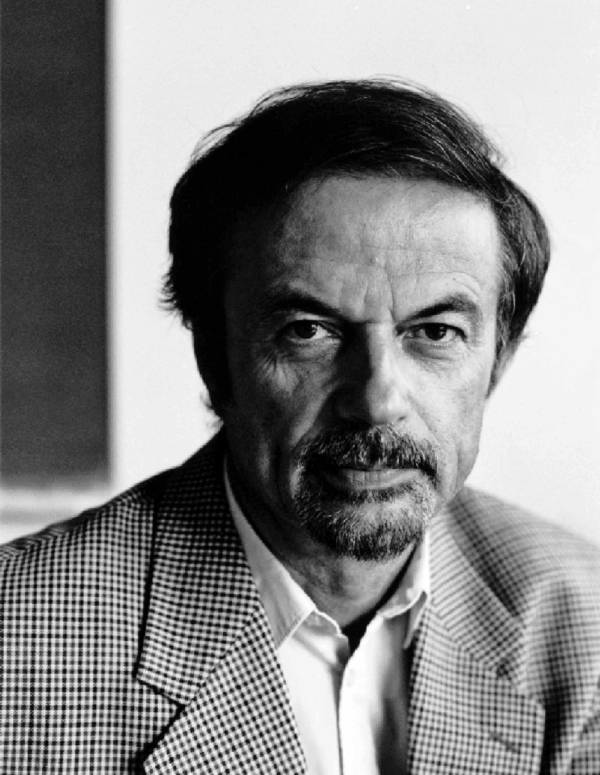
    Professor Harald Fritzsch

    The GDNÄ mourns the death of its former president

    The former President of the Society of German Natural Scientists and Physicians (GDNÄ), the physicist Prof. Dr. Harald Fritzsch, passed away in Munich on 16 August 2022 at the age of 79. Harald Fritzsch was President of the GDNÄ in 2003 to 2004 and chaired the 123rd Assembly in Passau.

    “Harald Fritzsch was a theoretical physicist who made important contributions to the theory of quarks”, says GDNÄ President Professor Martin Lohse. “He also made a name for himself as an author of popular science books, for example with his book ‘Quarks’, which appeared in 1981. In his later works, he had scientists from different eras discuss difficult physics topics with each other.”

    Harald Fritzsch was born in Zwickau in 1943. After graduating from the Gerhart Hauptmann extended secondary school, he was a soldier in the GDR’s National People’s Army in Kamenz from the summer of 1961, where he trained with the air force. He studied physics in Leipzig from 1963 to 1968. In 1968, he and a friend were the initiators of a risky, extremely high-profile protest action against the demolition of the 700-year-old Paulinerkirche. Fritzsch and his friend managed a daring escape by folding boat across the Black Sea to Turkey. He continued his studies in Munich, where he received his doctorate in 1971 under the guidance of Heinrich Mitter with a thesis “On the algebraic structure of observables in the strong interaction”. After his doctorate, he went to the European Research Centre CERN near Geneva for a year. He then moved with Murray Gell-Mann to the California Institute of Technology (Caltech) in Pasadena. From 1977 to 1978 he was a professor at the University of Wuppertal. In 1979 Fritzsch moved to the University of Bern, then in 1980 to the Ludwig Maximilians University of Munich. He became emeritus professor in 2008. Fritzsch was a full member of the Berlin-Brandenburg Academy of Sciences.

    The GDNÄ will honour the memory of its former president, the renowned physicist Professor Harald Fritzsch.

    Nobelpreisträger Paul J. Crutzen

    © Rotary Magazin

    Professor Harald Fritzsch

    RNA Medicine. Once underestimated, now a beacon of hope

    RNA Medicine

    Once underestimated, now a beacon of hope

    In the Corona pandemic, mRNA vaccines proved their effectiveness and safety. They mark the beginning of a new era in medicine, says Würzburg infection biologist Jörg Vogel. He will describe the triumph of ribonucleic acid in therapy at the GDNÄ Annual Meeting in Leipzig – and here in an interview. 

    Professor Vogel, one of the main topics of the anniversary meeting in Leipzig is RNA medicine. What makes this new therapeutic direction so interesting?
    The well-founded hope that previously incurable diseases can finally be treated. This was triggered by the great success of mRNA vaccines in the Corona pandemic. Not only could the vaccines be developed very quickly, but they also proved to be highly effective and safe. There is currently an incredible sense of optimism worldwide; some are even talking about a medical revolution. The task now is to transfer the active principle to as many diseases as possible. 

    Which diseases could be considered?
    There are hardly any limits. Research is currently focusing on cancer and cardiovascular diseases. But other common diseases such as dementia are also possible candidates. And for numerous rare diseases, especially when they are caused by defects in a single gene, RNA medicine could finally bring a breakthrough. Some RNA drugs are already on the market in the EU, and I expect to see many new therapies soon. 

    RNA seems to be an all-rounder. How does it manage that?
    It has to do with its many capabilities, which have long been overlooked. In the past, almost everything focused on messenger RNA, or mRNA for short, a messenger molecule that carries genetic blueprints from the cell nucleus to the protein factories in the cytosol. In addition to tRNA, which has also been known for some time and which transports amino acids to the protein factories, the ribosomes, and rRNA, which is a component of these protein factories, many other classes of RNA have been discovered in recent years. They have been given names such as miRNA for micro-RNA or siRNA for small interfering RNA. More than a dozen different RNA classes are now known, and new ones are being added all the time. What is clear today is that RNA controls vital processes in cells, and errors in this control can cause disease. Or, to exaggerate a bit: RNA is the real player in our cells and organs.

    Impressionen vom Vorbereitungstreffen des Schülerprogramms im Juni 2022 in Leipzig.

    © SciGraphix/Sandy Westermann

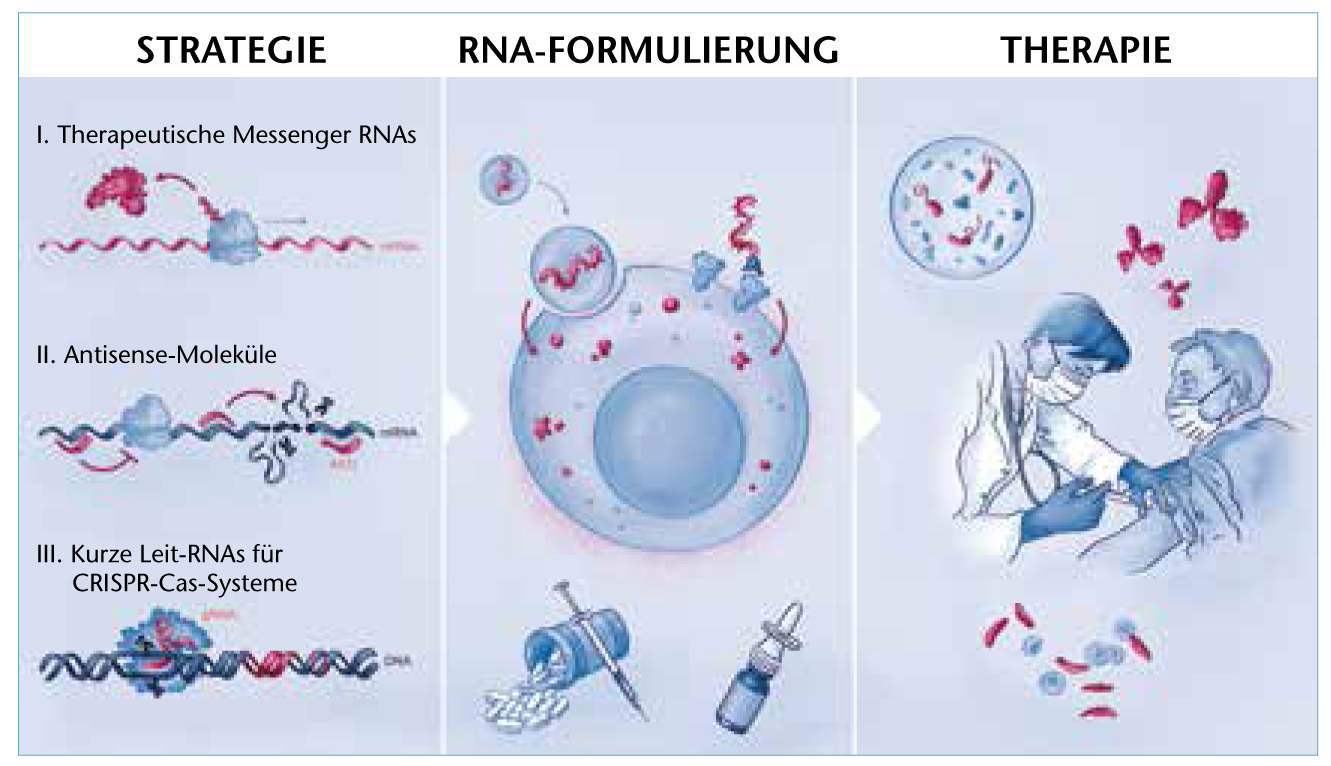
    Modern RNA medicine uses therapeutic mRNA, antisense strategies and CRISPR-Cas systems, among others, to treat various diseases.

    How can the miracle molecule be used medically?
    In two ways: in modified form as a drug and, when it comes to the body’s own RNA, as a target for tailored drugs. mRNA vaccines are a good example of the first mode of action. For example, Biontech/Pfizer’s Corona vaccine contains a laboratory-generated mRNA variant of the spike protein of SARS-CoV-2. After vaccination, the body generates this spike protein variant, which elicits a strong immune response. The vaccine functions as an antigen that triggers the production of antibodies by the immune system. Similarly, it is hoped to stimulate the immune system to produce antibodies against cancer cells with the help of specifically modified RNA. Several studies are already underway. The lung cells of cystic fibrosis patients could also be modified using the CRISPR-Cas method so that they produce a vital protein in the correct form. It is not yet possible to predict which of these therapies will prevail from a medical and cost perspective. 

    Please also explain the second active principle with an example.
    In cardiac medicine, for example, research is being carried out to prevent the production of pathogenic proteins by artificially produced siRNA. To do this, RNA snippets are created in the laboratory that have a structure exactly complementary to the sequence of the body’s own RNA – so-called antisense molecules. The idea is to couple them to small liposomes and inject them under the skin. These liposomes are to enter the heart to deliver their siRNA cargo into the cells. The cargo, the plan goes, docks with the body’s own RNA and paralyzes it. In a similar way, non-coding RNA, which does not make proteins in the body but regulates many processes, could be directed in the desired direction when it malfunctions.  

    In short, what can RNA medicine do that conventional drugs cannot?
    One major advantage is programmability: active ingredients can be designed exactly as needed. Another advantage is speed. You can design a therapeutic on screen in minutes and then manufacture it quickly if the production capacity is there. Just think about mRNA vaccines, which were available very quickly.

    Impressionen vom Vorbereitungstreffen des Schülerprogramms im Juni 2022 in Leipzig.

    © RVZ

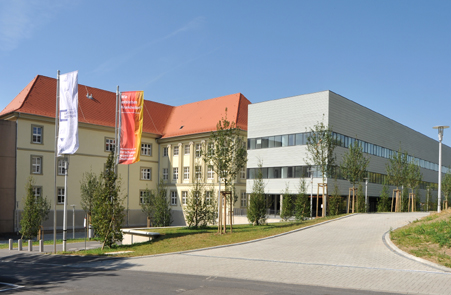
    Old and new in aesthetic combination: The converted and expanded former Surgical Clinic of Würzburg University now houses two research centres, the Helmholtz Institute for RNA-based Infection Research and the Rudolf Virchow Centre for Experimental Biomedicine.

    But do RNA therapies do exactly what they are supposed to?
    They are very specific. Perhaps even more specific than conventional drugs that target proteins. This has to do with the exact base pairing in nucleic acids.

     And if serious side effects occur: Can the RNA be recovered?
    We don’t know exactly yet. So far, it hasn’t been necessary because the mRNA quickly disappears from the body again. But we will have to think about something for the future. So far, it is only a research idea to create depots with replacement proteins in the body. But if this succeeds, we must of course have protective mechanisms ready in case of incompatibilities. However, I do not see a problem in principle, because an antidote could also be designed here. For example, an anti-CRISPR-Cas molecule that is administered on demand. 

    Unlike today’s drugs, RNA is very unstable. How do you prevent it from rapidly decaying in the body and becoming ineffective?
    To do that, you have to change its chemical structure. The mRNA vaccine again provides a fitting example. The fact that it works so well is thanks to biochemist Katalin Karikó. Together with immunologist Drew Weissmann, she incorporated a variant of the base uridine, pseudouridine, into the mRNA well in advance. This not only makes the molecule more stable and efficient, it also reduces the risk of immune system overreactions.  

    A pioneering achievement that made the saving vaccines possible in the first place?
    Yes, and certainly worthy of a Nobel Prize. If you contrast experiments with non-modified mRNA, it shows that it can’t be done without this modification. That’s the reason why some other vaccine candidates have failed so far.  

    Let’s clarify a few technical issues. RNA molecules are large and very negatively charged. How do you get them where you want them in the body?
    In the case of mRNA vaccination, this works very well: the vaccine injected into the upper arm muscle is taken up by certain immune cells in the muscle and from there leads directly to an immune response. However, as already mentioned, depots near target organs such as the lungs, liver or kidneys are also being considered. Sprays are also under discussion. Overall, this is a big research topic right now. Compliance is also always important: How well is the therapy accepted by patients and how do they stick to it – all this plays a role.  

    Today, RNA molecules are mainly packaged in lipids in order to smuggle them into the cells. Is this the best method?
    At present, yes. Nanocages, which can be thought of as cages made of DNA for transporting RNA, are also being tested. The most important thing is to protect the comparatively large RNA molecules from attacks by the immune system and degradation by enzymes – all methods must be measured against these criteria.  

    How long does the effect of RNA therapy last?
    That depends on the technology. In mRNA therapy, similar to Corona vaccination, the protein is produced for a few days after administration – after which the mRNA is degraded. The protein, in turn, can exist in the body for days to weeks and exert its effect until it is then also degraded. For example, in the treatment of spinal muscular atrophy SMA, the drugs that promote mRNA maturation must be given every two to four months.  

    How far along is testing in humans?
    Among the most advanced is a CRISPR-Cas trial of an RNA agent to treat the inherited disease beta-thalassemia. Until now, patients have required regular blood transfusions. If the new therapy proves successful, that will no longer be necessary. Then their bodies will produce the missing hemoglobin. New mRNA-based vaccines are also undergoing clinical trials, for example against influenza or malaria.

    Impressionen vom Vorbereitungstreffen des Schülerprogramms im Juni 2022 in Leipzig.

    © HIRI / Luisa Macharowsky

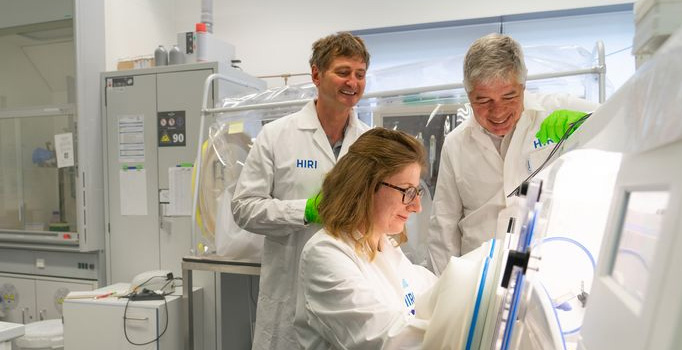
    At the anaerobic workbench in the laboratory of the Helmholtz Institute for Infection Research with Professor Jörg Vogel (left).

    Why has RNA medicine only now become a big topic?
    It took the pandemic to build up pressure. It provided the necessary push and showed that mRNA vaccines and RNA medicine as a whole are effective and safe. 

    You are considered a pioneer in RNA medicine. What brought you in this direction?
    I studied biochemistry and worked in molecular biology laboratories as a student, including in plant genetics. I then also did my doctorate there, on molecular mechanisms of catalytic RNA molecules in barley chloroplasts.

    You have headed the Helmholtz Institute for RNA-based Infection Research for more than five years. Where do you stand today? The institute has developed magnificently, in parallel with the growing importance of RNA research. When we started out, the topic of vaccines was still primarily thought of as proteins as active agents, not RNA. That has changed dramatically in recent years. Today, innovations are expected primarily from RNA research. At our institute, we benefit greatly from high-throughput sequencing: This allows us to look inside the cells as if with a microscope and see which RNA is currently being produced. Meanwhile, we’re also pretty good at modifying RNA to make it medically useful.  

    Is medical utility a big issue with you?
    When it comes to new approaches, yes. But we are basic researchers. Further development is a matter for industry. 

    Does your institute work with pharmaceutical companies?
    So far, hardly at all, but that is set to change. We are currently preparing the first spin-off. It involves RNA-based diagnostics and tests that can detect many different pathogens simultaneously. 

    There is still no cure for the common cold. Will RNA medicine be able to cope with it?
    Why not? We already have ideas!  

    A shorter version of this interview can be found in the publication for the 200th anniversary of the GDNÄ: Wenn der Funke überspringt, Leipzig 2022, ISBN 978-3-95415-130-1.

    Impressionen vom Vorbereitungstreffen des Schülerprogramms im Juni 2022 in Leipzig.

    © HIRI

    RNA biology is his main research focus: Professor Jörg Vogel

    About the person

    Jörg Vogel is Professor of Molecular Infection Biology and founding director of the Helmholtz Institute for RNA-based Infection Research (HIRI) in Würzburg. The institute is operated as a site of the Braunschweig Helmholtz Centre for Infection Research together with the University of Würzburg. It is the world’s first institute to bring together RNA biology and infection research. In parallel, Jörg Vogel heads the Institute for Molecular Infection Biology at the University of Würzburg. In 2017, he received the Leibniz Prize of the German Research Foundation for his work on RNA biology.

    Ribonucleic acid (RNA)

    As mRNA, ribonucleic acid (RNA) ensures that the information stored in DNA is converted into the proteins necessary for life. Other RNA classes regulate the activity of genes or have catalytic functions. RNA is similar in structure to DNA. Unlike DNA, it is usually single-stranded, which makes it less stable but also more chemically versatile than DNA. Chemical evolution on earth began with RNA – all organisms probably evolved from it. 

    Commemorative publication for the GDNÄ anniversary

    Commemorative publication for the GDNÄ anniversary

    200 eventful years on 200 pages

    A lavishly designed commemorative publication in the style of a modern non-fiction book will be available from beginning of September 2022, just in time for the anniversary meeting in Leipzig. On two hundred pages it deals with the eventful history of the GDNÄ, its present range of tasks and the perspectives for the future.

    The richly illustrated book sketches the path of the GDNÄ through two centuries. It stops at important stations, looks far into the future, and lets research spark. Then, for example, when renowned scientists, including many GDNÄ members, give inspiring and comprehensible accounts of their own research and the development of the field. These “workshop reports” deal, for example, with an expedition to the deep sea, the search for dark matter, new techniques of energy storage and the history of modern climate research. Also exciting to read are the interviews with a pioneer of the new RNA medicine and the Nobel Prize winner who was honored for the invention of organic catalysis.

    Greetings from politicians and scientists introduce the festschrift. The book is rounded off with a multifaceted outlook into the future.

    Editor and co-author of the commemorative publication is Professor Martin Lohse, President of the GDNÄ. The work was designed by Thomas Liebscher, graduate graphic designer, founder and owner of the Leipzig publishing house Passage-Verlag. Here are some sample pages:

    Impressionen vom Vorbereitungstreffen des Schülerprogramms im Juni 2022 in Leipzig.

    From the commemorative volume for the great anniversary of the GDNÄ. © Thomas Liebscher, Passage-Verlag

    Further information:

    A society with history(s)

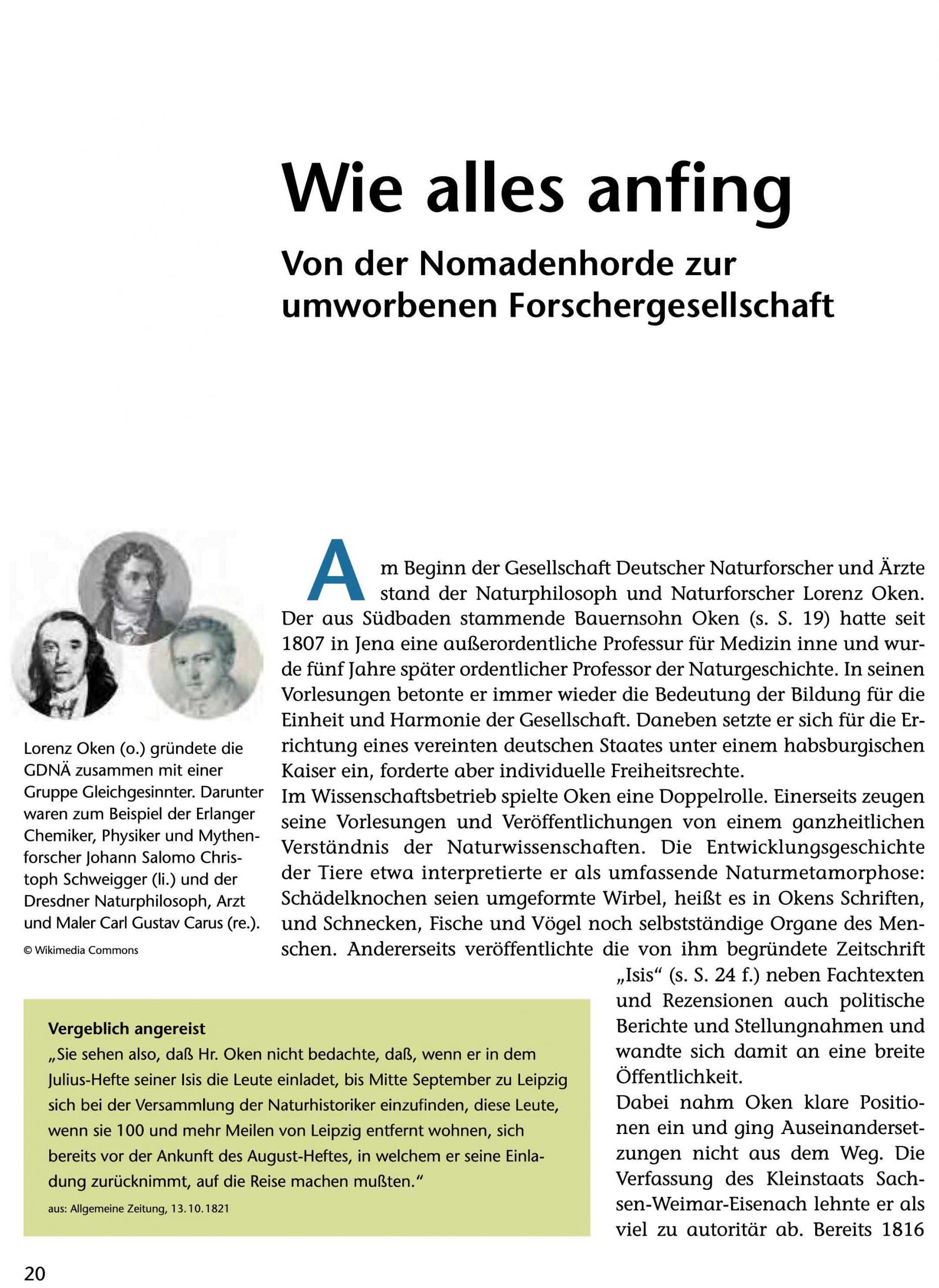
    United in advancing the sciences, in open discussion and a friendly atmosphere – that was what the group around Lorenz Oken wanted when they founded the Society of German Naturalists and Physicians (GDNÄ) in Leipzig in 1822. Initially ridiculed as a “scientific nomadic horde,” the research society quickly developed into a meeting place for Europe’s scientific and medical elite. To this day, the GDNÄ remains committed to its core concerns –interdisciplinary exchange, dialogue with society and the promotion of young scientists.

    The book contains contributions by Christiane Angermann, Marie-Luise Beck, Lilo Berg, Rainer Blatt, Matthias Bochtler, Angelika Brandt, Dietrich von Engelhardt, Georg Ertl, Jörg Hacker, Günther Hasinger, Heribert Hofer, Robert Huber, Sandra Kumm, Benjamin List, Martin Lohse, Thomas Lohse, Jochem Marotzke, Ansgar Schanbacher, Robert Schlögl, Jörg Vogel, Wolfgang Wahlster, Ernst-Ludwig Winnacker, Ekkehard Winter and many others.

    Lohse, Martin (ed.): Wenn der Funke überspringt, Passage-Verlag Leipzig 2022, ISBN 3954151308, 29 euros (to be published on beginning of September 2022).

    Jörg Junhold: “We open windows into nature”

    “We open windows into nature”

    How Jörg Junhold modernised Leipzig Zoo from the ground up and opened many doors for the GDNÄ in his home town. His commitment makes the 200th anniversary a glittering celebration. 

    Professor Junhold, the anniversary meeting of the GDNÄ is approaching. What does the scientific meeting mean for your zoo? 
    It is a great honour for us and we are very happy that the GDNÄ is returning to its founding site for the 200th anniversary. After all, the meeting will take place in the immediate vicinity, in the Congress Hall at Leipzig Zoo. Of course, we hope that many conference visitors will take the opportunity to drop in on us – everyone is cordially invited. We are also part of the official programme: the traditional evening reception for the speakers and sponsors of the conference will take place in our tropical experience world Gondwanaland, in the presence of the Mayor of Leipzig, Burkhard Jung.

    Museumsinsel Ansicht Herbst © Deutsches Museum

    © Zoo Leipzig

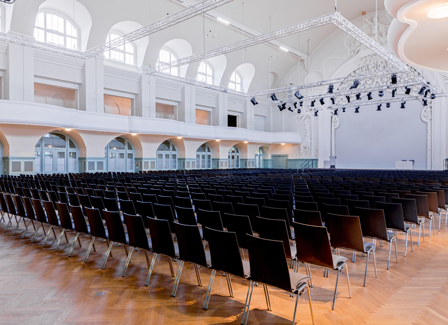
    The Congress Hall, where the GDNÄ is celebrating its 200th anniversary, is right next to Leipzig Zoo.

    You are not only the host during the conference, you are also represented on the board of the GDNÄ. How can we imagine your work there?
    We have been working towards the meeting in the Board for two years, with regular meetings, which mostly took place digitally due to the pandemic. I was very warmly welcomed and it was great fun to work with so many bright minds. As Managing Director Economy, it was my task in the preparatory phase to open doors for the GDNÄ here in Leipzig and to win sponsors for the conference.

    Looking at the programme, you have succeeded well. What is your secret? 
    There is no big secret. I am an enthusiastic Leipziger, have lived in the city since 1985 and am involved in many committees here. For example, in city marketing, on the university council or, for the past twenty years, on the board of the Cultural Foundation. In addition, the people of Leipzig love their zoo, it is really supported by the citizens and this then also radiates onto our concerns and projects. 

    You started as director of Leipzig Zoo on 1 November 1997. That was almost a quarter of a century ago. How did you find the zoo back then? 
    It was in a very difficult situation. The animal facilities were completely outdated, visitor numbers were in sharp decline and the finances were a disaster. The zoo was threatened with gradual closure. 

    Not a rosy starting position for a new director. Why did you take on the job anyway? 
    Because I saw a huge opportunity for the zoo. And I was incredibly excited to be able to help shape the city’s transformation.

    Lesesaal des Archivs © Deutsches Museum

    © Zoo Leipzig

    An Amur leopard goes on the prowl in Leopard Valley at Leipzig Zoo.

    Where is your zoo today?
    It has been completely redesigned and enjoys a great reputation, both among visitors and among experts – I can say that without exaggeration. Our zoo is now a popular leisure venue and is often booked for events, from weddings to elegant receptions to corporate events. All of this increases Leipzig’s attractiveness as a tourist destination, trade fair city and economic centre far beyond the borders of central Germany.  

    How has this been achieved? 
    Our “Zoo of the Future” master plan plays a central role. When I took up my post in 1997, I requested some time from the city of Leipzig to develop a renewal concept. We then worked on it with a small team in a good two years and presented it on 14 June 2000. I will never forget that day: Our vision of a modern zoo that meets animal needs at the highest level, opens a window to nature for visitors and at the same time convinces as an excellent host was unanimously accepted by the city council. For us, this was an enormous incentive and since then we have been implementing the master plan step by step.

    Lesesaal des Archivs © Deutsches Museum

    © Zoo Leipzig

    Around two hundred animal species from Asia, Africa and South America live in the Gondwanaland tropical adventure world, which opened in 2011.

    What have you achieved, what remains to be done? 
    Fortunately, most of it has been achieved. One milestone was the opening of the Gondwanaland tropical adventure world in 2011. This is a huge hall with many thousands of tropical plants, almost two hundred exotic animal species and a pristine rainforest like the one that shaped the primeval continent of Gondwana. Gondwanaland is our showcase project and has brought us international recognition. Another example is the world’s unique ape enclosure Pongoland, which we created in cooperation with the Max Planck Institute for Evolutionary Anthropology, also based in Leipzig. This year we were able to open the redesigned aquarium and in 2023 we will present a completely modernised terrarium. Intensive work is also being done on the Tierra del Fuego project with a walk-through underwater tunnel where visitors can experience penguins and seals as if they were diving. The Asian Island World with numerous aviaries and a crane facility will be the finale. 

    Allow us a look behind the scenes: How do projects like this come about? 
    Thank you for the question, because this creative process is what I love the most. We have a small development team consisting of veterinarians, biologists and architects. When we have a new project, we look around the world, get inspired by solutions from other zoos and develop our own ideas. Money doesn’t play a role in the beginning, the ideas should bubble up first – the plans can always be trimmed down later. 

    There is a lot of public discussion today about biodiversity and species protection. What role do these topics play for your zoo? 
    A very big one – not only for us, but for modern zoos all over the world. Habitats for wild animals are shrinking everywhere and the social importance of zoos as centres of nature and species conservation is growing accordingly. Our populations are self-sustaining, which means: we no longer take animals from the wild, but manage our animal populations through so-called conservation breeding programmes in which zoos worldwide participate. For many endangered species, we house reserve populations and have the necessary expertise to treat sick animals, whether in the zoo or in the wild. And, most importantly, we raise awareness of the biodiversity crisis and encourage people to do something about it. 

    Is your zoo also involved in science? 
    Yes, that is actually a major concern for us. We run long-term species conservation projects that are intensively monitored scientifically. In Vietnam, for example, in the Cuc Phuong National Park. There, we are preparing langurs that were confiscated from illegal captivity for reintroduction into the wild. These leaf-eating primates are endemic to Vietnam and have become rare. In Chile, we maintain a breeding station for an endangered frog species together with the University of Concepción. Overall, we see ourselves as a scientifically working zoo, managed by biologists and veterinarians as a non-profit institution and thus meeting the quality criteria of the World Zoo Association. Commercially oriented safari parks do not meet these standards.

    Lesesaal des Archivs © Deutsches Museum

    © Zoo Leipzig

    Dive in the elephant temple Ganesha Mandir.

    You have headed the International Zoo Association, are on the board of the European Zoo Association and now head the German Zoo Association. What do you gain from this work? 
    It broadens your horizons, sharpens your eye for the essentials and leads to many good contacts. In the meantime, the international zoo world comes and goes here in Leipzig – and that has a lot to do with the committee work. 

    Where does Leipzig Zoo rank today in international comparison? 
    We belong to the top group. In the Europe-wide zoo ranking by the British expert Anthony Sheridan, we are currently in second place behind Vienna and ahead of Zurich, and we are number one in Germany. 

    In a few years, the master plan will be completed. Is your zoo’s 150th birthday in 2028 the next major project? 
    We will of course celebrate the birthday in a big way, together with our visitors. There are already many ideas – let us surprise you.

    Matthias Röschner © Deutsches Museum

    © Zoo Leipzig

    Professor Jörg Junhold

    About the person

    Professor Jörg Junhold has been Managing Director and Director of Leipzig Zoo since 1997. The now 58-year-old comes from the Brandenburg town of Ortrand and studied veterinary medicine in Leipzig, where he received his doctorate in 1994. At that time, the licensed veterinarian was already working for Europe’s largest manufacturer of animal feed, Effem GmbH  – initially in field sales, later in marketing. In 1997 he was appointed head of Leipzig Zoo. His strategic concept “Zoo of the Future”, presented in June 2000, is still groundbreaking today. Since 2013, Jörg Junhold has been an honorary professor at the Faculty of Veterinary Medicine at Leipzig University. He has received several awards, including the Order of Merit of the Free State of Saxony. Junhold was president of the international umbrella organisation of larger zoos and aquariums, the World Association of Zoos and Aquaria, and its European counterpart. He has been President of the Association of Zoological Gardens in Germany since 2019.

    Archivplakat © Deutsches Museum

    © Zoo Leipzig

    Chimpanzee cubs in Pongoland

    Leipzig Zoo in figures

    Founded: in 1878 by Ernst Pinkert 
    Area: 27 hectares, including 2.1 hectares of water area
    Staff: around 260
    Animal species: about 630
    Investments: 200 million euros (2000-2021)
    Visitor numbers: around two million a year
    (status: beginning of 2022)

    Further information:

    Archivplakat © Deutsches Museum

    © Zoo Leipzig

    Frolicking lion cubs.

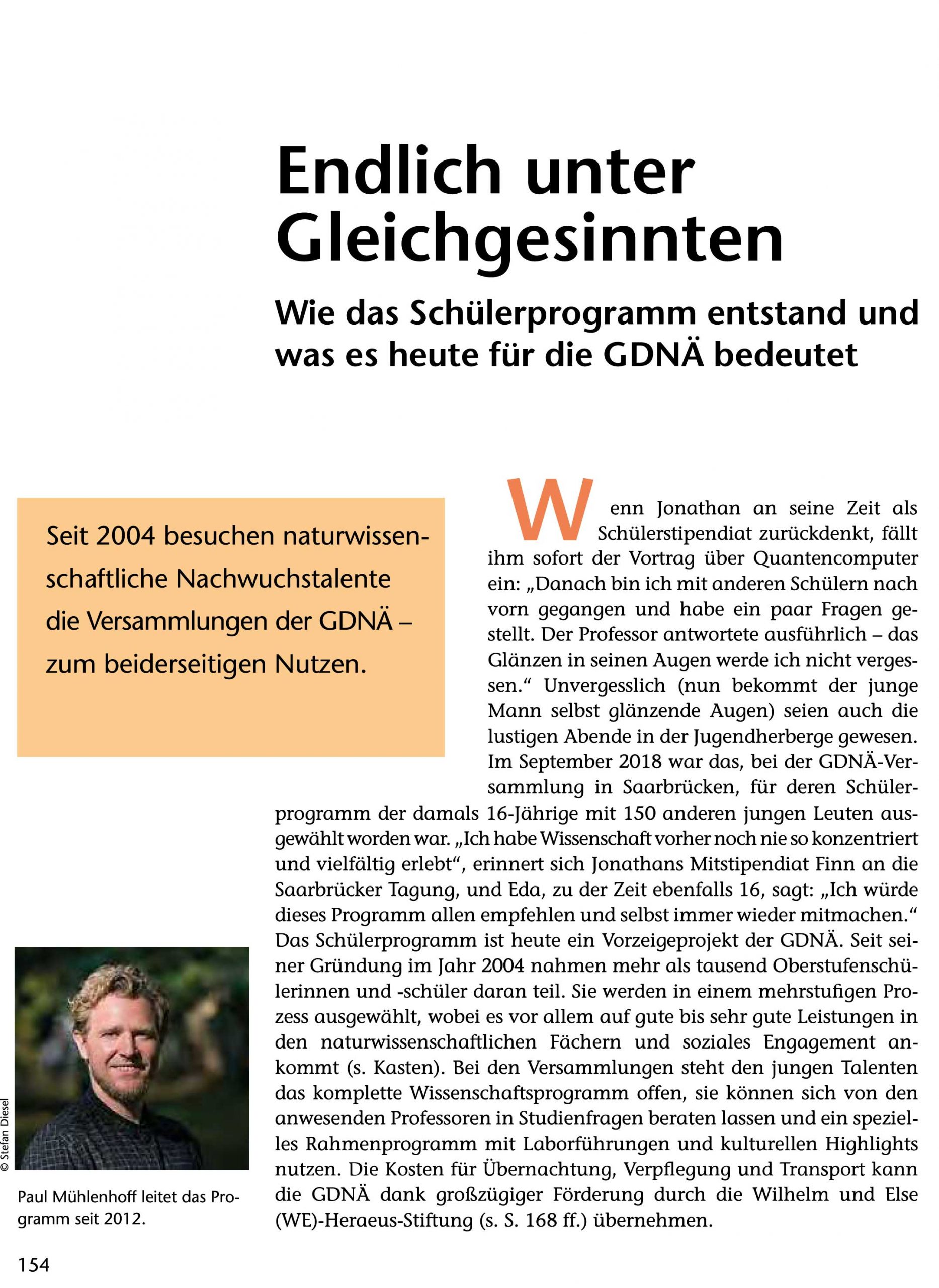
    “We only have one world” – Student presentation for the bicentennial celebration in Leipzig well on its way

    Preparation for the festive assembly

    “We only have one world”: Student presentation well on its way

    The student program plays a special role at the Bicentennial Celebration in Leipzig. Right on the opening day, September 8, representatives of this year’s group of students will present questions to science under the motto “We only have one world,” which they have worked out together beforehand. The impulses of the young people will be the focus of a subsequent panel discussion with a high-caliber panel of experts. The panel of experts will be moderated by GDNÄ President Professor Martin Lohse.

    To prepare for the presentation, students will meet several times before the assembly from September 8 to 11. A first meeting was held in early June; a final vote is scheduled for Sept. 7.

    Impressionen vom Vorbereitungstreffen des Schülerprogramms im Juni 2022 in Leipzig.

    © Michael Dröscher

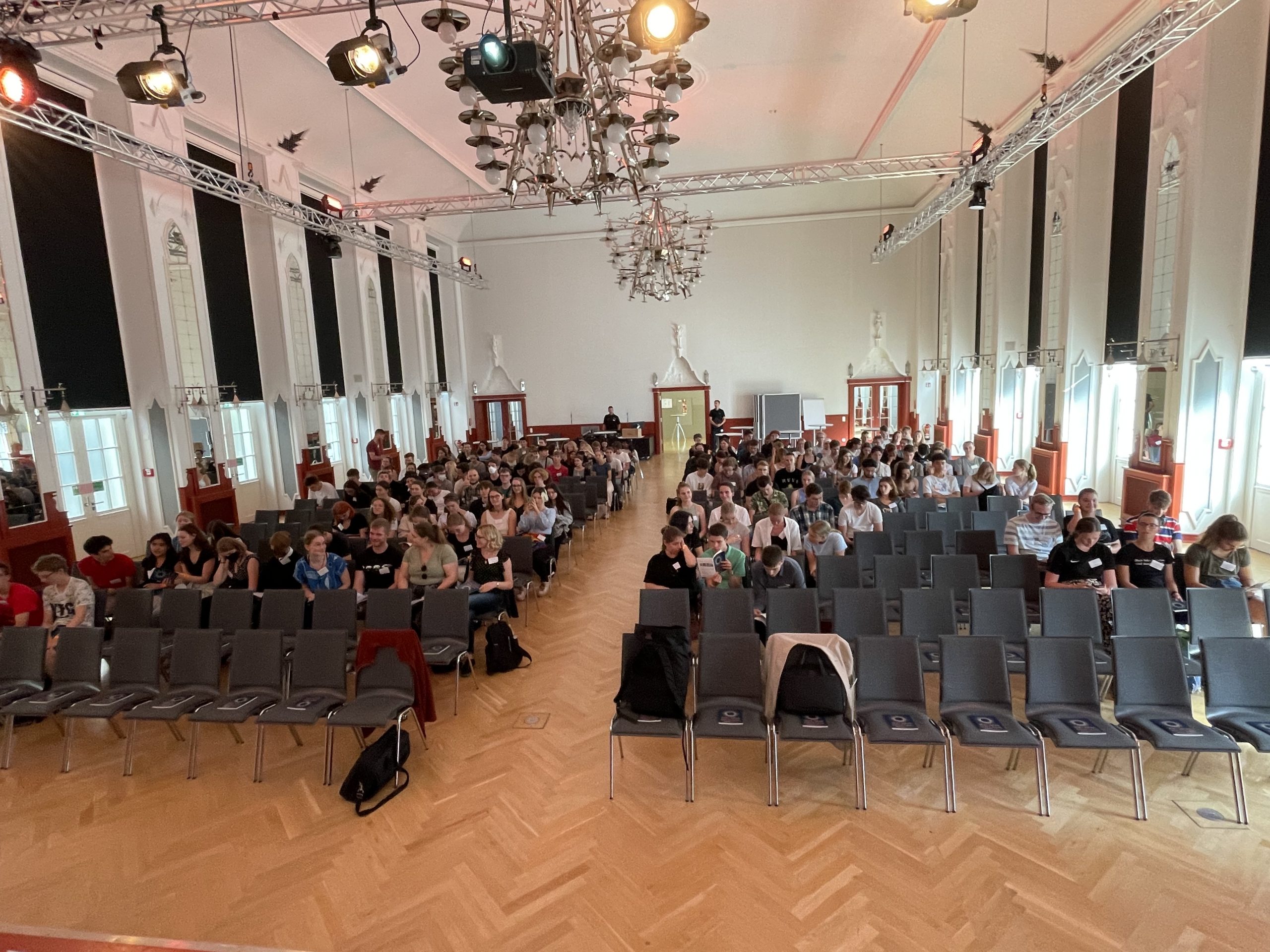
    In work groups, students discuss their ideas for presentation at the jubilee assembly.

    The first meeting was about defining the most important challenges with a view to the future of humanity. The guiding question was: Which problems are the most pressing and to what extent can the natural sciences contribute to solving them? Discussions took place in a total of six workshops, in which around one hundred students took part. The main topics were chemistry, biology, medicine, physics/geology, mathematics/computer science and technology/engineering. The working groups were supervised by Professor Eva-Maria Neher, Professor Wolfgang Lubitz, Professor Uwe Hartmann, Professor Michael Dröscher, Student Councilor Paul Mühlenhoff and tutors Clara Vogt and Moritz Sest. 

    The students from Leipzig and the surrounding area developed three joint questions per working group. In digital networking, they will now continue to work on the joint task until the next face-to-face meeting on September 7. The idea is that each team will agree on a challenging core question to science at the end, which will then be presented at the festive meeting.

    Impressionen vom Vorbereitungstreffen des Schülerprogramms im Juni 2022 in Leipzig.

    © Michael Dröscher

    Preparatory workshop at Leipzig: group of students in action.

    Impressionen vom Vorbereitungstreffen des Schülerprogramms im Juni 2022 in Leipzig.

    © Michael Dröscher

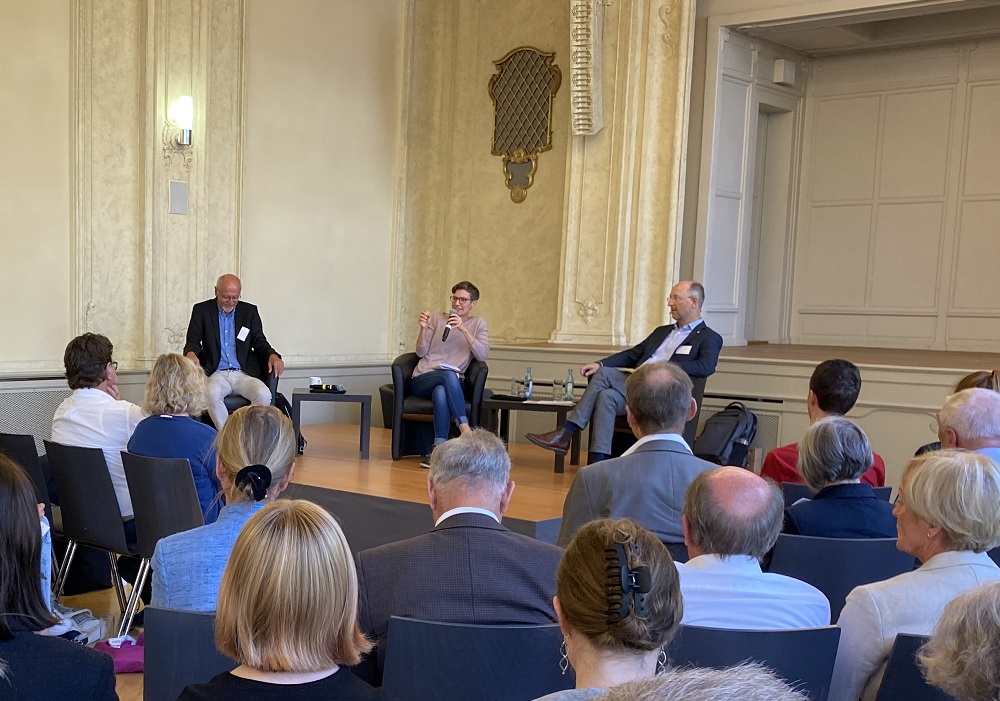
    Discussion panel at the June 2022 meeting with Student Program Director Paul Mühlenhoff (back right).

    Further information: