x xc

Commemorative publication for the GDNÄ anniversary

Commemorative publication for the GDNÄ anniversary

200 eventful years on 200 pages

A lavishly designed commemorative publication in the style of a modern non-fiction book will be available from beginning of September 2022, just in time for the anniversary meeting in Leipzig. On two hundred pages it deals with the eventful history of the GDNÄ, its present range of tasks and the perspectives for the future.

The richly illustrated book sketches the path of the GDNÄ through two centuries. It stops at important stations, looks far into the future, and lets research spark. Then, for example, when renowned scientists, including many GDNÄ members, give inspiring and comprehensible accounts of their own research and the development of the field. These "workshop reports" deal, for example, with an expedition to the deep sea, the search for dark matter, new techniques of energy storage and the history of modern climate research. Also exciting to read are the interviews with a pioneer of the new RNA medicine and the Nobel Prize winner who was honored for the invention of organic catalysis.

Greetings from politicians and scientists introduce the festschrift. The book is rounded off with a multifaceted outlook into the future.

Editor and co-author of the commemorative publication is Professor Martin Lohse, President of the GDNÄ. The work was designed by Thomas Liebscher, graduate graphic designer, founder and owner of the Leipzig publishing house Passage-Verlag. Here are some sample pages:

Impressionen vom Vorbereitungstreffen des Schülerprogramms im Juni 2022 in Leipzig.

From the commemorative volume for the great anniversary of the GDNÄ. © Thomas Liebscher, Passage-Verlag
Further information:

A society with history(s)

United in advancing the sciences, in open discussion and a friendly atmosphere – that was what the group around Lorenz Oken wanted when they founded the Society of German Naturalists and Physicians (GDNÄ) in Leipzig in 1822. Initially ridiculed as a "scientific nomadic horde," the research society quickly developed into a meeting place for Europe's scientific and medical elite. To this day, the GDNÄ remains committed to its core concerns –interdisciplinary exchange, dialogue with society and the promotion of young scientists.

The book contains contributions by Christiane Angermann, Marie-Luise Beck, Lilo Berg, Rainer Blatt, Matthias Bochtler, Angelika Brandt, Dietrich von Engelhardt, Georg Ertl, Jörg Hacker, Günther Hasinger, Heribert Hofer, Robert Huber, Sandra Kumm, Benjamin List, Martin Lohse, Thomas Lohse, Jochem Marotzke, Ansgar Schanbacher, Robert Schlögl, Jörg Vogel, Wolfgang Wahlster, Ernst-Ludwig Winnacker, Ekkehard Winter and many others.

Lohse, Martin (ed.): Wenn der Funke überspringt, Passage-Verlag Leipzig 2022, ISBN 3954151308, 29 euros (to be published on beginning of September 2022).
Jörg Junhold: “We open windows into nature”

"We open windows into nature"

How Jörg Junhold modernised Leipzig Zoo from the ground up and opened many doors for the GDNÄ in his home town. His commitment makes the 200th anniversary a glittering celebration. 

Professor Junhold, the anniversary meeting of the GDNÄ is approaching. What does the scientific meeting mean for your zoo? 
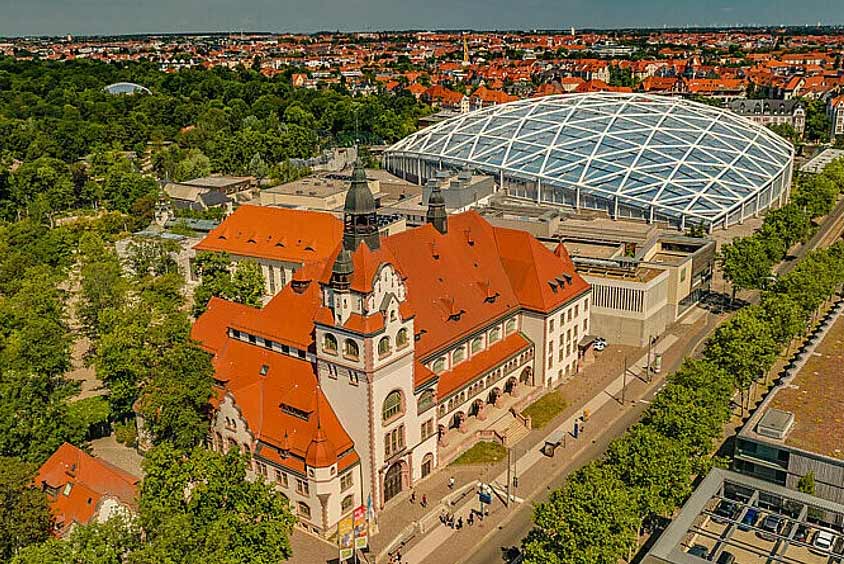
It is a great honour for us and we are very happy that the GDNÄ is returning to its founding site for the 200th anniversary. After all, the meeting will take place in the immediate vicinity, in the Congress Hall at Leipzig Zoo. Of course, we hope that many conference visitors will take the opportunity to drop in on us – everyone is cordially invited. We are also part of the official programme: the traditional evening reception for the speakers and sponsors of the conference will take place in our tropical experience world Gondwanaland, in the presence of the Mayor of Leipzig, Burkhard Jung.

Museumsinsel Ansicht Herbst © Deutsches Museum

© Zoo Leipzig

The Congress Hall, where the GDNÄ is celebrating its 200th anniversary, is right next to Leipzig Zoo.

You are not only the host during the conference, you are also represented on the board of the GDNÄ. How can we imagine your work there?
We have been working towards the meeting in the Board for two years, with regular meetings, which mostly took place digitally due to the pandemic. I was very warmly welcomed and it was great fun to work with so many bright minds. As Managing Director Economy, it was my task in the preparatory phase to open doors for the GDNÄ here in Leipzig and to win sponsors for the conference.

Looking at the programme, you have succeeded well. What is your secret? 
There is no big secret. I am an enthusiastic Leipziger, have lived in the city since 1985 and am involved in many committees here. For example, in city marketing, on the university council or, for the past twenty years, on the board of the Cultural Foundation. In addition, the people of Leipzig love their zoo, it is really supported by the citizens and this then also radiates onto our concerns and projects. 

You started as director of Leipzig Zoo on 1 November 1997. That was almost a quarter of a century ago. How did you find the zoo back then? 
It was in a very difficult situation. The animal facilities were completely outdated, visitor numbers were in sharp decline and the finances were a disaster. The zoo was threatened with gradual closure. 

Not a rosy starting position for a new director. Why did you take on the job anyway? 
Because I saw a huge opportunity for the zoo. And I was incredibly excited to be able to help shape the city's transformation.

Lesesaal des Archivs © Deutsches Museum

© Zoo Leipzig

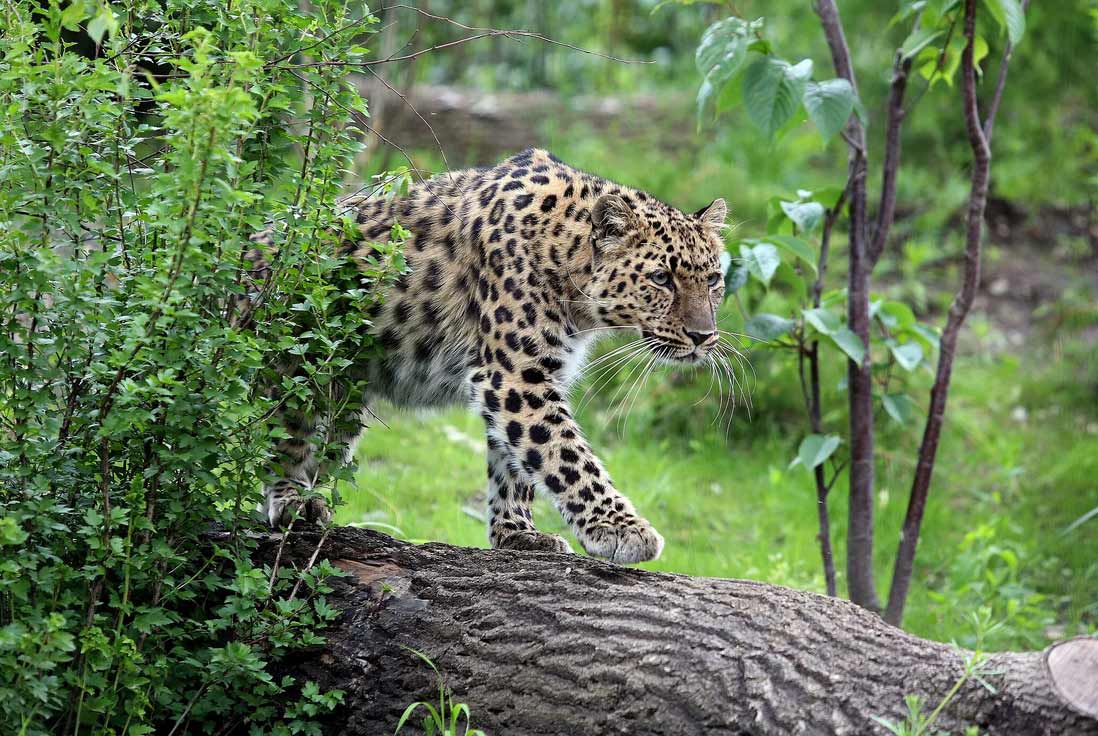
An Amur leopard goes on the prowl in Leopard Valley at Leipzig Zoo.

Where is your zoo today?
It has been completely redesigned and enjoys a great reputation, both among visitors and among experts – I can say that without exaggeration. Our zoo is now a popular leisure venue and is often booked for events, from weddings to elegant receptions to corporate events. All of this increases Leipzig's attractiveness as a tourist destination, trade fair city and economic centre far beyond the borders of central Germany.  

How has this been achieved? 
Our "Zoo of the Future" master plan plays a central role. When I took up my post in 1997, I requested some time from the city of Leipzig to develop a renewal concept. We then worked on it with a small team in a good two years and presented it on 14 June 2000. I will never forget that day: Our vision of a modern zoo that meets animal needs at the highest level, opens a window to nature for visitors and at the same time convinces as an excellent host was unanimously accepted by the city council. For us, this was an enormous incentive and since then we have been implementing the master plan step by step.

Lesesaal des Archivs © Deutsches Museum

© Zoo Leipzig

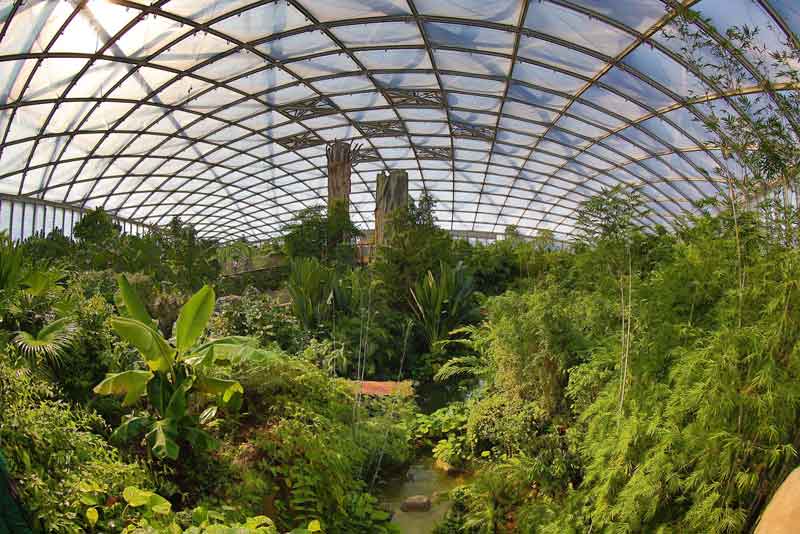
Around two hundred animal species from Asia, Africa and South America live in the Gondwanaland tropical adventure world, which opened in 2011.

What have you achieved, what remains to be done? 
Fortunately, most of it has been achieved. One milestone was the opening of the Gondwanaland tropical adventure world in 2011. This is a huge hall with many thousands of tropical plants, almost two hundred exotic animal species and a pristine rainforest like the one that shaped the primeval continent of Gondwana. Gondwanaland is our showcase project and has brought us international recognition. Another example is the world's unique ape enclosure Pongoland, which we created in cooperation with the Max Planck Institute for Evolutionary Anthropology, also based in Leipzig. This year we were able to open the redesigned aquarium and in 2023 we will present a completely modernised terrarium. Intensive work is also being done on the Tierra del Fuego project with a walk-through underwater tunnel where visitors can experience penguins and seals as if they were diving. The Asian Island World with numerous aviaries and a crane facility will be the finale. 

Allow us a look behind the scenes: How do projects like this come about? 
Thank you for the question, because this creative process is what I love the most. We have a small development team consisting of veterinarians, biologists and architects. When we have a new project, we look around the world, get inspired by solutions from other zoos and develop our own ideas. Money doesn't play a role in the beginning, the ideas should bubble up first – the plans can always be trimmed down later. 

There is a lot of public discussion today about biodiversity and species protection. What role do these topics play for your zoo? 
A very big one – not only for us, but for modern zoos all over the world. Habitats for wild animals are shrinking everywhere and the social importance of zoos as centres of nature and species conservation is growing accordingly. Our populations are self-sustaining, which means: we no longer take animals from the wild, but manage our animal populations through so-called conservation breeding programmes in which zoos worldwide participate. For many endangered species, we house reserve populations and have the necessary expertise to treat sick animals, whether in the zoo or in the wild. And, most importantly, we raise awareness of the biodiversity crisis and encourage people to do something about it. 

Is your zoo also involved in science? 
Yes, that is actually a major concern for us. We run long-term species conservation projects that are intensively monitored scientifically. In Vietnam, for example, in the Cuc Phuong National Park. There, we are preparing langurs that were confiscated from illegal captivity for reintroduction into the wild. These leaf-eating primates are endemic to Vietnam and have become rare. In Chile, we maintain a breeding station for an endangered frog species together with the University of Concepción. Overall, we see ourselves as a scientifically working zoo, managed by biologists and veterinarians as a non-profit institution and thus meeting the quality criteria of the World Zoo Association. Commercially oriented safari parks do not meet these standards.

Lesesaal des Archivs © Deutsches Museum

© Zoo Leipzig

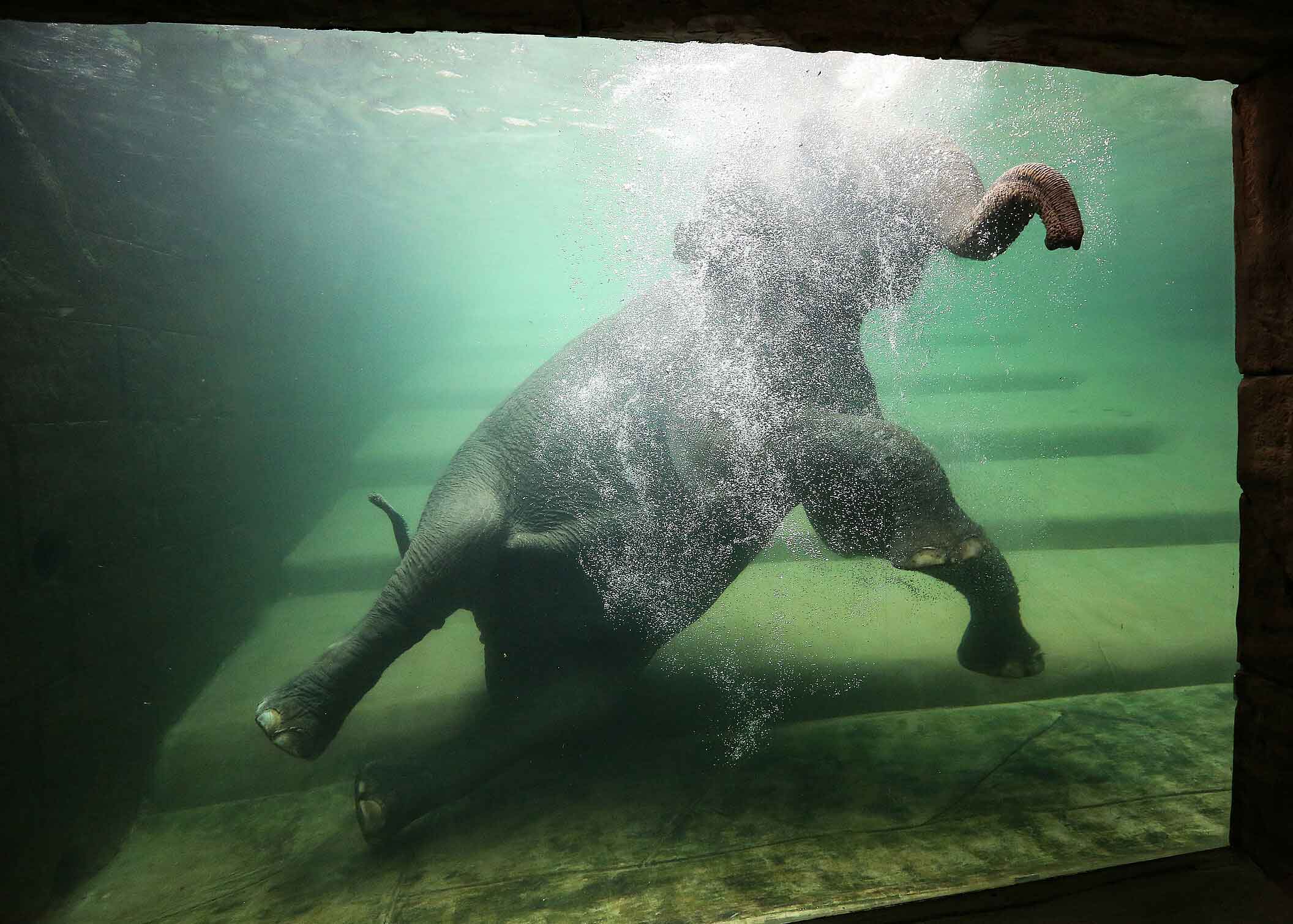
Dive in the elephant temple Ganesha Mandir.

You have headed the International Zoo Association, are on the board of the European Zoo Association and now head the German Zoo Association. What do you gain from this work? 
It broadens your horizons, sharpens your eye for the essentials and leads to many good contacts. In the meantime, the international zoo world comes and goes here in Leipzig – and that has a lot to do with the committee work. 

Where does Leipzig Zoo rank today in international comparison? 
We belong to the top group. In the Europe-wide zoo ranking by the British expert Anthony Sheridan, we are currently in second place behind Vienna and ahead of Zurich, and we are number one in Germany. 

In a few years, the master plan will be completed. Is your zoo's 150th birthday in 2028 the next major project? 
We will of course celebrate the birthday in a big way, together with our visitors. There are already many ideas – let us surprise you.

Matthias Röschner © Deutsches Museum

© Zoo Leipzig

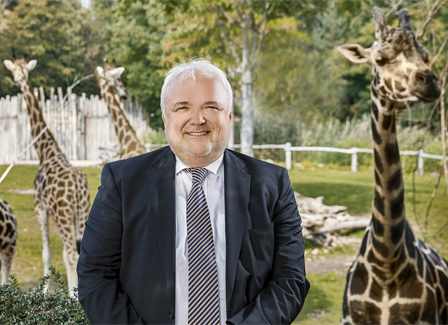
Professor Jörg Junhold

About the person

Professor Jörg Junhold has been Managing Director and Director of Leipzig Zoo since 1997. The now 58-year-old comes from the Brandenburg town of Ortrand and studied veterinary medicine in Leipzig, where he received his doctorate in 1994. At that time, the licensed veterinarian was already working for Europe's largest manufacturer of animal feed, Effem GmbH  – initially in field sales, later in marketing. In 1997 he was appointed head of Leipzig Zoo. His strategic concept "Zoo of the Future", presented in June 2000, is still groundbreaking today. Since 2013, Jörg Junhold has been an honorary professor at the Faculty of Veterinary Medicine at Leipzig University. He has received several awards, including the Order of Merit of the Free State of Saxony. Junhold was president of the international umbrella organisation of larger zoos and aquariums, the World Association of Zoos and Aquaria, and its European counterpart. He has been President of the Association of Zoological Gardens in Germany since 2019.

Archivplakat © Deutsches Museum

© Zoo Leipzig

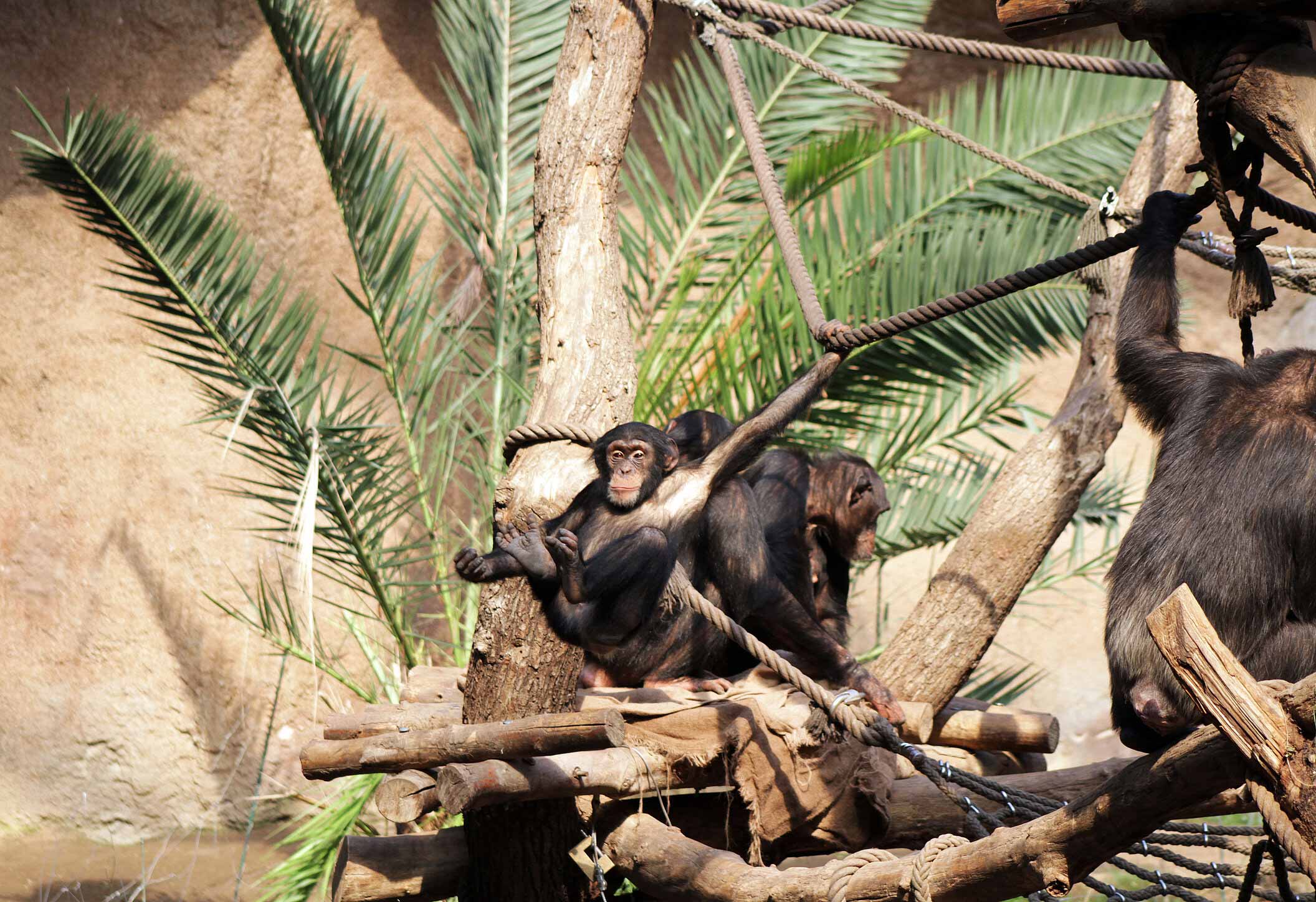
Chimpanzee cubs in Pongoland

Leipzig Zoo in figures

Founded: in 1878 by Ernst Pinkert 
Area: 27 hectares, including 2.1 hectares of water area
Staff: around 260
Animal species: about 630
Investments: 200 million euros (2000-2021)
Visitor numbers: around two million a year
(status: beginning of 2022)

Further information:

Archivplakat © Deutsches Museum

© Zoo Leipzig

Frolicking lion cubs.

“We only have one world” – Student presentation for the bicentennial celebration in Leipzig well on its way

Preparation for the festive assembly

"We only have one world": Student presentation well on its way

The student program plays a special role at the Bicentennial Celebration in Leipzig. Right on the opening day, September 8, representatives of this year's group of students will present questions to science under the motto "We only have one world," which they have worked out together beforehand. The impulses of the young people will be the focus of a subsequent panel discussion with a high-caliber panel of experts. The panel of experts will be moderated by GDNÄ President Professor Martin Lohse.

To prepare for the presentation, students will meet several times before the assembly from September 8 to 11. A first meeting was held in early June; a final vote is scheduled for Sept. 7.

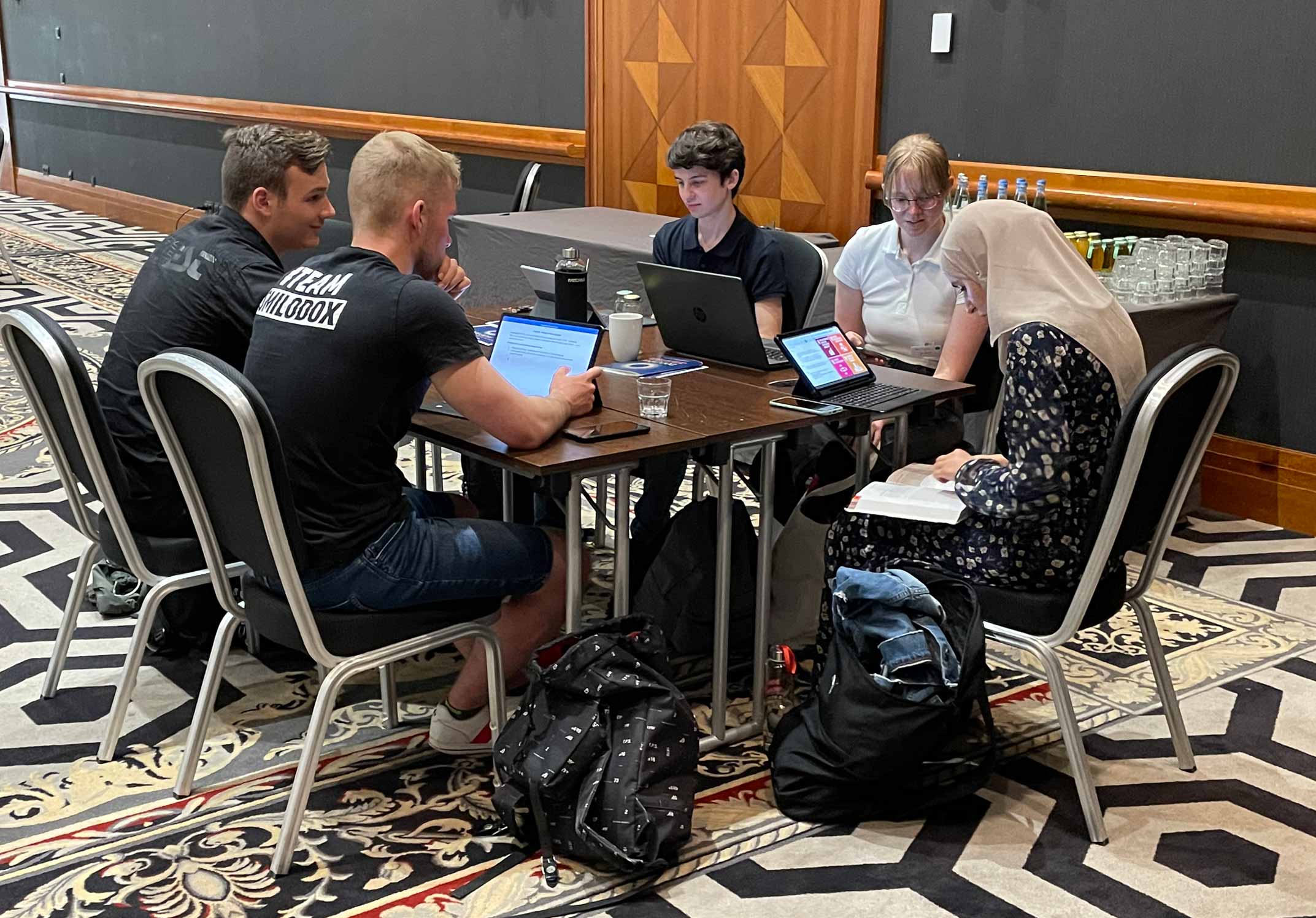
Impressionen vom Vorbereitungstreffen des Schülerprogramms im Juni 2022 in Leipzig.

© Michael Dröscher

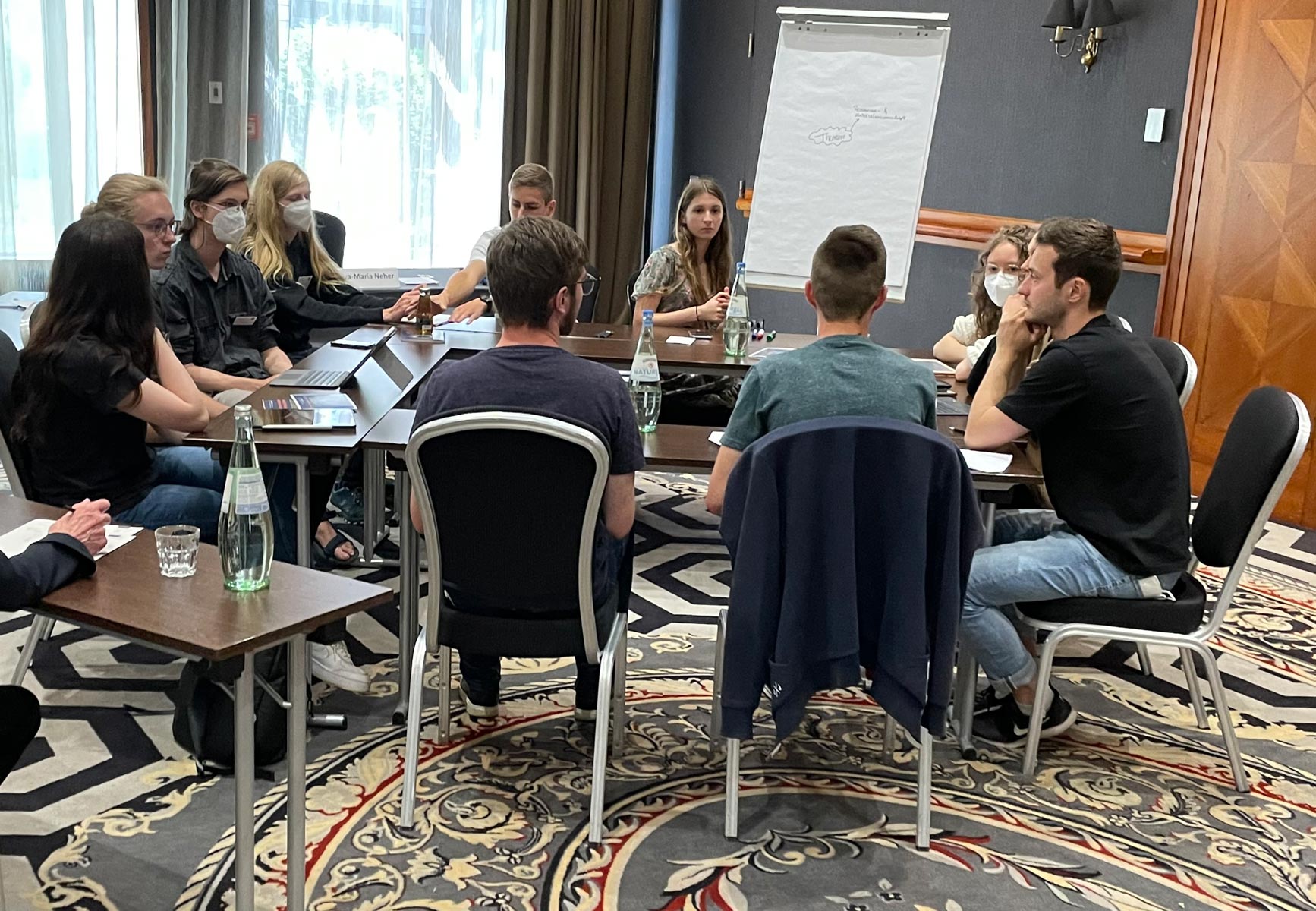
In work groups, students discuss their ideas for presentation at the jubilee assembly.

The first meeting was about defining the most important challenges with a view to the future of humanity. The guiding question was: Which problems are the most pressing and to what extent can the natural sciences contribute to solving them? Discussions took place in a total of six workshops, in which around one hundred students took part. The main topics were chemistry, biology, medicine, physics/geology, mathematics/computer science and technology/engineering. The working groups were supervised by Professor Eva-Maria Neher, Professor Wolfgang Lubitz, Professor Uwe Hartmann, Professor Michael Dröscher, Student Councilor Paul Mühlenhoff and tutors Clara Vogt and Moritz Sest. 

The students from Leipzig and the surrounding area developed three joint questions per working group. In digital networking, they will now continue to work on the joint task until the next face-to-face meeting on September 7. The idea is that each team will agree on a challenging core question to science at the end, which will then be presented at the festive meeting.

Impressionen vom Vorbereitungstreffen des Schülerprogramms im Juni 2022 in Leipzig.

© Michael Dröscher

Preparatory workshop at Leipzig: group of students in action.

Impressionen vom Vorbereitungstreffen des Schülerprogramms im Juni 2022 in Leipzig.

© Michael Dröscher

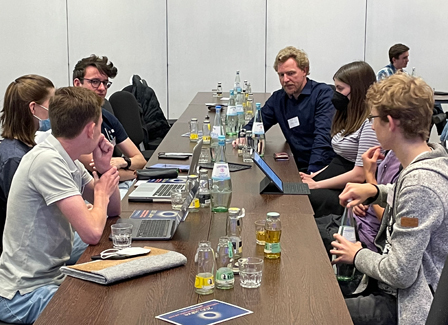
Discussion panel at the June 2022 meeting with Student Program Director Paul Mühlenhoff (back right).

Further information:

Dr. Matthias Röschner: “We are digitizing on a grand scale”

"We are digitizing on a grand scale"

Dr. Matthias Röschner on the online future of the GDNÄ archive, important research questions and highlights of the collection. 

Dr. Röschner, your first year as head of archives at the Deutsches Museum is up – how are you doing in your new position?
Since I had already been working in the archive since 2009, the transition to head of the archive has been fairly smooth. Of course, my main tasks have shifted and increased, but my predecessor Dr. Füßl prepared me wonderfully. So I am looking forward to continuing to shape the future of the archive together with a highly motivated team.  

How can we imagine your job?
It is more varied than some might think. I am involved in all processes in the archive – from acquiring archival materials to organizing their indexing, from conservation measures and digitization to coordinating their use. In addition to research, public relations work is also very close to my heart: I give lectures, offer guided tours and write generally understandable articles in order to familiarize interested people with the archive work and our valuable archival records. I spend a lot of time answering scientific inquiries.  

Can you explain this with an example?
For example, if a researcher from Berlin asks what sources we have on the professionalization of engineering at the end of the 19th century, I use my knowledge of the holdings to research the estate records of Rudolf Diesel, Oskar von Miller, Franz Reuleaux, Walther von Dyck and others, for example, and send her lists of relevant archival records. The researcher is thus well prepared for a successful visit to our reading room in Munich. 

Quite a workload for a full-time position...
...there is still a lot to do. For example, the important committee work, for example within the framework of the Leibniz Association, the Bavarian Archive Day or in the Munich Archive Circle, and cross-sectional tasks such as personnel management and maintaining contacts with universities and institutes of the history of science. For the GDNÄ, I regularly comb through scholarly antiquarian bookshops and auction catalogs and follow up on promising leads in order to be able to add to what is missing. 

With success?
Yes, absolutely. For example, we were able to acquire some original documents from the 19th century and the first half of the 20th century from the private collections of board members. But there are still large gaps, mainly due to the old archive that was confiscated by the Soviets towards the end of the Second World War and has since disappeared.

Museumsinsel Ansicht Herbst © Deutsches Museum

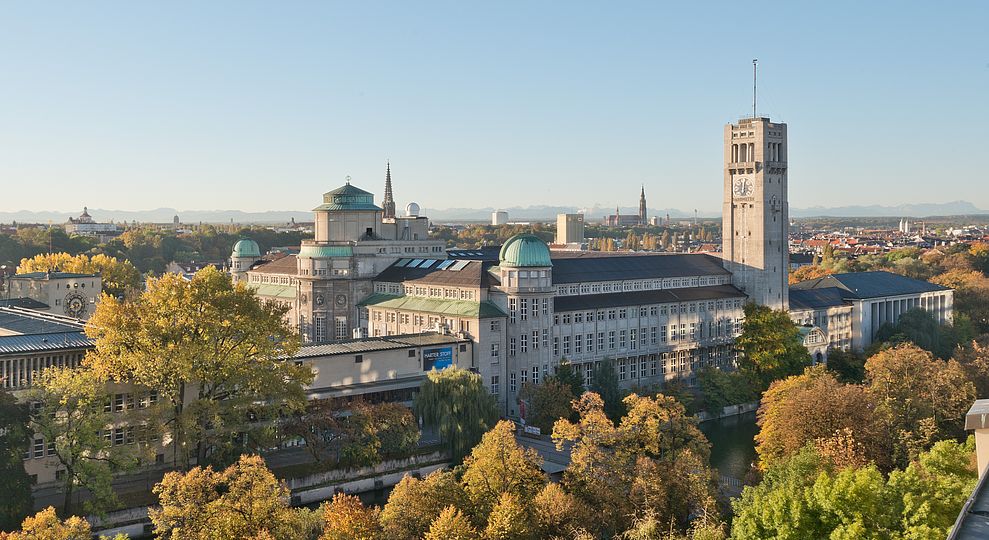
In autumnal light: the exhibition building on Munich's Museum Island. © Deutsches Museum

Your predecessor, Dr. Füßl, repeatedly campaigned for the return of the collection. Will you do the same?
Yes, we will of course continue to keep an eye on it. But I don't think we will reach our goal quickly. The Ukraine war further darkens the prospects.  

What is the importance of the GDNÄ archive for your institution?
The GDNÄ is the oldest interdisciplinary scientific society in Germany and the mother of renowned professional societies in Germany and abroad – its archive is therefore of great national importance. In addition: Unlike other scientific institutions whose archives were completely destroyed during World War II, at least some historical pieces from the early days have been preserved by the GDNÄ. 

What is particularly impressive?
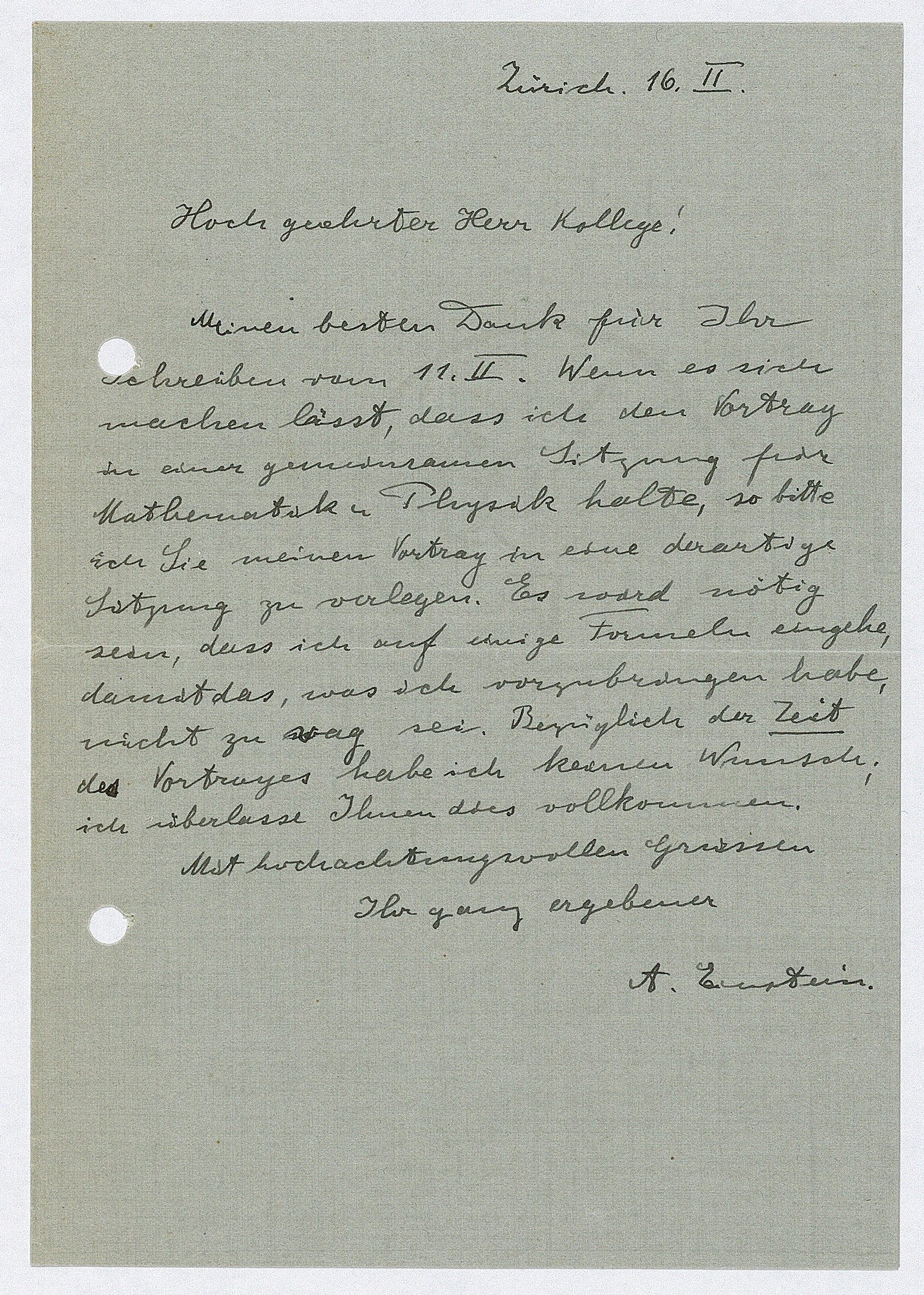
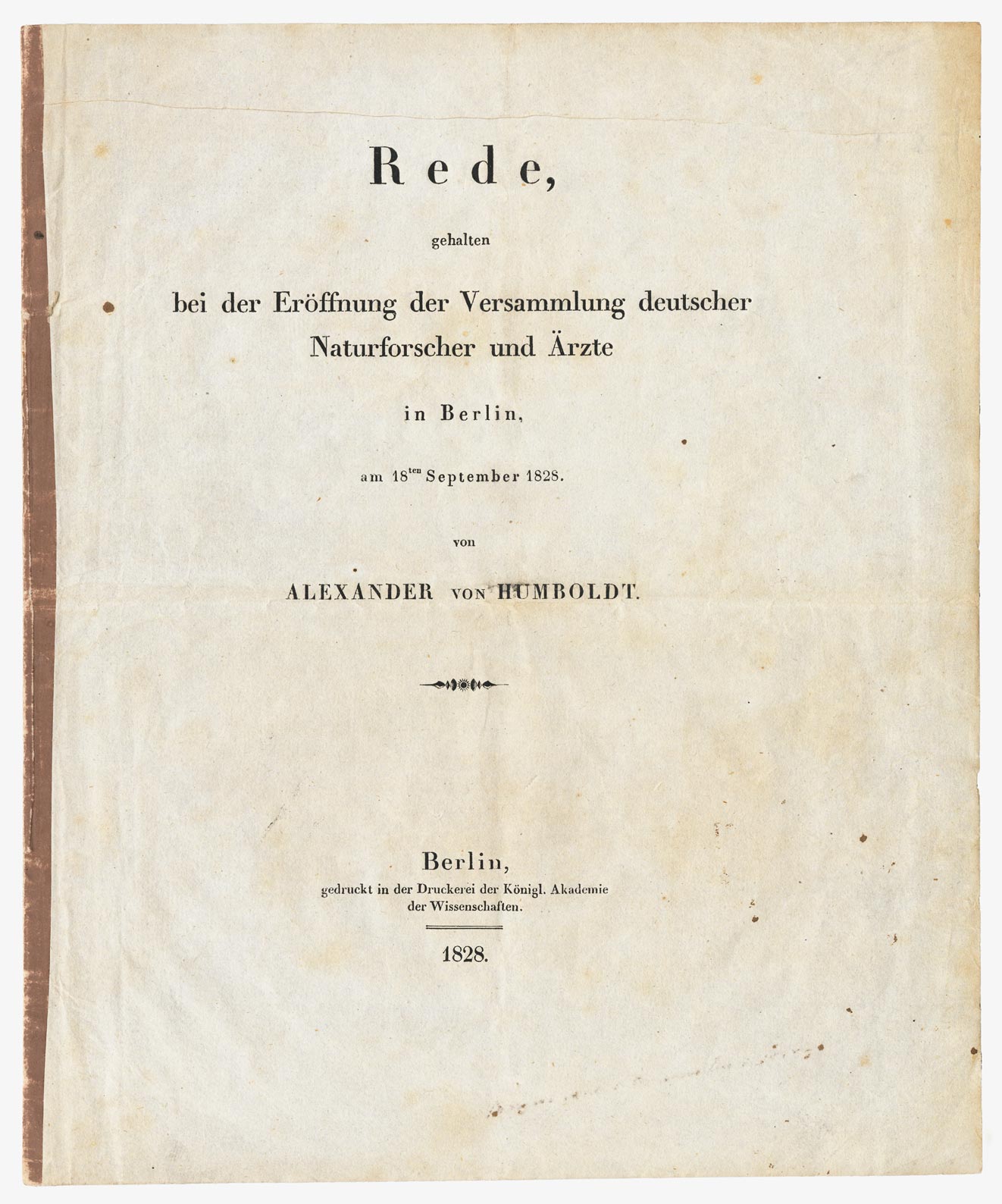
For example, the nine-page print of a speech from 1828 in which Alexander von Humboldt promoted the establishment of sections and thus initiated the first major reform of the GDNÄ. Or the handwritten list of participants from the 1834 meeting in Stuttgart. Albert Einstein's letter from 1913 is also very impressive. In it, the physicist asks to be allowed to give his lecture in a joint session for mathematics and physics, as he is going into "some formulas so that what I have to present is not too vag[e]." 

On the Internet, you can still hardly find anything about the GDNÄ archive in the Deutsches Museum. Do you want to change that?
Yes, we are in the process of digitizing our holdings on a large scale. In the next few years, you will be able to find indexing data for all archival materials on the web, with information on title, scope and chronological classification. This will enable worldwide research on topics, persons, institutions and companies – and links to other estates and holdings that would be inconceivable in the analog world. We will also offer digital copies of the archival records online, provided there are no copyright objections. This applies, for example, to the assembly reports from 1822 to 1900, with which I would like to do a separate project of digitization followed by full text recognition. 

That sounds exciting, but also like a lot of work. How big is your team?
There are eleven archivists working with me, who have plenty to do even without additional projects. However, we are actively supported by our in-house "Deutsches Museum Digital" initiative. It is in the process of making the museum's scientific holdings and object collections publicly available via a central online portal. By 2025 at the latest, on the centenary of the opening of Munich's Museum Island, the goal is to be able to search all available data and digitized material on the Internet.

Lesesaal des Archivs © Deutsches Museum

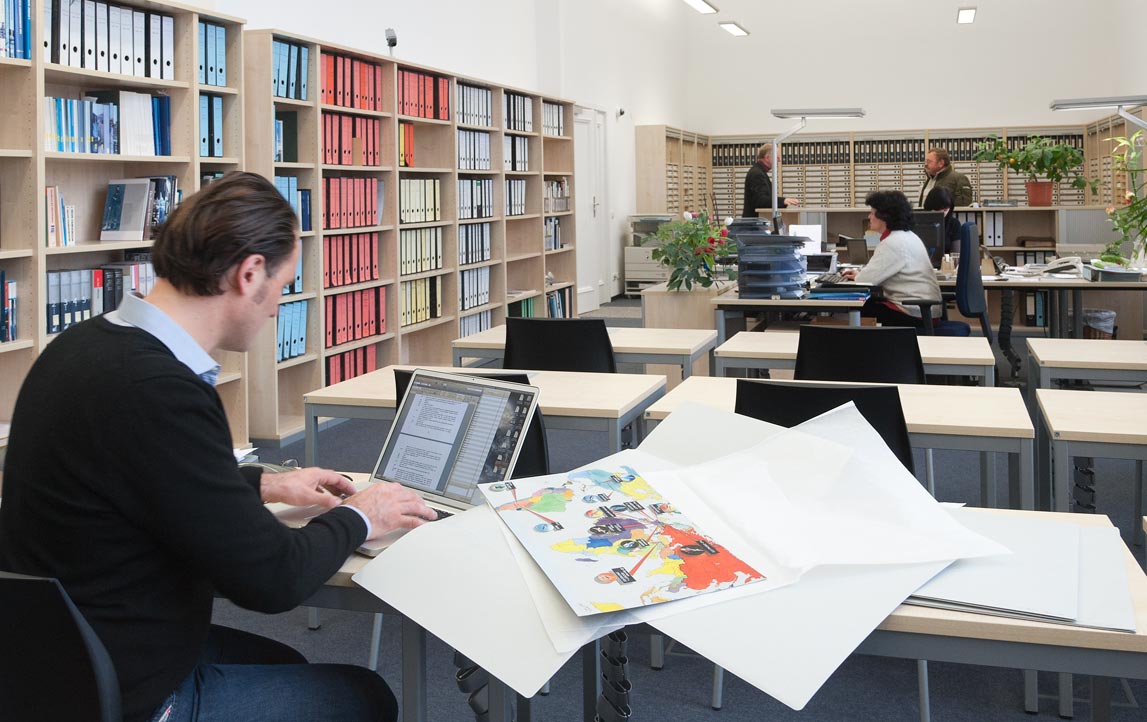
Space for concentrated work: the reading room of the archive. © DMA CD 65461a

Do you still find time for your own research?
Less than before, but I am currently very interested in provenance research. That is, how and under what circumstances did objects and archival materials come to the Deutsches Museum? There is a cross-departmental working group in the museum that is investigating these research questions and which I coordinate together with a colleague from the area of object collections. The archive plays a key role in this, because this is where the museum's historical administrative files are kept. A joint publication is also planned, in which I would like to contribute with the provenance of archive holdings.

What open research questions do you see when you think about the recent history of the GDNÄ?
There are quite a few, for example: How did the GDNÄ manage to gain a foothold in the Federal Republic after the war? What personal and thematic continuities are there between the Nazi and post-war periods? The topic of women and the GDNÄ has hardly been dealt with. I am convinced that the documents available to us would yield a great deal for such research.

Your institute will have an exhibition booth at the anniversary meeting in Leipzig. What can visitors expect?
We will be showing some of the highlights of the GDNÄ archive in a poster exhibition, including the medal for the centenary of the GDNÄ with a portrait of Lorenz Oken on the front and a city view of Leipzig on the back, and also the commemorative publication for the Leipzig meeting in 1922. Also on display will be artfully designed Art Nouveau publications from the early 20th century and the Einstein letter mentioned above. We are happy to be available for discussions and look forward to receiving tips on interesting new documents for the collection. You can find us in the Market of Sciences in the basement of the Leipzig Congress Hall, where several scientific institutes from Leipzig will also have booths.

What you tell us about your work does not fit at all with the ideas of dusty files and sleeve protectors that many lay people associate with your profession. What encouraged you as a young person to go in this direction?
Even during my history studies, I was fascinated by the – literally – unique archive sources. There is something very special about working with letters, notebooks, reports, and drawings that exist only once and that often only one person before me, the scribe, held in his or her hands. I found out in several internships that the profession is very future-oriented and involves a lot of responsibility. For only those records that the archivist evaluates as "worthy of archiving" and then actually takes into the archive will be available to future generations. As an archivist, I can not only discover the fascination of the original for myself, but also pass it on to others. In addition to my task of acquiring and preserving historical sources, I see myself above all as a mediator of information and a builder of bridges between history and the present.

Matthias Röschner © Deutsches Museum

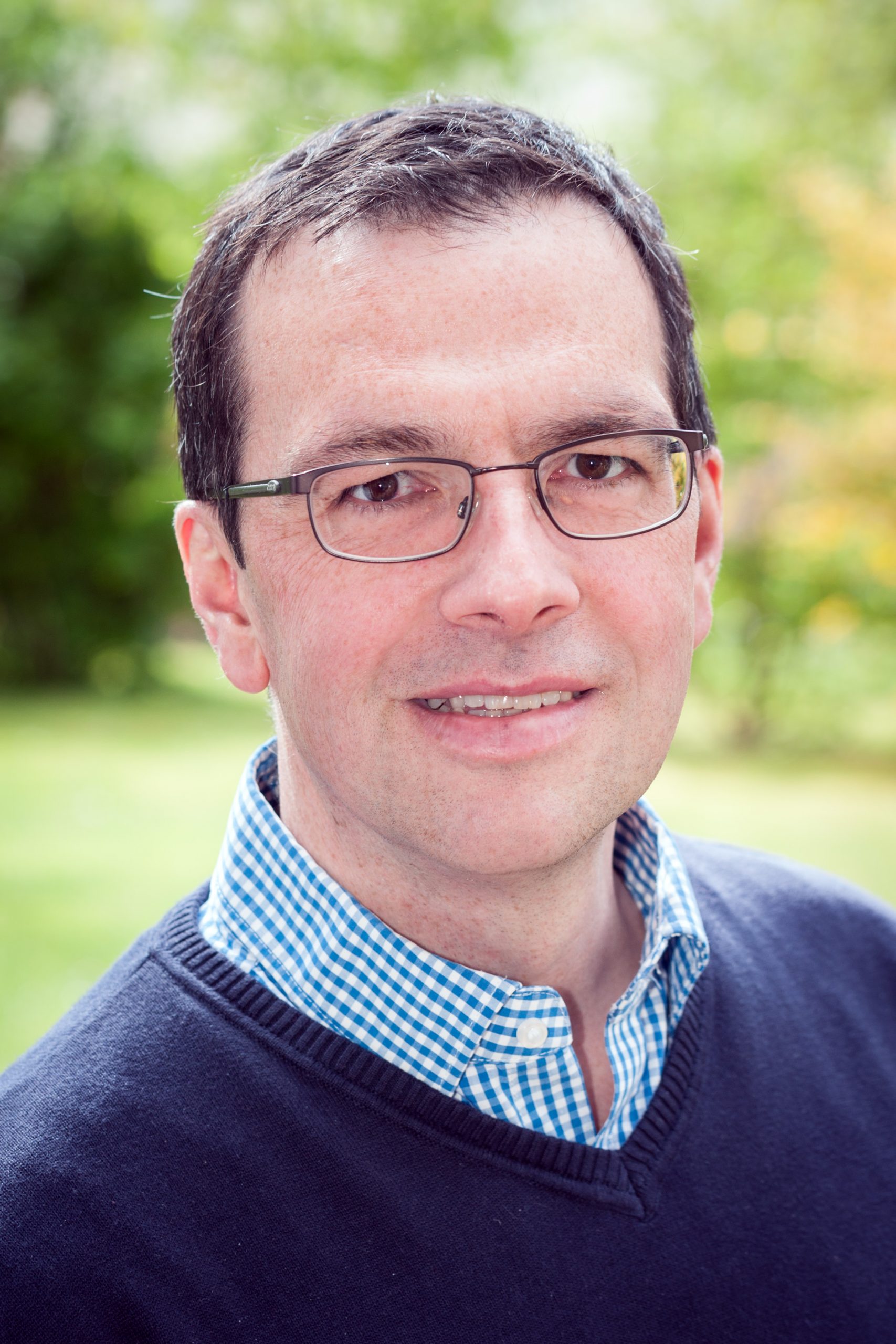
Matthias Röschner. © Private

About the person

Dr. Matthias Röschner is head of the Archive Department of the Deutsches Museum in Munich.  Previously, he was deputy to Dr. Wilhelm Füßl, who retired in 2021. Röschner comes from southern Hesse, studied Latin and history, and received his doctorate in 2001 with a study on hospital history. He then completed an archival clerkship and worked at the Ludwigsburg State Archives from 2004 to 2009. In his research, Matthias Röschner deals, for example, with the history of the Deutsches Museum, the provenance of archival holdings and colonial traces in the archives of the Leibniz Association. He is the responsible editor of "ARCHIV-info", the archive journal of the Deutsches Museum.

Archivplakat © Deutsches Museum

In preparation for the 85th GDNÄ meeting in Vienna in 1913: handwritten letter from Albert Einstein, who was invited to speak. © DMA FA 016 vorl. Nr. 1042

Further information:

Archivplakat © Deutsches Museum

Title page of Alexander v. Humboldt's famous speech to the Assembly of German Naturalists and Physicians in Berlin in 1828. © DMA CD 86986

Archivplakat © Deutsches Museum

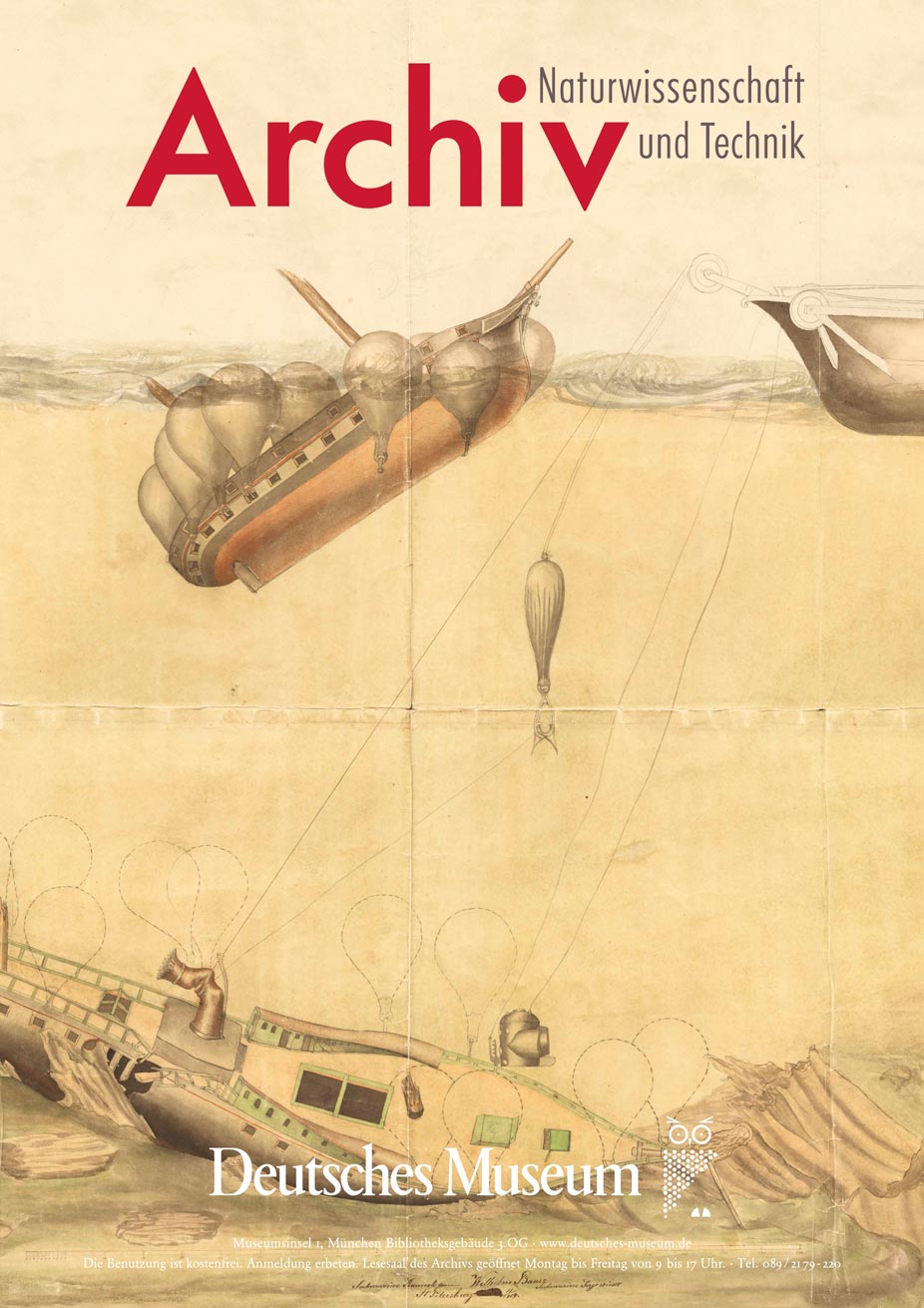
Poster of the archive in the Deutsches Museum @ DMA CD 71578

Nobel Laureates’ Call for Peace

Nobel Laureates' Call for Peace

Laureates from all over the world, including GDNÄ members, sign declaration

In the face of the war in Ukraine emanating from Russian soil, almost 140 Nobel Laureates from a wide range of disciplines are calling for peace. They have signed a declaration initiated by the Max Planck Society and supported by the Lindau Nobel Laureate Meetings. The signatories also include GDNÄ members such as Christiane Nüsslein-Volhard and Klaus von Klitzing.

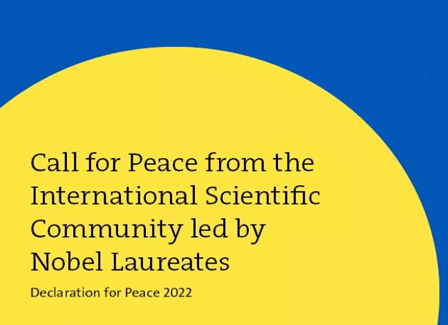
The declaration follows on from the 1955 Mainau Declaration against the use of nuclear weapons. It was co-initiated by Otto Hahn, first President of the Max Planck Society, at the 5th Lindau Nobel Laureate Meeting. The current declaration states: "The discovery of nuclear fission created the basis for the construction of atomic weapons of destruction. Their current volume has the potential to make the earth uninhabitable for humans and to wipe out human civilisation. Therefore, such weapons must never be used!"

Saarbrücken 2018 © Robertus Koppies

© Max-Planck-Gesellschaft

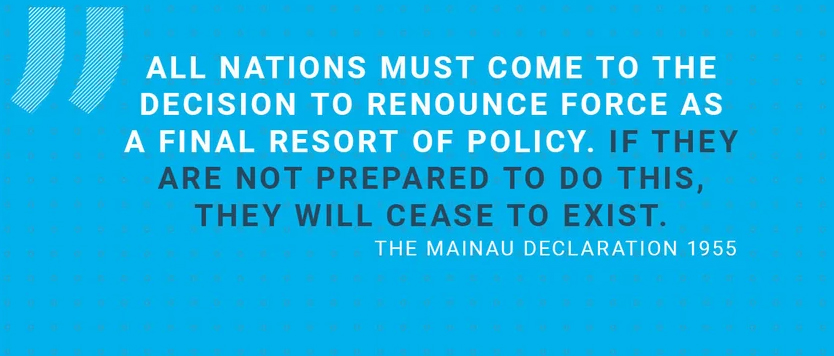
The final sentence of the Mainau Declaration.

The 138 signatories call on governments and business leaders to use scientific knowledge and technologies responsibly and with awareness of their long-term consequences. Russian President Vladimir Putin is called upon to respect the agreements under international law, to recall his armed forces, to start negotiations and to establish peace. 

The Lindau Nobel Laureate Meetings and the Max Planck Society are convinced that science must continue the dialogue even if politics remains silent – or fights. With this comes the hope that this initiative, along with countless others, will soon lead to a return to peaceful exchange between nations.

Saarbrücken 2018 © Robertus Koppies

@ Lindau Nobel Laureate Meetings

Further information: