“The Student Program and jGDNÄ are becoming increasingly interconnected”
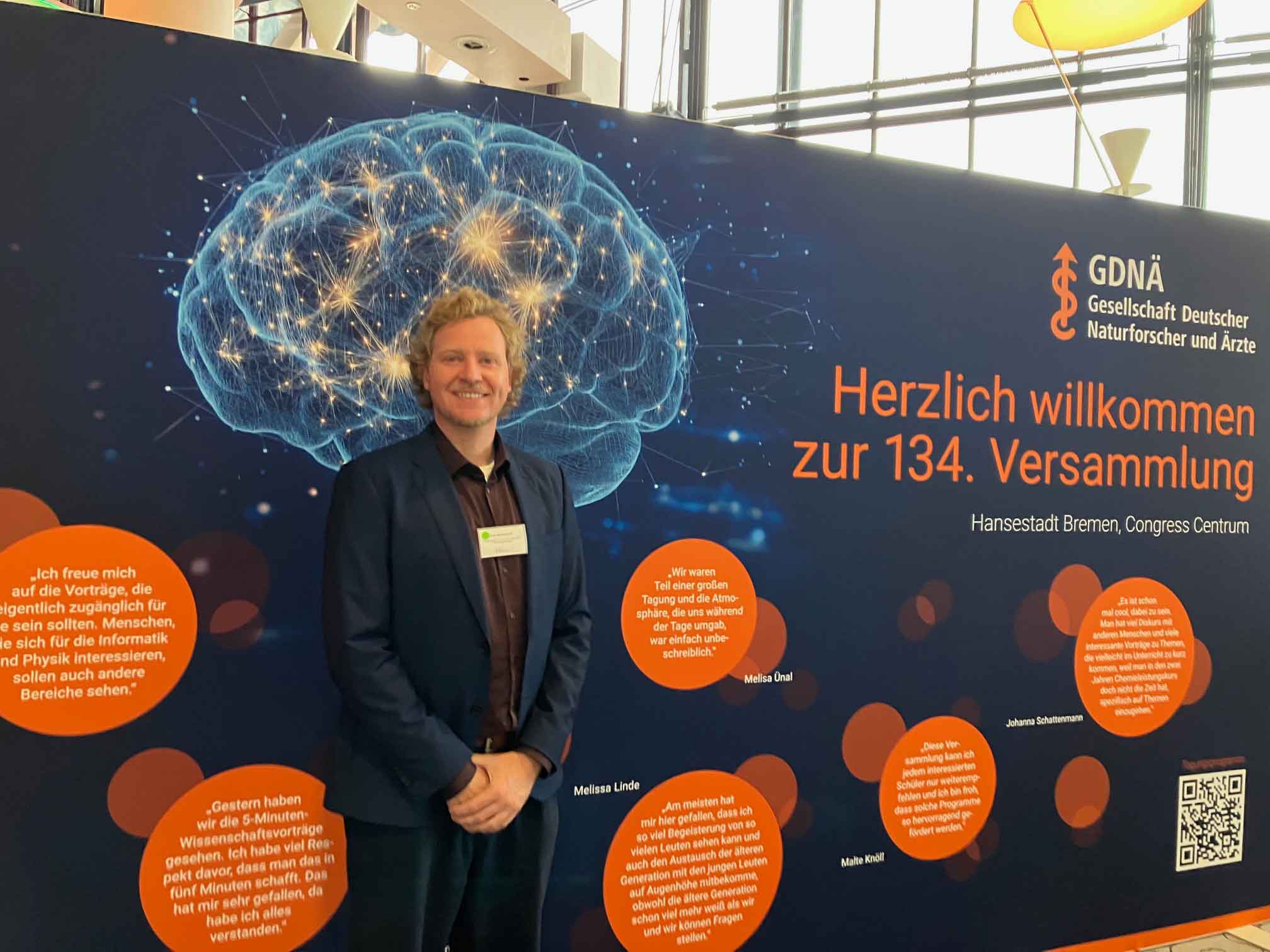
Paul Mühlenhoff has headed the GDNÄ’s Student Program since 2012. His full-time position is as a senior teacher of biology and German at a high school in Bielefeld. This year, as in previous years, his school granted him a few days off to prepare for and carry out the Student Program.
Mr. Mühlenhoff, how is the 2026 Student Program going?
Very well so far. One hundred students are participatin – most of them are from the Bremen, Lower Saxony, and North Rhine-Westphalia regions. This year, for the first time, the jGDNÄ organized the preparatory workshops. There were five meetings during which the students prepared for the presentations and subsequent panel discussions. This led to excellent results, as we saw this morning in the “Computer Science / Mathematics” session: The students were able to challenge the scientists with well-reasoned questions and engage with them. The young people have been very visible at the conference from the very beginning. Last night, the “Science in 5 Minutes” science slam was once again very well attended; today through Sunday, the young participants are engaging in panel discussions with researchers. What pleases me particularly is the strong connection between the student program and the jGDNÄ.
© GDNÄ
Paul Mühlenhoff has headed the GDNÄ’s Student Program since 2012.
The student program has been part of the GDNÄ for a long time. The jGDNÄ, for students and early-career researchers, was founded just two years ago. How do the two groups fit together?
The transition between them is often seamless. Most members of the jGDNÄ have previously participated in one of the student programs. We organizers try to ensure a smooth transition from the younger group to the older one. The goal is for young people to remain with the GDNÄ in the long term and to build lasting networks with one another. The jGDNÄ is taking on more and more responsibility within the GDNÄ, including for the student program. The fact that forensic biologist Mark Benecke gave a presentation at a preparatory workshop is thanks to the jGDNÄ—the students were thrilled.
So, is everything going well?
We definitely want to keep the student program going. But even very good things can get even better. Next time, we want to spread out the preparation over fewer dates and further optimize our collaboration with mentors.
The next GDNÄ meeting will take place in Essen in 2028. What’s planned for the student program?
We’ll invite schools in Essen and within a 200-kilometer radius to participate. We also plan to once again invite talented students from “Jugend forscht” and other foundations. The jGDNÄ will once again play a key role in this. If at all possible, we want to offer student labs and field trips to research institutes again in 2028.
© GDNÄ
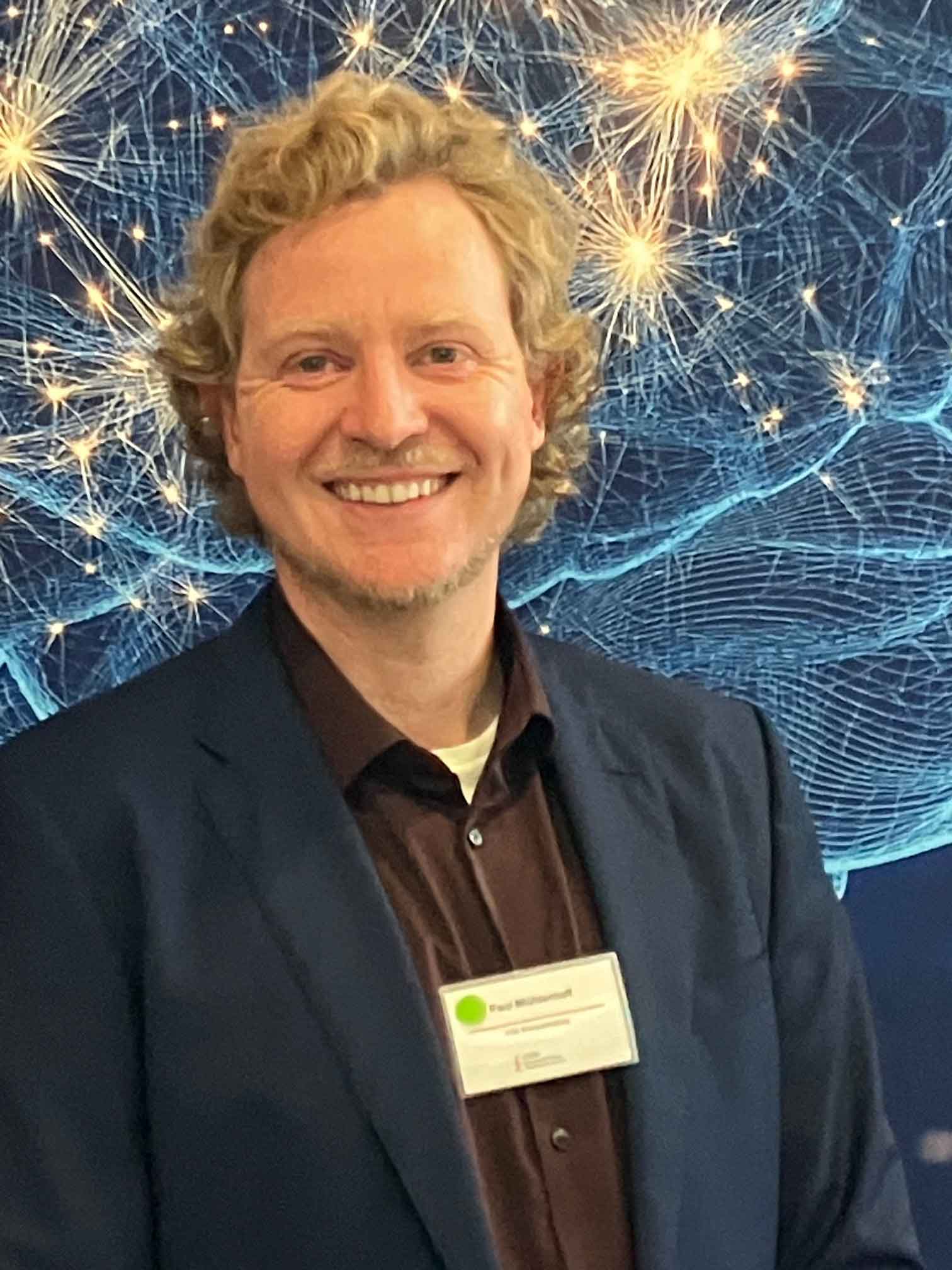
Paul Mühlenhoff: His full-time position is as a senior teacher of biology and German at a high school in Bielefeld.
You may also be interested in: