• DE
  • EN
  • Thomas Mettenleiter: “Nothing could scare me after that”

    “Nothing could scare me after that”

    BSE, bird flu, coronavirus: how the renowned virologist Thomas Mettenleiter has contributed to overcoming major epidemics, what has kept him on the Baltic Sea island of Riems for 27 years and what his audience can expect at the GDNÄ Assembly 2024.

    Professor Mettenleiter, as President of the Friedrich Loeffler Institute, Federal Research Institute for Animal Health, for many years, you had to deal with world-shattering epidemics, just think of the BSE crisis, bird flu and the coronavirus pandemic. Which was the biggest challenge?
    For me personally, it was definitely the BSE crisis. After that, nothing could scare me. I was still relatively new in office when the first cattle born and raised in Germany tested positive at the end of November 2000. The excitement was huge. At the time, we knew very little about the prions that caused the disease, but we were expected to provide competent information as soon as possible. Some time earlier, an informal expert commission had been set up under my chairmanship. In April 2000, we recommended that the Federal Government should prepare for the first case of indigenous BSE. Unfortunately, this did not happen. 

    Nevertheless, the BSE crisis was ended quickly. How did this succeed?
    The decisive factors were the ban imposed at EU level on the feeding of animal meal, for example, the removal of risk material from the food chain and the extensive testing of slaughtered cattle depending on their age. The number of cases then fell rapidly. As far as we know, only two animals born in March and May 2001 were still infected in Germany. It was an extremely turbulent time, during which two federal ministers, Andrea Fischer and Karl-Heinz Funke, resigned. During these years, I learnt how important communication between science, politics and the media is. Fortunately, the measures proposed by the scientific community were quickly implemented and proved successful. In this respect, the BSE crisis is a successful example of science-based disease control

    Instituts für Fertigungstechnologie an der Universität Erlangen-Nürnberg. © FAU

    © Friedrich-Loeffler-Institut

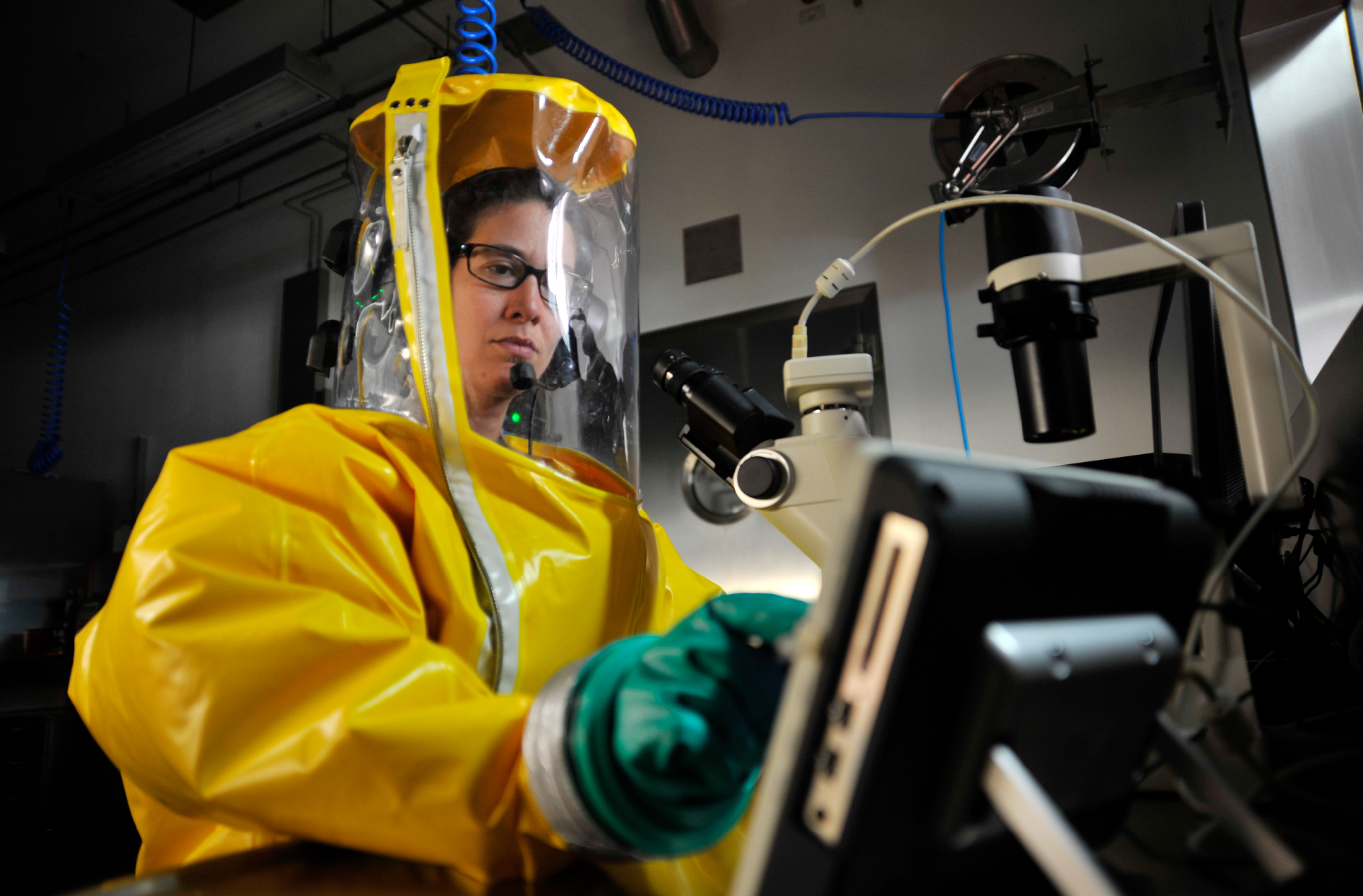
    A scientist works in a full protective suit in the laboratory of the highest biosafety level 4 zoonoses. This is where research is conducted into pathogens such as Ebola and Nipah viruses. The suit is connected to the air supply via a valve, which constantly supplies air. This also inflates the suit so that even if there was a small hole, nothing would get inside via the escaping air flow. The scientist checks cell cultures on a screen.

    How much was your expertise in demand during the coronavirus pandemic?
    During the three COVID-19 years, other institutes were at the centre of political and media attention. However, we at the FLI were asked essential questions right at the beginning of the pandemic: Are farm animals in Germany susceptible to SARS-CoV-2? Does this jeopardise our food supply and do they represent a potential reservoir? Thanks to our modern research infrastructure on the island of Riems with high-security isolation stables, we were able to immediately test whether cattle, pigs and chickens, for example, are susceptible to the pathogen. We also investigated the interaction of the pathogen with other animals such as mice, golden hamsters, fruit bats, ferrets and raccoon dogs in order to find and characterise possible reservoirs or models for human infection.

    What did you find out?
    Cattle, pigs and chickens were not or only very slightly infectious and did not pass on the pathogen. In this respect, there was neither a risk in terms of food supply nor with regard to the creation of a new reservoir. Fruit bats, ferrets and raccoon dogs, on the other hand, proved to be susceptible to the pathogen, but did not fall ill and were still able to pass on the pathogen efficiently. This fits in with what we know about reservoir animals and bridge hosts. Hamsters and special genetically modified mice became severely ill. Ferrets, in particular, reproduced the largely mild human infection affecting only the upper respiratory tract, while golden hamsters and these mice showed the clinical picture of severe COVID-19.

    There is currently much discussion about the need to come to terms with the coronavirus crisis. What do you think?
    We should definitely analyse what happened objectively in order to learn from it for the future. Many decisions had to be made quickly and under uncertain conditions, especially during the hot phase – this should always be taken into account. A uniform policy for the whole country is important for the future; we should avoid a federal patchwork quilt in situations like this. However, the coronavirus years have also shown how immensely important basic research and modern research infrastructures are. We have them to thank for the highly effective mRNA vaccines, which had been researched for a long time, as well as numerous findings that helped us to survive the crisis. In order for this to continue in the future, sufficient funding is needed – not only for the establishment, but also for the maintenance of research facilities, personnel and training.

    It is often said that the next pandemic is sure to come. What are the new threats?
    We are currently in an inter-pandemic phase, that much is clear. But no one can say exactly where the dangers are coming from. What we do know is that three quarters of new human infections come from the animal kingdom and that pathogens such as the coronavirus continue to jump back and forth between animals and humans. We must never lose sight of influenza viruses: they are highly variable and adapt quickly to new circumstances. Fortunately, there is a global monitoring system for influenza viruses under the aegis of the World Health Organisation (WHO). We also need something similar to monitor animal populations in order to detect pandemic risks quickly. An international agreement on pandemic prevention, preparedness and response could help here. This is currently being negotiated under the leadership of the WHO and I am still cautiously optimistic that the member states will be able to agree on this. This would also be very much in line with the One Health concept, which is becoming increasingly popular and which sees humans as part of the animal kingdom in a shared environment.

    The type of animal husbandry, which is also the focus of the Friedrich Loeffler Institute, plays an important role here. What trends do you see in this area?
    The view is changing and animal welfare is becoming more important. In livestock farming, quality is becoming more important than quantity. To what extent and over what period of time this happens is also a question of funding and ultimately a political decision. This also applies to another issue: the silent pandemic of antibiotic resistance. It is favoured by the excessive use of antibiotics in all areas. In Germany, their use to promote growth in animal husbandry is banned, but this practice is still common in many countries. However, it is not just about animals; the use of antibiotics in humans must also be more targeted and more restrained.

    Institut für Quantenoptik und Quanteninformation (IQOQI). © IQOQI/M.R.Knabl

    © Friedrich-Loeffler-Institut

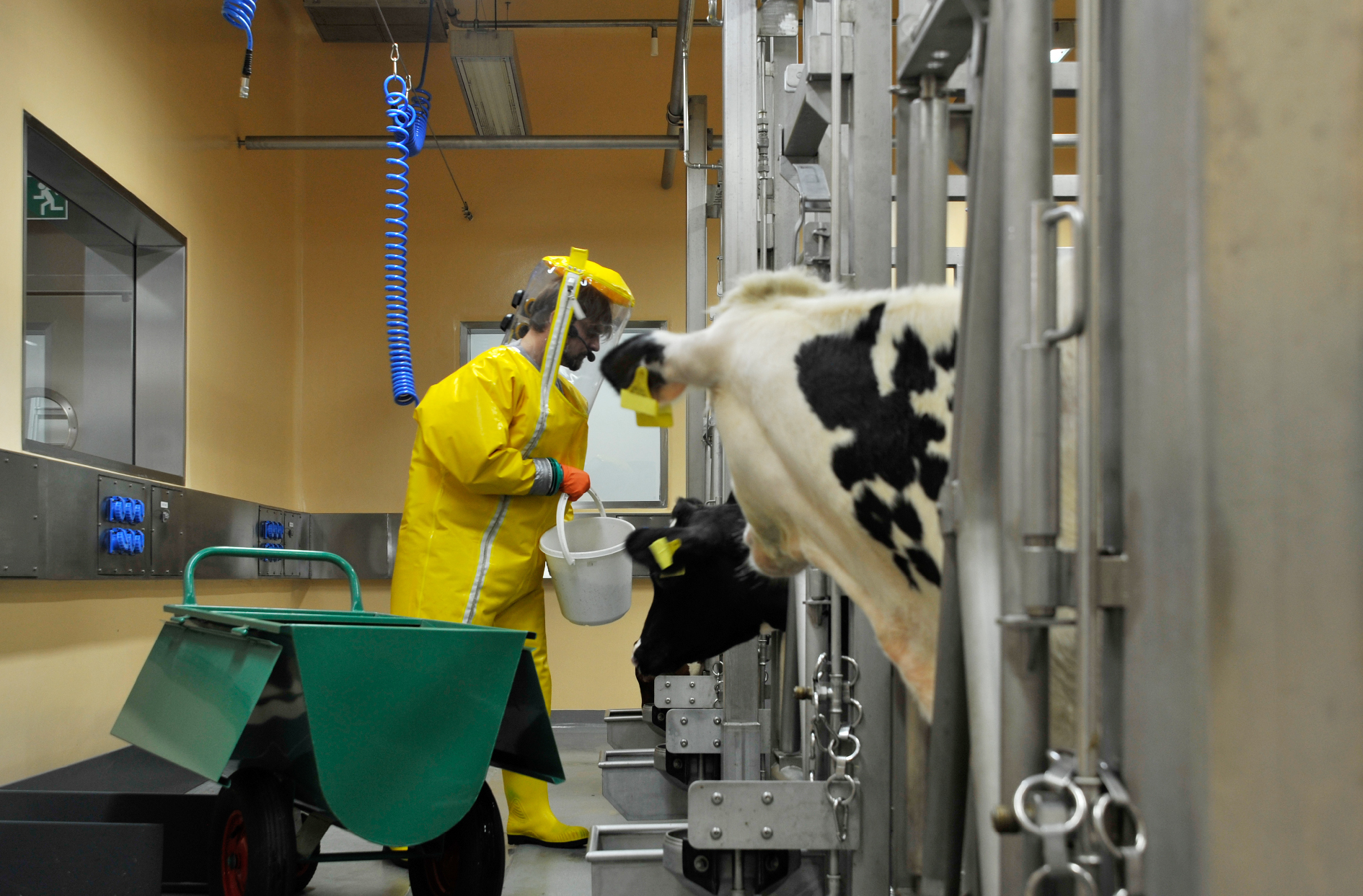
    The Friedrich Loeffler Institute (FLI) has two animal barn units with biosafety level 4 zoonoses, where full protective suits are also mandatory. In Europe, only the FLI currently has such animal houses; there are a handful worldwide, for example in Canada and Australia.


    You went to East Germany as a West German professor during the reunification period – and stayed there. What experiences did you have?
    Initially, I was met with an interested distance, but also with curiosity and high expectations. The distance had to do with the fact that, unlike the institute directors before me, I am not a veterinarian, but a biologist. In addition, I was still quite young when I came to the island of Riems with my Tübingen working group in 1994. In the wake of reunification, the institutes had shrunk from 850 to 162 employees. The infrastructure was dilapidated. In my perhaps somewhat youthful recklessness, this did not deter me, but rather challenged me. What helped me a lot were the many motivated colleagues at all levels of the institute, who had a lot of expertise and experience. It has been a long journey, but today the Institute plays in the Champions League of the field, both academically and in terms of infrastructure. Its development is certainly one of the East German success stories, as described by my Greifswald colleagues Michael Hecker and Bärbel Friedrich in their book and in the interview on this website. For me, the Institute is a life’s work and I am happy to have been given the privilege of continuing the tradition of the co-discoverer of the virus, Friedrich Loeffler.

    Your major research topic, animal viruses, has occupied you for a long time. How did you come across the topic?
    The trigger was Hoimar v. Ditfurth’s history of evolution “In the beginning was hydrogen”. My parents gave me the book as a present in 1972 and I read it with great enthusiasm. I was particularly fascinated by an illustration depicting bacteriophages, i.e. viruses that infect bacteria. That was the seed for my career – and I am still an enthusiastic virologist.

    That doesn’t sound like retirement, which you have officially been in for almost a year.
    That’s right, I’m still very busy, even if I no longer spend up to 14 hours a week at the institute. But all in all, I have almost a full-time job again and sometimes I wonder how I used to do it on the side, so to speak. A new experience for me is giving talks to students about virology and One Health, for example last year in Göttingen and in the next few weeks in Greifswald and in Sigmaringen in Upper Swabia, my old home. I chair a working group on One Health at the Hamburg Academy of Sciences and Humanities and I chair the veterinary medicine section of the German National Academy of Sciences Leopoldina. As a scientific advisor, I support several UN organisations and the World Organisation for Animal Health in the One Health High-Level Expert Panel. I also continue to teach at universities and give lectures on my core topics.

    At the GDNÄ Assembly 2024 in Potsdam, you will be giving a lecture on climate change and infectious diseases. Can you give us a few details?
    I will be presenting the One Health concept in more detail, including its history, because it is by no means brand new. It will also be about pathogens, especially viruses, which are spreading as a result of climate change. We will be talking about so-called vectors, i.e. carriers of infections such as mosquitoes and ticks, which are influenced by climatic changes. The whole development has an uncanny dynamic and I try to visualise this.

    Marion Merklein © FAU

    © Friedrich-Loeffler-Institut

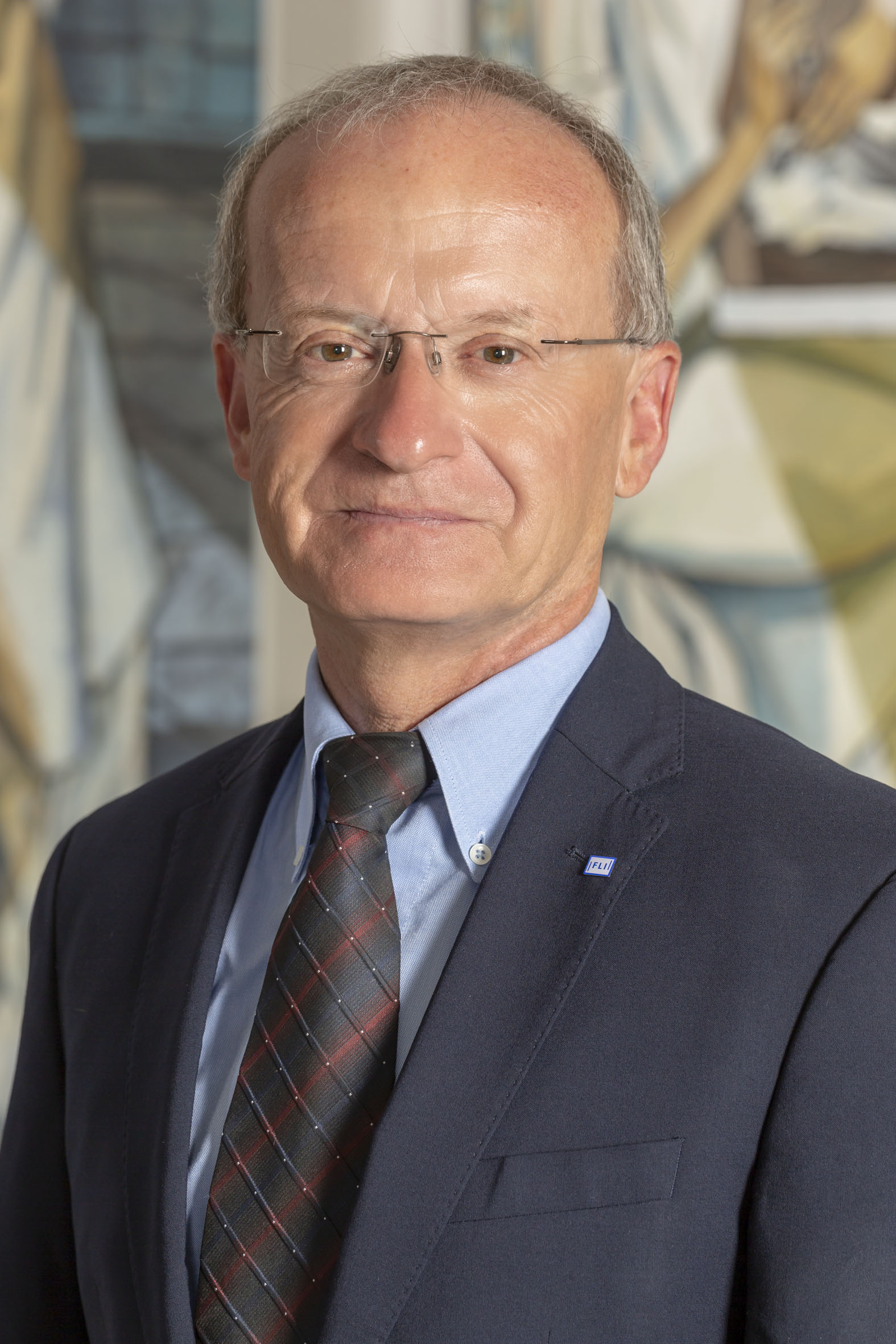
    Prof. Dr Dr h.c. mult. Thomas Mettenleiter was President of the Friedrich Loeffler Institute for Animal Health until 2023.

    About the person

    Thomas Christoph Mettenleiter is a virologist and molecular biologist. He studied biology in Tübingen from 1977 to 1982 and wrote his doctoral thesis on herpes viruses in pigs. After a research stay in Nashville, USA, he habilitated in virology at the University of Tübingen. After reunification, he went to the Friedrich Loeffler Institute, Federal Research Institute for Animal Health (FLI) on the island of Riems. There he headed the Institute of Molecular Virology and Cell Biology from 1994 to 2019. In 1996, he took over the management of the entire FLI. In 1997, he was appointed adjunct professor at the University of Greifswald and in 2019 honorary professor at the University of Rostock. After 27 years as President, he retired in June 2023.

    Mettenleiter’s field of research is viral infections in livestock. His work contributed significantly to the first development of genetically modified live vaccines and to the effective control and eradication of a highly contagious viral disease, Aujeszky’s disease, in pigs.

    Thomas C. Mettenleiter has been honoured many times for his achievements. He is a member of the German National Academy of Sciences Leopoldina, the Academy of Sciences in Hamburg, the Polish Academy of Sciences and the Royal Belgian Academy of Medicine. For his work in the field of animal disease research, he was awarded the Gold Medal of the World Organisation for Animal Health WOAH in May 2023 and the Order of Merit of the Federal Republic of Germany in January 2024.

    Marion Merklein © FAU

    © Friedrich-Loeffler-Institut

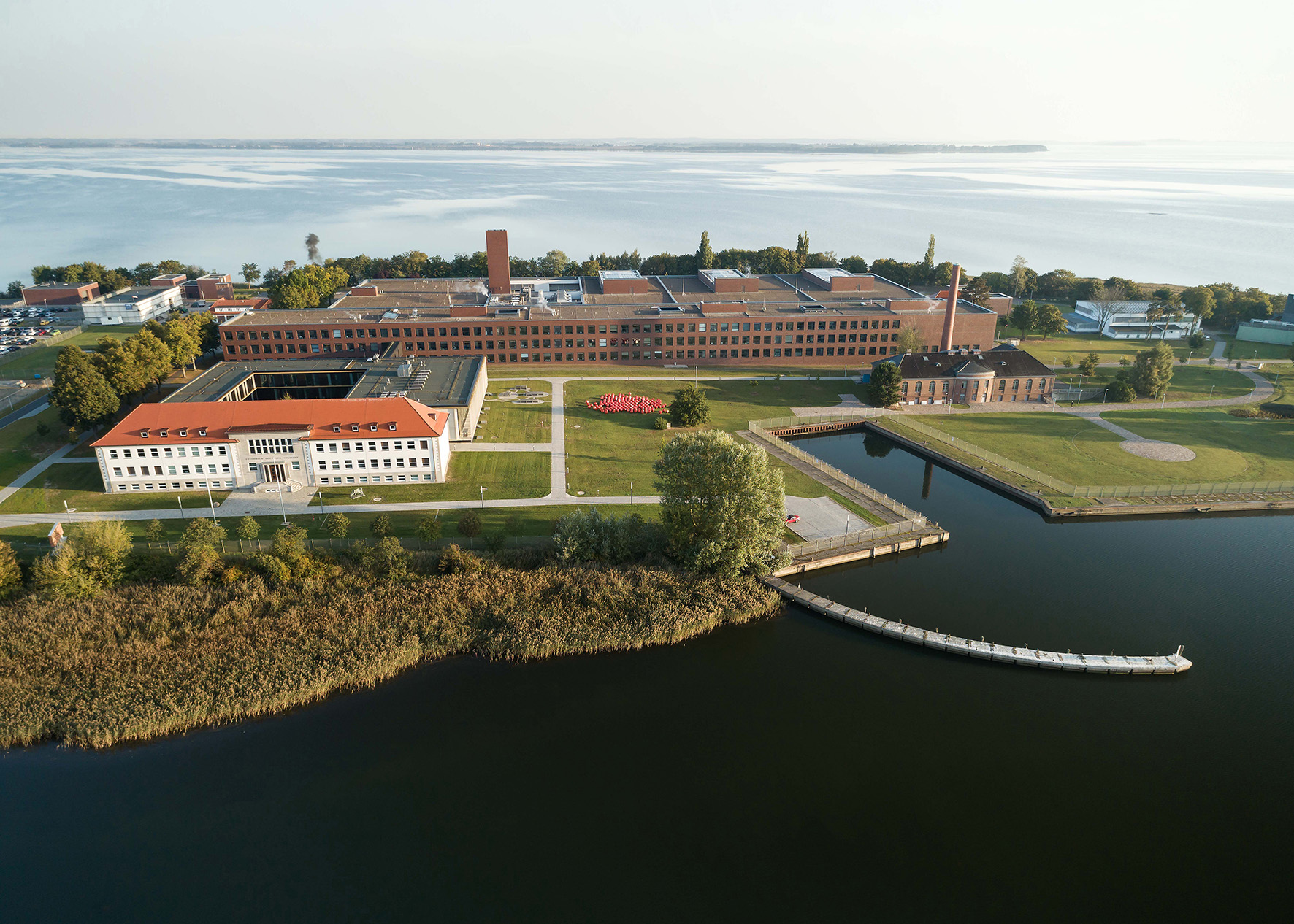
    The site of the Friedrich Loeffler Institute on the Baltic Sea island of Riems. In addition to the institute, there is also a small residential area on the island.

    About the FLI

    The Friedrich Loeffler Institute, Federal Research Institute for Animal Health (FLI), is an independent higher federal authority within the portfolio of the Federal Ministry of Food and Agriculture. In addition to the headquarters on the island of Riems in the Greifswald Bodden, there are four other locations in Braunschweig, Celle, Jena and Mariensee/Mecklenhorst. A total of twelve specialised institutes with around 800 employees are dedicated to both basic and practice-oriented topics.

    Their work centres on the health and welfare of farm animals and the protection of humans from zoonoses, i.e. infections that can be transmitted between animals and humans. To this end, the FLI develops methods for better and faster diagnosis as well as the basis for modern prevention and control strategies. To improve the welfare of farm animals and in the interest of high-quality food of animal origin, animal welfare-orientated husbandry systems are designed and tested at the FLI. Important goals are the preservation of genetic diversity in farm animals and the efficient utilisation of feedstuffs.

    Further information

    Michael Hecker and Bärbel Friedrich: “It’s a German-German success story”

    “It’s a German-German success story”

    He researched for a long time in the GDR, she in the FRG: In their recently published book, microbiologists Michael Hecker and Bärbel Friedrich refute the theory of the colonisation of science in East Germany by the West.

    It was 35 years ago, but many people still remember 9 November 1989. How did you, Professor Friedrich and Professor Hecker, experience the event?
    Friedrich: I was in Berlin and watched the news on television. The next day, I took part in a rally with my working group in front of Schöneberg Town Hall. It was said that what belongs together is now growing together – the atmosphere was moving. We had the feeling that we were right at the centre of history.
    Hecker: I came from Bayreuth, sat on the train to Greifswald and knew nothing about it. It wasn’t until I got home that my wife told me what had happened in Berlin. 

    You were in West Germany on the day the Wall came down. How did that happen?
    Hecker: It really was a strange coincidence. In almost twenty years as a researcher in the GDR, I was only allowed to travel to the West twice to give lectures and meet colleagues. I wasn’t in the party and I wasn’t a travelling cadre. The first time was in Hamburg in the summer of 1989. The second time, colleagues invited me to the University of Bayreuth at the beginning of November. I would never have expected that the Wall would fall just then. 

    How do you remember the days after 9 November?
    Hecker: There was a great deal of excitement and a spirit of optimism in my institute, the situation was heated. Nobody knew what was coming.
    Friedrich: I’ll never forget the Trabi parade on the Kudamm and a cycle tour across the Glienicke Bridge to Potsdam. We thought the Cold War was over and the mood was euphoric.

    Instituts für Fertigungstechnologie an der Universität Erlangen-Nürnberg. © FAU

    @ Peter Binder

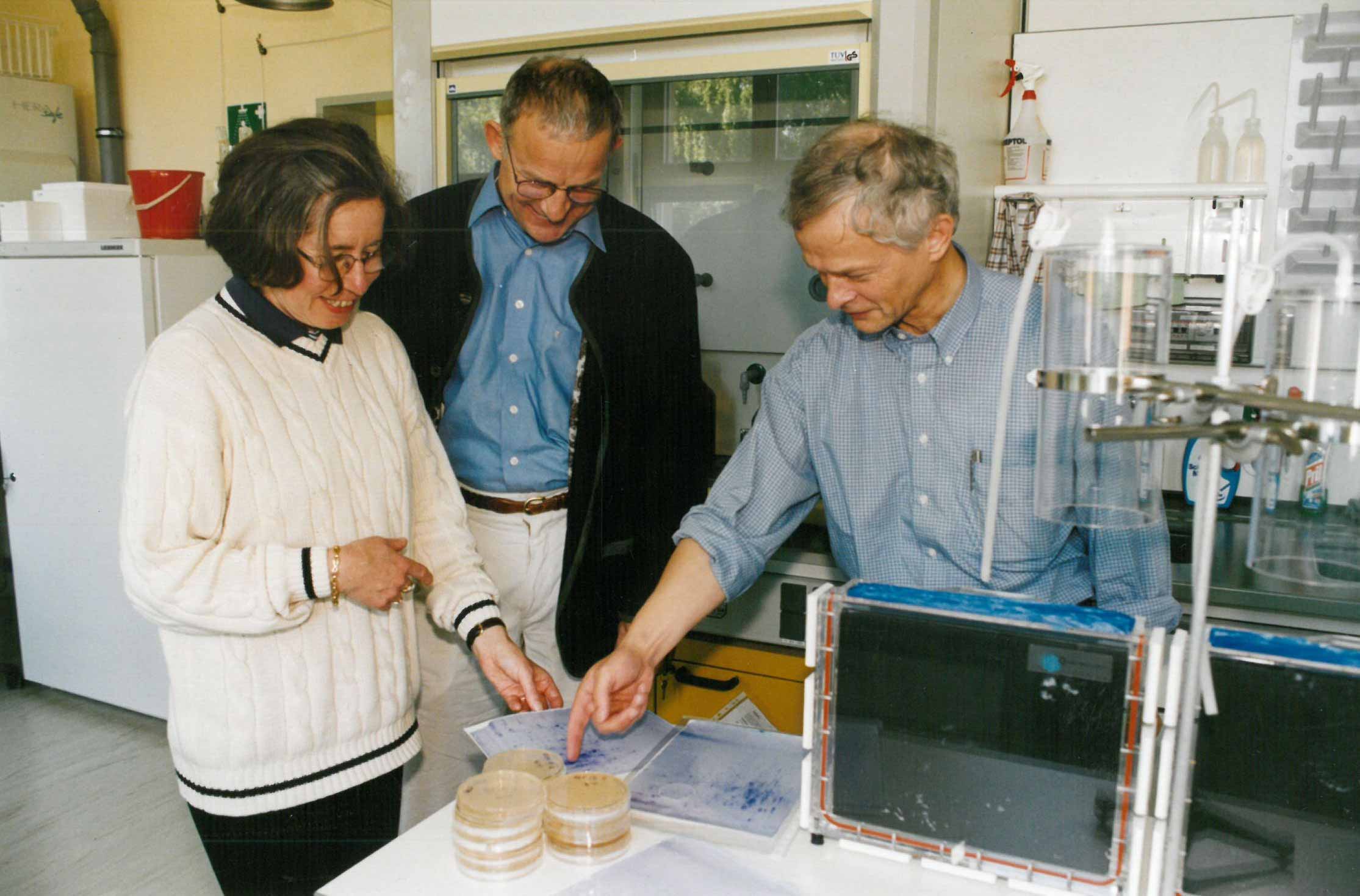
    Visiting Greifswald: In the early 1990s, Bärbel Friedrich and her husband Cornelius Friedrich visited the laboratory of Michael Hecker (right). In conversation, the Greifswald microbiologist explained, among other things, an early method for separating proteins.

    What happened in science?
    Friedrich: We immediately invited our East German colleagues to visit institutes and to the annual conference of the Association for General and Applied Microbiology, VAAM. It happened to take place in Berlin in March 1990.
    Hecker: As the last president of the GDR Society for Microbiology, I was allowed to give a welcoming address at the VAAM conference in question, during which – I was extremely emotionally tense – I lost my voice several times. Just one year later, the two societies merged at the follow-up conference in Freiburg. 

    Much has already been said and written about the turnaround in science. What is special about your new book?
    Hecker: We are focussing on research at universities, especially developments in the life sciences.  Our book describes how the life sciences in East Germany, which had been completely left behind, were brought up to international standards surprisingly quickly. A lot of negative things have been written about the general development since reunification. We present a positive example, a German-German success story. This also deserves to be heard.
    Friedrich: For us, science is a prime example of successful integration between East and West. That is one of the most important statements in our book. The discussion about science at East German universities is currently out of kilter. Our aim is to bring it into balance. 

    Before we come back to this topic, let’s outline the three phases that you describe in detail in your book: the years from 1965 to reunification, the 1990s as a transformation phase and the period of consolidation from 2000 to the present. What was the state of microbiology in the GDR before 1989, Mr Hecker?
    Hecker: We sat behind the Wall and looked enviously to the West, where the great discoveries in biology were being made. We lacked the equipment, the expertise, the whole environment. But we had excellent young people with whom we conducted passionate research despite the poor conditions. There were many interesting, atmospheric conferences that I remember fondly. For example, on the island of Hiddensee. There, in the summer of 1985, we buried the genetic engineering of the GDR in an urn on the beach in the name of the father, the clone and the holy splicer because of the lack of chemicals.
    Friedrich: I am a child of the sixties and lived through the student riots. Back then, Göttingen was the Mecca of German microbiology and a springboard to America. At MIT I learnt the latest methods in molecular biology and experienced an open, yet competitive environment. When I returned to Germany at the end of 1976, I had to fight: there were hardly any positions for young scientists and only limited research funding. The competition was tough.
    Hecker: We didn’t realise that at the time. They were sitting in paradise and we were on the outside – that’s what we thought.
    Friedrich: In the end, I was lucky and decided to take up a professorship at the Free University of Berlin. I started there in 1985 with the establishment of a new science-orientated microbiology department. The students were very motivated, it was a good, exciting time. 

    The transformation phase began with the fall of the Berlin Wall. How did it come about, Mr Hecker, that you became Dean of the Faculty of Mathematics and Natural Sciences in Greifswald?
    Hecker: I was more or less forced into it. I actually wanted to go out into the world to catch up with modern research. Instead, I had to help reorganise our university according to the FRG model. It was an exhausting four years. The majority of professors were not taken on, some for reasons of age, others because of professional deficits or because the findings of the Honours Commission spoke against it. There were many layoffs, particularly in the humanities and social sciences. When it came to subsequent new appointments, the picture in Greifswald was similar to that at most East German universities: around two thirds of the new appointees were East Germans, including habilitated junior academics. There were significantly fewer in the humanities. If we had had more qualified applicants from East Germany, the proportion would probably have been even higher. Nevertheless, it was urgently necessary for colleagues from the West to come to us with their international experience. On balance, there can be no question of the West colonising the East.

    Institut für Quantenoptik und Quanteninformation (IQOQI). © IQOQI/M.R.Knabl

    @ Design: Sabine Schade

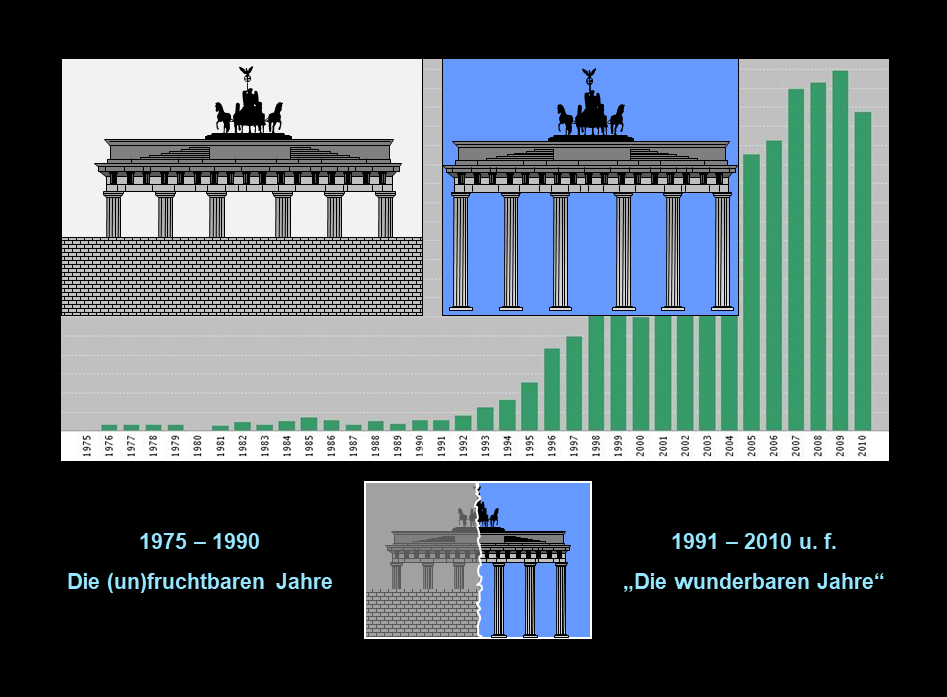
    Growing reputation: After reunification, the research findings of the Hecker working group were increasingly cited in international publications.

    In the bestseller by Leipzig literature professor Dirk Oschmann, “The East: a West German invention”, it sounds quite different.
    Hecker: Mr Oschmann addresses disappointed East Germans with his book, he wants to provoke. But when it comes to the sciences, he doesn’t have an overview. He writes from the perspective of a humanities scholar. The generalised statements do not apply to the life sciences and medicine. He writes, for example, that East Germans can be found among secretaries or technicians, but hardly among professors.  According to the book, he had to deny his East German identity in order to be accepted as a scientist in the West – something like that never happened to me. The claim that the East has been overrun by the West in the field of science is nonsense. On the contrary, the figures from the DFG Funding Atlas show that the amount of funding provided in East Germany is completely in line with the amount spent at West German universities. 

    Mrs Friedrich, you experienced the period of reunification in Berlin, first in the western part of the city, then in the east. How do you remember those years?
    Friedrich: In view of the challenges posed by the unification of the two parts of the city, money was tight and the time pressure was great. There were dramatic cutbacks, and the West Berlin universities also had to cut back. By 2010, around 350 of the 500 professorships at Humboldt University had been filled after being advertised – as many as 220 of the new professors came from the East. 

    It is often said that the academic system in the Federal Republic was transferred one-to-one to the East. Is that true?
    Friedrich: In the beginning it was like that, everything had to happen very quickly. But there was a huge backlog of reforms in the West even before reunification. Reforms finally came in the 1990s, partly as a result of the Bologna Process. Towards the end of the decade, more money flowed into the science system and the DFG was able to develop the forerunners of the Excellence Initiative, the DFG Research Centres, and later the Clusters of Excellence. I was Vice President of the DFG at the time and experienced a great deal of openness towards the universities in Eastern Germany. There was also a great willingness to help East Germany in the Wissenschaftsrat and in federal research committees. Looking back, there were major changes in the German science system as a whole during this phase. 

    Please briefly outline the developments in your fields since 2000, during the consolidation phase.
    Hecker: The young scientists at my institute, who swarmed out into the world immediately after 1990 with funding from the DFG, finally brought the expertise we lacked to Greifswald. With the new knowledge and in good co-operation with microbiologists from all over Europe – including Bärbel Friedrich, Jörg Hacker and many others – we were able to establish a reference laboratory for microbial proteomics.  This enabled the universities in the East, which had been left behind for many years, to work very quickly according to international standards. 
    Friedrich: This collaboration was also extremely fruitful for my research group. We were integrated into large networks for genome research on microorganisms. There were many joint publications. In Greifswald, the Krupp Wissenschaftskolleg actively supported the East-West collaboration. The establishment of the college was initiated by the Essen-based Krupp Foundation in 2000. A special event was the establishment of a doctoral programme together with Israel. 

    The East German universities have caught up considerably in the current competition for excellence. Ten initial applications for clusters of excellence were assessed favourably –- more than ever before. Does it take a generation to keep up in the top league?
    Hecker: That may be the case across the board. But in some places it happened much faster. Dresden has been a scientific beacon since reunification. Jena, with its outstanding non-university institutes, also caught up quickly. Both locations have been doing very well in the competition for excellence for some time now. It should be emphasised that the research projects were initially mostly shaped by newly appointed researchers from the old federal states. In the meantime, however, a new generation has grown up that is unfamiliar with the often overused East-West debate. Many of them have been able to make a name for themselves professionally in renowned laboratories around the world after completing their doctorates. They receive highly attractive job offers and their CVs are similar to those in the West. As a result, the issue of East-West is becoming increasingly blurred with the younger generation.  

    This year sees state elections in Saxony, Thuringia and Brandenburg. The AfD is likely to do well in all three states. What consequences would that have for science?
    Friedrich: It could be catastrophic. A strong influence of the AfD would severely restrict the freedom and internationality of science – and these are the very foundations of successful research. The AfD denies climate change and the coronavirus facts. This is not compatible with a modern, evidence-based scientific world view.
    Hecker: I take a similar view. Banning the party would not achieve much. We have to counter the AfD with arguments and convince people of the necessity and benefits of free science.

    Marion Merklein © FAU

    @ Peter Binder

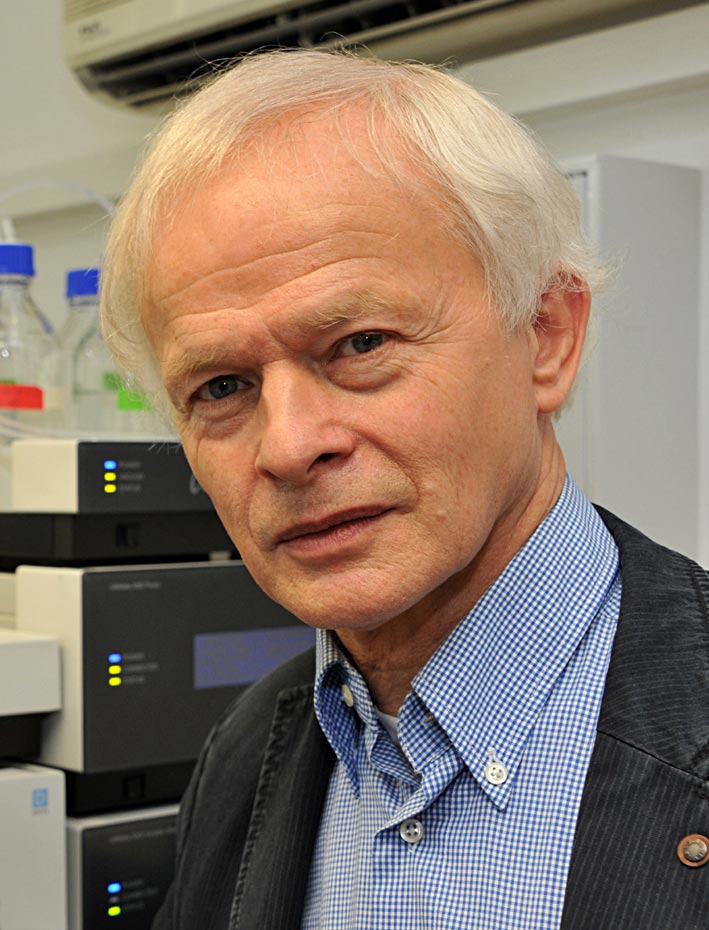
    Prof. Dr. Michael Hecker
    Marion Merklein © FAU

    @ Vincent Leifer

    Prof. Dr. Bärbel Friedrich

    ABOUT THE PERSONS

    Bärbel Friedrich was born in Göttingen in 1945. After completing her doctorate in microbiology at the university there, she went to the Massachusetts Institute of Technology (MIT) for two years as a postdoctoral researcher and then habilitated in Göttingen. In 1985, she became Professor of Microbiology at the Free University of Berlin; in 1994, she moved to the Humboldt University, where she became Professor Emeritus in 2013. Her research focused on physiological and molecular biological studies of bacteria that grow with hydrogen as an energy source and use carbon dioxide to synthesise cell substance, which is documented in more than 200 original papers. From 2008 to 2018, Bärbel Friedrich was Director of the Alfried Krupp Wissenschaftskolleg, which supports the University of Greifwald and the science region as a whole. She was also Vice President of the Leopoldina (2005 to 2015), Vice President of the German Research Foundation (1997 to 2003) and a member of the Wissenschaftsrat (German Science Council, 1997 to 2003). She has received numerous honours, including the Arthur Burkhardt Prize (2013), the Federal Cross of Merit (2013), the Leopoldina Medal of Merit (2016), membership of the Bavarian Maximilian Order for Science and Art (2021) and an honorary doctorate from the University of Greifswald (2022). Bärbel Friedrich was a member of the GDNÄ board from 2001 to 2004. 

    Michael Hecker was born in Annaberg in the Ore Mountains in 1946. He studied biology at the University of Greifswald, where he gained his doctorate in 1973 with a thesis on the biochemistry of plants. In the years that followed, he devoted himself primarily to researching the proteome, the totality of all proteins in a living organism, tissue or cell. Michael Hecker was Professor of Microbiology from 1986 to 2014 and Director of the Institute of Microbiology there from 1990 to 2013. As Dean, he made a significant contribution to the reorganisation of the Faculty of Mathematics and Natural Sciences from 1990 to 1994. From 1997 to 2001, he was President and Past President of the Association for General and Applied Microbiology, the largest association of microbiologically orientated scientists in the German-speaking world. Michael Hecker has received several science awards and an honorary doctorate from the University of Göttingen in 2023. He is an elected member of several national and international academies, including the American Academy of Microbiology, the European Academy of Microbiology, the German National Academy of Sciences Leopoldina and the Berlin-Brandenburg Academy of Sciences and Humanities.

    Marion Merklein © FAU

    @ mdv

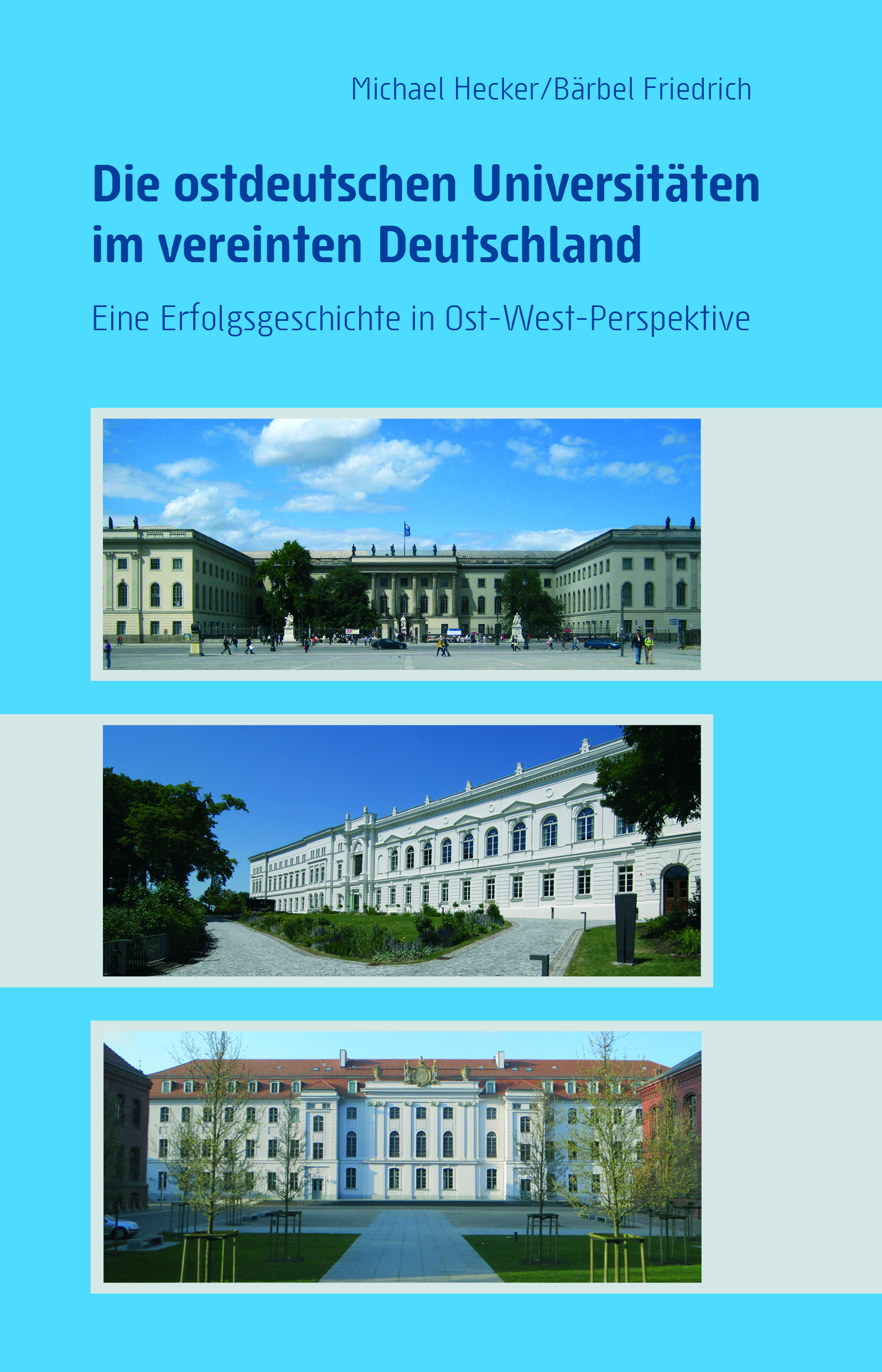
    Title page of the new book “Die ostdeutschen Universitäten im vereinten Deutschland”. Ernst-Ludwig Winnacker, President of the DFG from 1998 to 2006, wrote the foreword and afterword.

    Further information

    Book

    Michael Hecker, Bärbel Friedrich: The East German universities in a united Germany. A success story from an East-West perspective (with foreword and epilogue by Ernst-Ludwig Winnacker), 345 pages, Mitteldeutscher Verlag, Halle (Saale) 2023

    Robert Dunkelmann: “Dare to use YouTube, Instagram and co. more”

    “Dare to use YouTube, Instagram and co. more”

    Robert Dunkelmann, chemical technician and enthusiastic member of the GDNÄ, on social media and its great potential to get young people interested in science.

    Mr Dunkelmann, you joined the GDNÄ at the age of 22 and have been an active member for twelve years. What can the GDNÄ offer young people like you?
    It has a lot to offer me. At the conferences, I learn about the latest findings from the natural sciences in three days – in a concentrated, understandable way and presented by the best scientists. I always benefit from this. One example: at the meeting in Mainz in 2014, I heard about non-coding RNA for the first time, which was long misjudged as genetic waste. Only in recent years has its importance as a mastermind of gene regulation been discovered. Especially during the coronavirus pandemic, it was frequently mentioned. For most people around me, this was completely new, but I already had an idea of what was going on.  

    The 2014 meeting in Mainz was your second GDNÄ conference. The first time you attended was in Göttingen.
    Yes, that was in 2012, I had just won a special prize in the national Jugend forscht competition and was allowed to present my invention at the meeting. 

    What invention?
    As a student, I had developed a seal that indicates whether frozen products have been kept sufficiently cold on their way to the supermarket. This is important information for consumers. FrozenSignal, as I called the seal, is neither harmful to health nor the environment. It contains two substances separated by a thin layer. If the temperature rises significantly, the upper substance melts and reacts with the lower one. The initially white seal then turns a rusty brown colour. It is immediately obvious that the product has already been defrosted. 

    What happened to the idea?
    I applied for a patent and held initial marketing talks. Initially there was interest from the industry, but this waned when it became clear that trading companies didn’t want something like this. I didn’t pursue the matter any further.

    Institut für Quantenoptik und Quanteninformation (IQOQI). © IQOQI/M.R.Knabl

    @ Robert Kraemer GmbH & Co. KG

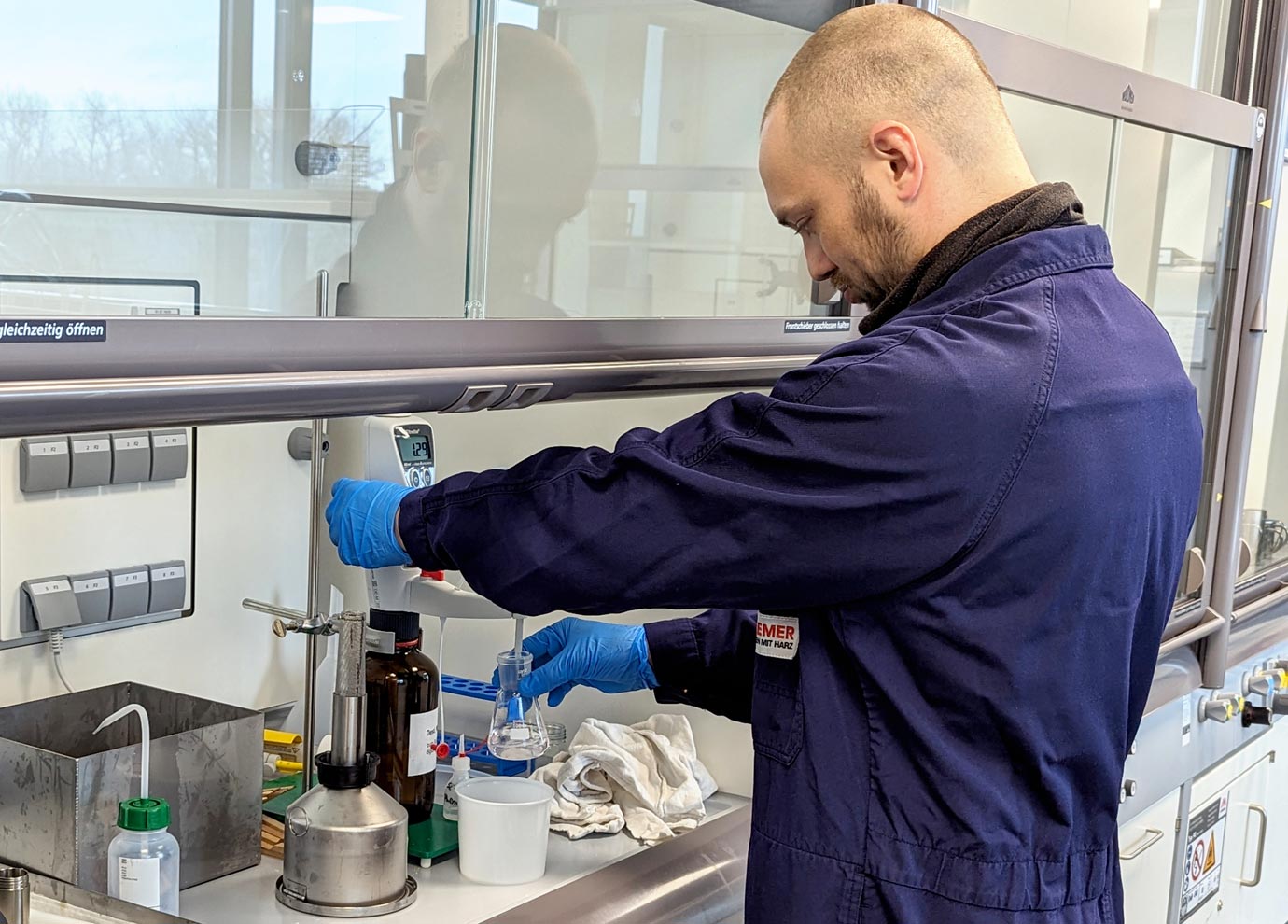
    Product properties such as acidity, viscosity or solubility are determined in the laboratory by titration.

    At the time, you were a student at a specialised secondary school near Bremen and had already completed your training as a chemical-technical assistant. How did your career progress?
    After gaining my university entrance qualification, I worked as a laboratory technician for a few years and took care of incoming goods inspection and wastewater analysis at a company in Bremen. Since 2018, I have been working for another company in Rastede that produces binders based on the natural resin rosin. The intermediate product is needed in the industry for the production of paints, varnishes and adhesives. I work in process-related analytics as well as in production and am aiming for a job as an operator in my company’s new chemical plant. 

    Have you considered going to university in the meantime?
    Yes, I actually thought about studying chemistry from time to time. But over the years I realised that I am a practical person. I focussed on that and that was the right thing to do. In my current company, I have good development opportunities and am listened to when I suggest innovations. Together with my bosses and colleagues, I have already been able to optimise some production processes. 

    You said at the beginning that you would like to contribute more to the GDNÄ. Do you already have concrete ideas?
    Yes, I do. One example: in order to reach young people better, it would be important to communicate more via social media such as YouTube, Instagram, Tiktok, Twitch and the like. I know the GDNÄ started doing this at the 2022 anniversary meeting in Leipzig, but there is still room for improvement. One option would be to get science influencers with a wide reach to cooperate. There are great young people at universities who regularly report on their research, their everyday life in the lab and their life as a scientist. With tens of thousands of followers, they reach a very large audience.    

    An Instagram video lasts a maximum of 60 seconds. Isn’t that too short to convey sophisticated content?
    That’s not much time, no question. But it’s always amazing how much essential information can be conveyed in 60 seconds. And if you want more, you can watch longer programmes on YouTube – they can last 15 minutes or more. The most popular science influencers are active on several platforms. And if you want to reach young people today, you have to use these media. Of course, they are also interesting for older people. 

    What are the advantages?
    You can see what is currently on the minds of many people, learn about the art of the short form and practise using social media. They are a treasure trove for the curious; this is where modern knowledge transfer takes place.

    Instituts für Fertigungstechnologie an der Universität Erlangen-Nürnberg. © FAU

    @ Robert Kraemer GmbH & Co. KG

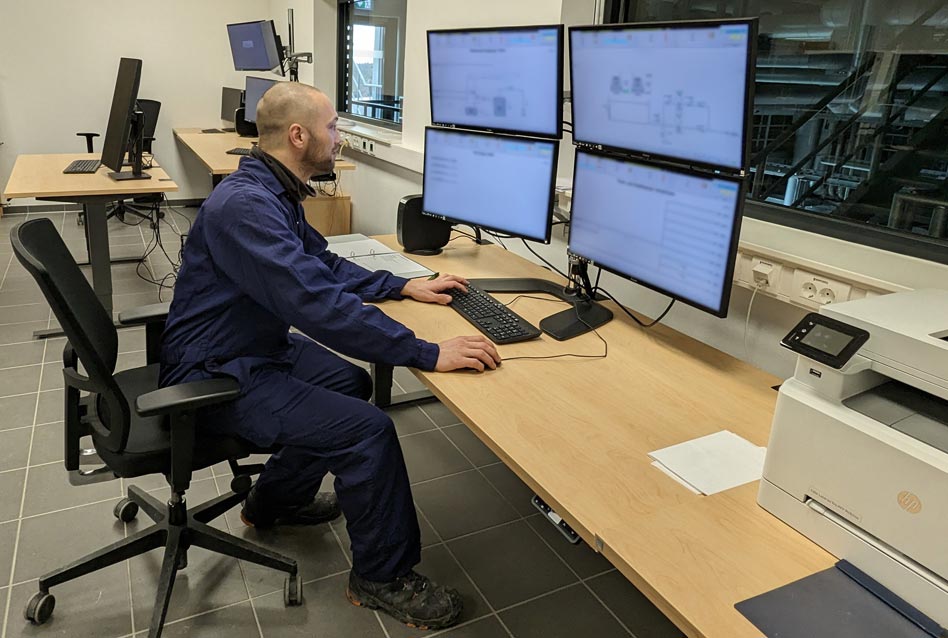
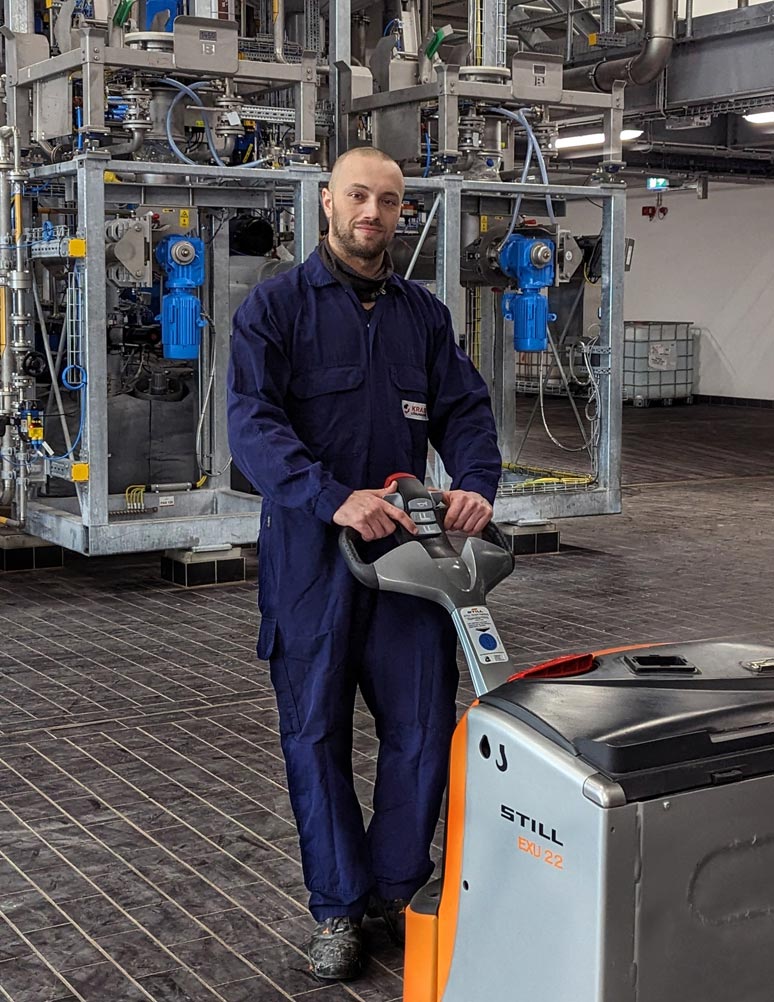
    Process control technology: the company’s systems are controlled in this room. From here, Robert Dunkelmann can, for example, fill reactors, change the temperature and pressure or regulate the thermal waste gas purification.

    On the other hand, social media can easily become a time waster.
    That’s true, it’s easy to get lost and that’s why I’ve greatly reduced my Instagram consumption. I now spend no more than an hour a month on the platform. However, I spend two to three hours a day on YouTube. It’s only partly about science, there’s also a lot of music. On the other hand, I hardly ever listen to the radio and I don’t even watch linear television any more. 

    Doesn’t that quickly put you in a filter bubble? Narrowing your own horizons?
    There is a danger of that. That’s another reason why it’s so important to keep in touch with institutions that provide foresight and an overview. The GDNÄ does exactly that and promotes personal contact. This has been a huge benefit for my career. 

    In what way?
    I’m thinking, for example, of the “Meet the Prof” format at the meetings. In these small discussion groups, young people can ask their questions without fear of embarrassment and discuss them with established academics in a friendly atmosphere. This has given me a lot of inspiration and I am convinced that others will feel the same way if they get the opportunity. If you pick up students or young professionals where they are, you can get many of them interested in science – even if they didn’t manage it at school.  

    Will I see you at the 2024 Assembly in Potsdam?
    I’m definitely planning to come. And I’m already looking forward to meeting people from the past and getting to know new ones.

    Marion Merklein © FAU

    @ Robert Kraemer GmbH & Co. KG

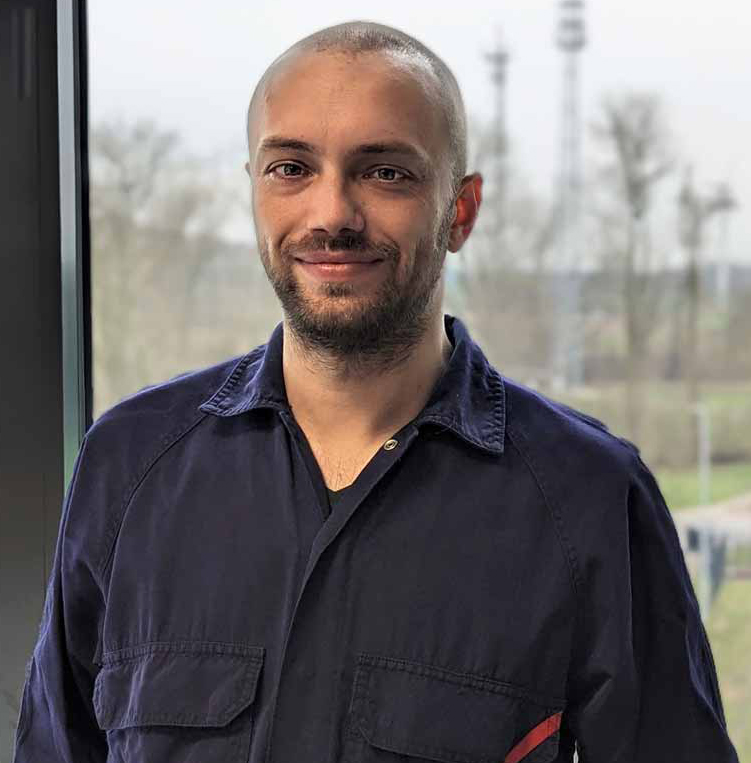
    Robert Dunkelmann, production specialist, Youth Research Prize winner and long-standing GDNÄ member.

    About the person

    Robert Dunkelmann was born in Waren (Müritz) in 1990. He initially went to school in Penzlin in the Müritzer Seenplatte district and from 2000 to 2008 in Ganderkesee in the Bremen-Oldenburg metropolitan region. This was followed by training as a chemical-technical assistant at the Utbremen school centre. Robert Dunkelmann also obtained his technical college entrance qualification there in 2012.

    From 2013 to 2018, he worked as a laboratory technician in the incoming inspection/wastewater analysis department at the waste disposal and recycling company Nehlsen Plump GmbH. Since 2018, he has been working in production at the chemical company Robert Krämer GmbH in Rastede. Together with a group of like-minded people, the 33-year-old reconstructs historical chemical production processes in his spare time. He has been a GDNÄ member since 2012.

    Bohrkern aus dem grönländischen Eisschild mit schwarzen Partikeln, die Algen, Mineralien und Ruß enthalten. Sie verdunkeln die Gletscheroberfläche und beschleunigen im Sommer die Eisschmelze. © Rey Mourot

    @ Robert Kraemer GmbH & Co. KG

    This is where intermediate containers such as resins, alcohols or organic acids are prepared for subsequent dosing. The dosed raw materials are then fed directly into the reactor by means of a screw conveyor.

    Marion Merklein: “There are bumpy years ahead”

    “There are bumpy years ahead”

    Marion Merklein, engineering scientist, company director and member of the GDNÄ Board, on turning points in mechanical engineering, taster courses and early successes with the hammer drill. 

    Professor Merklein, at your institute at the University of Erlangen-Nuremberg, you develop entire production lines and realise them together with industrial companies. Are the prospects for German mechanical engineering really as bleak as is often said at the moment?
    I’m not one of the pessimists. But there will be a lot of rumbling in the country over the next few years. Mechanical engineering is in the midst of a major transformation that will probably keep us busy until the end of the decade. Only then will things start to pick up again. 

    What transformation are we dealing with in mechanical engineering?
    The pivotal point is the energy transition, which will lead us away from fossil fuels and towards green electricity and hydrogen. At the same time, energy consumption and waste volumes are to be reduced. These alone are colossal challenges for the automotive industry and many other sectors of mechanical engineering. The situation is further exacerbated by the declining order situation against the backdrop of a global economic downturn and a dramatic shortage of skilled labour. We must not underestimate the problem from a social perspective, as one in five jobs in Germany depends on mechanical engineering. 

    How does your research contribute to solving these problems?
    At our university institute, a lot of research centres on the question of how to streamline process chains. For example, in the construction of hydrogen engines. Today, such engines are practically manufactory products with small series such as the °Mirai°: Toyota only produces 30,000 of these saloon cars with fuel cells per year. This is of course uneconomical in the long term. We are therefore currently designing production lines for large-scale production. The aim is to be able to produce millions of hydrogen drives for motor vehicles of all kinds in the future. We are also developing techniques to reduce heat consumption when joining components and chipless cutting techniques, which leads to less waste when cutting workpieces, for example. 

    In addition to your work at the university, you are also the head of a company. What drives you?
    We want to put research results from the university into practice faster than usual. That’s why I took over the management of the company “Neue Materialien Fürth” in 2019. This is a state research institution, 51 per cent of which is owned by the Free State of Bavaria and 49 per cent by several co-owners. I also own a share. The company can be compared to a Fraunhofer Institute, but with a much leaner administration. We have large industrial-scale facilities at our disposal. This enables us to carry out realistic experiments that are not possible at the university.

    Institut für Quantenoptik und Quanteninformation (IQOQI). © IQOQI/M.R.Knabl

    © FAU/Giulia Iannicelli

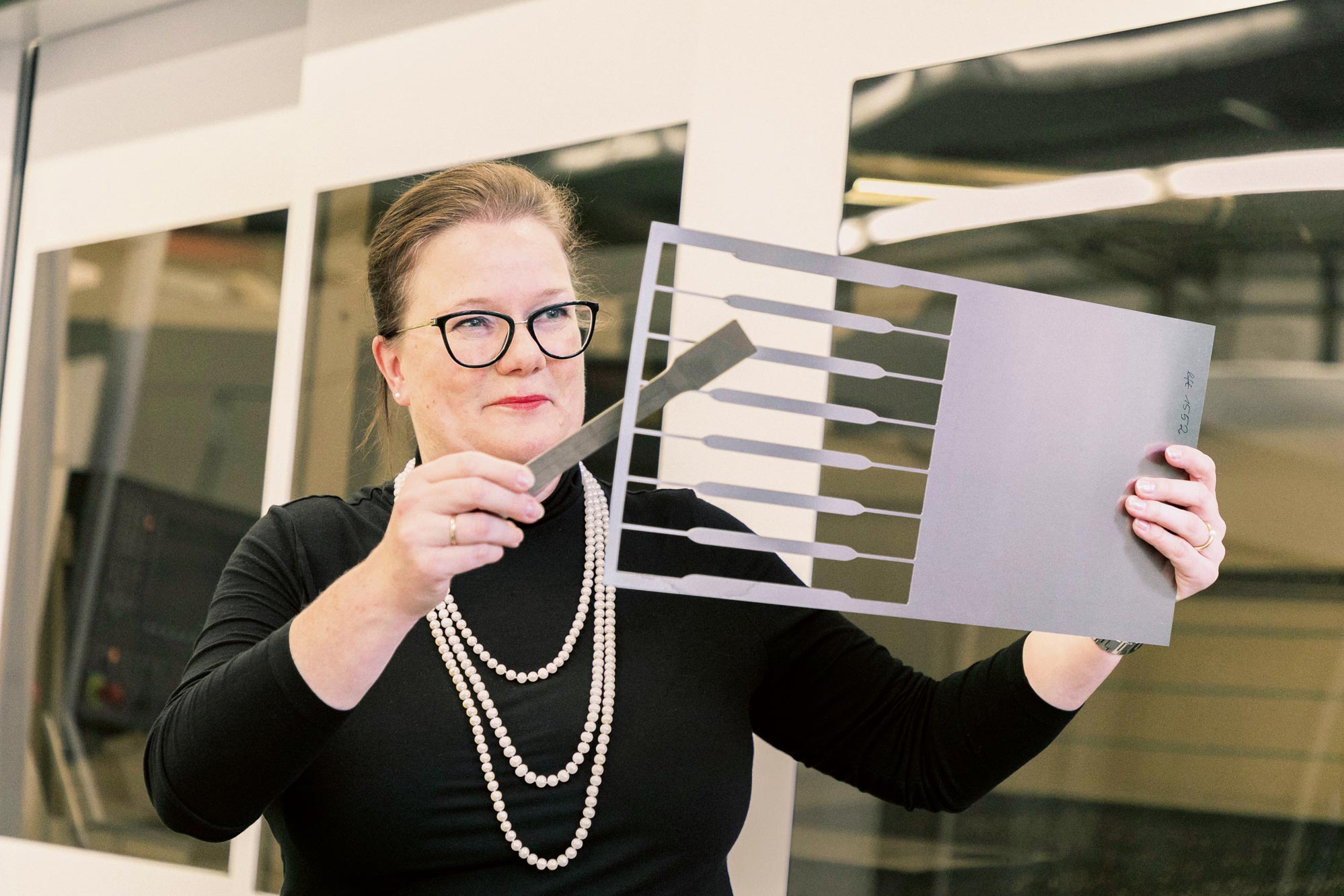
    Marion Merklein with a sheet metal blank from which tensile specimens were cut out for material testing. Input data and material cards are created from the tensile samples in order to simulate production processes.

    Are there already tangible results?
    Yes, there are, and something will soon be added that will advance electrical engineering. It’s about an internal component that I can’t reveal any more about now because the patent process is still ongoing. The development is based on the results of a Transregio funding programme on sheet metal forming and is a good example of successful research transfer. Neue Materialien Fürth also carries out contract research and provides services – the bottom line is that we are in the black. 

    Women are still a minority in mechanical engineering. What is the situation like in your environment?
    When I took up my professorship, I was the only woman in the field far and wide. But a lot has happened over the years. Today, almost a third of professorships in mechanical engineering at FAU are held by women. I definitely see myself as a role model. And in my working groups, I realise time and again that mixed teams achieve the best results. 

    Where does your fascination for the profession come from?
    My father played a big role. I was eight years old when he put a Hilti in my hand to make a wall breakthrough. I really wanted to do it, he trusted me to do it and I managed it. I was very good at physics at school and when it came to studying, I decided in favour of materials science. As time went on, I liked mechanical engineering even better, I switched and did my doctorate in this subject.

    Instituts für Fertigungstechnologie an der Universität Erlangen-Nürnberg. © FAU

    © FAU

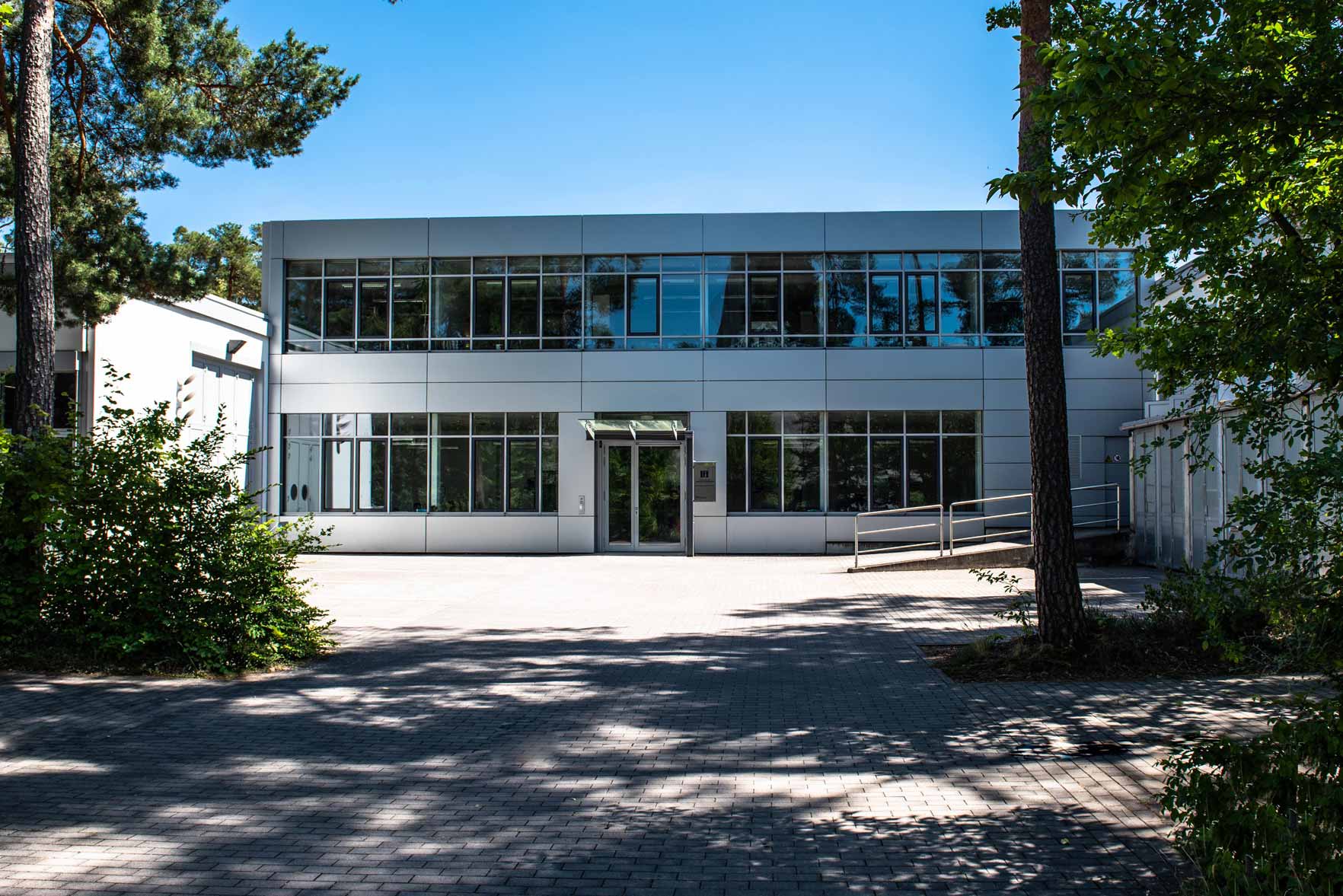
    Exterior view of the Institute of Production Technology at the University of Erlangen-Nuremberg.

    You quickly made a career for yourself and were already a professor at the age of 34. What gave you wings?
    Above all, the reliable support of my doctoral supervisor and mentor, Professor Manfred Geiger. He encouraged me right from the start and took me along to all kinds of events and conferences. This allowed me to grow into management positions. 

    Today, it is up to you to promote the next generation.
    Unfortunately, young talent is rare. Compared to pre-pandemic times, we have up to 40 per cent fewer students and correspondingly fewer young academics. Technical science degree programmes have lost their appeal for young people. If they go in a technical direction at all, many of them tend to do vocational training. Foreign students can only partially compensate for this deficit. We therefore have to come up with something to get young people interested in our subject. 

    What are you doing to achieve this?
    My team and I give talks in schools, offer technology internships and, during the Whitsun holidays, we organise a taster university where students can look over our shoulders for a week. We are currently working on experiments suitable for small children, which we can also take to daycare centres. 

    You are a representative for engineering sciences in the GDNÄ. What motivated you to take on this role?
    I was asked very kindly by the Executive Board and considered the offer an honour. I like the interdisciplinary nature of the GDNÄ, that’s what makes it so special for me and I’m happy to get involved.

    Marion Merklein © FAU

    © FAU

    Prof Dr Marion Merklein heads the Chair of Production Technology at Friedrich-Alexander-Universität Erlangen-Nuremberg.

    About the person

    Prof Dr Marion Merklein’s research career is closely linked to the University of Erlangen-Nuremberg (FAU). There she studied materials science and obtained her doctorate, where she worked as a senior engineer and research group leader and completed her habilitation. At the age of just 34, Merklein received three offers for professorships from Germany and abroad, but once again decided in favour of FAU. Her Chair of Production Engineering is regarded as one of the leading international centres in its field with excellent contacts in science and industry.

    Marion Merklein’s more than 600 research papers cover a wide range of topics, with her main interests being the design and optimisation of lightweight sheet metal constructions, hot sheet metal forming (press hardening) and sheet metal forming. In many cases, Merklein succeeds in bridging the gap between materials science and production technology, often addressing issues relevant to industrial applications.

    The 50-year-old scientist has received numerous awards, including the Leibniz Prize of the German Research Foundation (2013) and the Bavarian Order of Merit (2018). She is a member of the National Academy of Sciences Leopodina, the Berlin-Brandenburg Academy of Sciences and Humanities and the German Academy of Science and Engineering acatech. Marion Merklein also heads a company, Neue Materialien Fürth GmbH, a state research organisation that aims to transfer the findings of basic scientific work to industry.

    Further information:

    Heribert Hofer: “In Potsdam, we present the Young GDNÄ”

    “In Potsdam, we present the Young GDNÄ”

    GDNÄ President Heribert Hofer on highlights of the 2024 Assembly, German as the conference language and his interim period after one year in office.

    Professor Hofer, the 133rd GDNÄ Assembly will take place in Potsdam in September 2024. There are still nine months to go until then. Are you and your team on schedule?
    Yes, the preparations are well advanced. We have a clear idea of the scientific programme, the event rooms have been booked and the supporting programme has largely been finalised. All GDNÄ members will receive more details in the annual letter at the beginning of January.

    There are still three weeks to go until then. Can you give us a few insights in advance?
    It will be a very interdisciplinary conference, even more so than is usual at GDNÄ meetings. For example, we will show how important artificial intelligence already is for different scientific fields and how it is used. Some of the presentations will make you wonder whether this is biology or physics – the methods are now so interlinked. Interdisciplinary thinking and working is becoming increasingly important in almost all subjects, and this trend naturally plays into our hands. The focus also corresponds to the interest of our members, as we know from conversations and letters.

    The meeting is entitled “Science for our lives of tomorrow”. Many people are currently not very optimistic about the future. Can science brighten up the picture?
    Yes, it can and it has often done so in the past. Just think of the coronavirus vaccines, which put an end to the pandemic relatively quickly. As in this case, research results have often been used for the benefit of mankind. But, as we all know, they can also cause harm. My concern is therefore a responsible science that has both potentials in mind. For example, in the field of green genetic engineering, where new genomic tools are used to develop plants. We will be discussing the opportunities and risks in detail in Potsdam. We will also be discussing new trends in ChatGPT and the like, i.e. generative language models and what they mean for the world of tomorrow.

    This topic should be of particular interest to the students present in Potsdam. What role will they play at the 2024 Assembly?
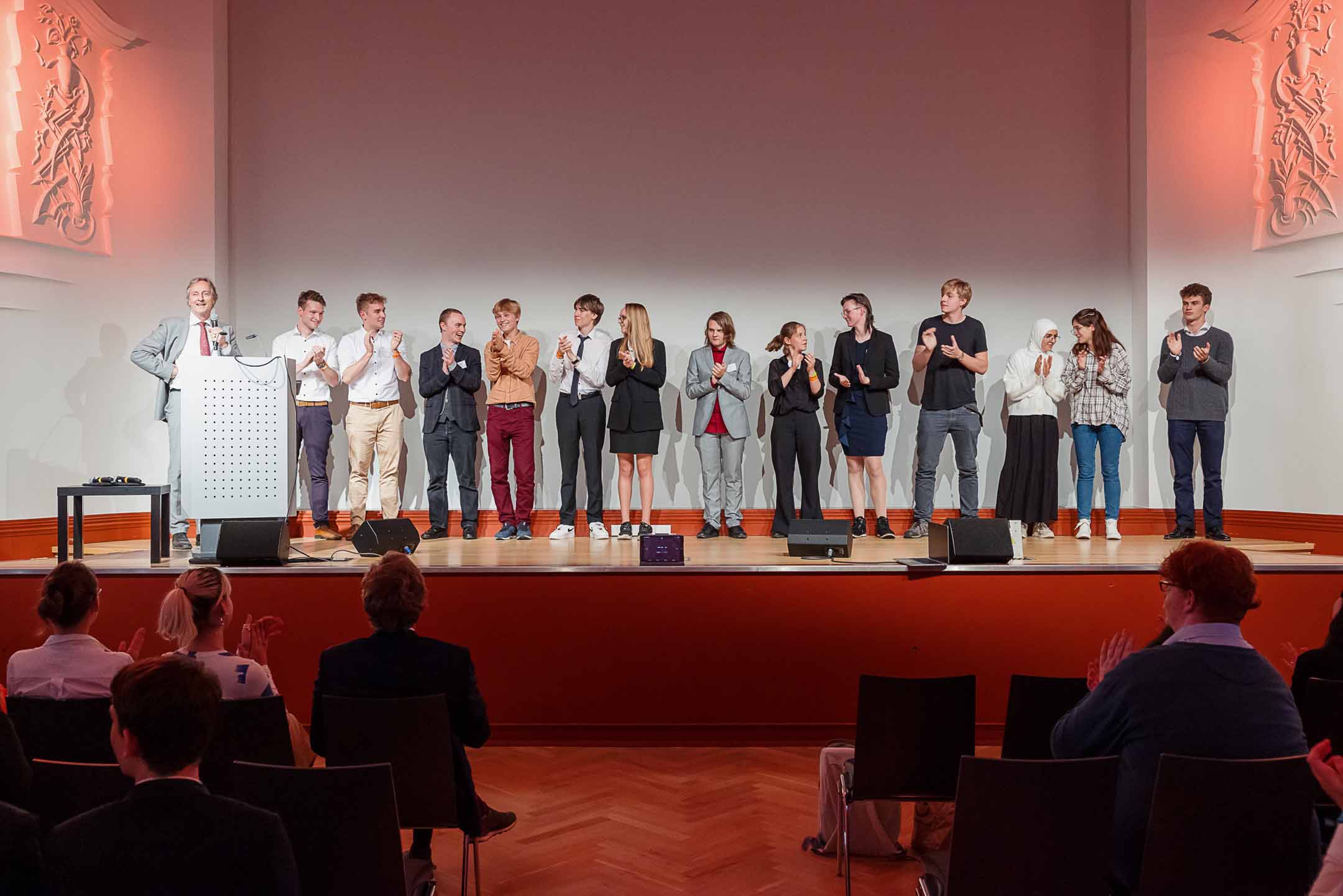
    Their contributions are very important for us. Similar to the 2022 anniversary conference in Leipzig, the young people will be discussing with scientists on the podium. We are organising two workshops in advance so that they can familiarise themselves with the content. In Potsdam, not only selected students from the region will take part, but also former participants of our student programme who are now studying. The aim is to attract talented young people to science – and ideally also to the GDNÄ.

    Institut für Quantenoptik und Quanteninformation (IQOQI). © IQOQI/M.R.Knabl

    © MIKA-fotografie | Berlin

    The Science Slam at the GDNÄ Assembly 2022 in Leipzig was a crowd-puller. Heribert Hofer (left) supervised the participating students.

    Can this be achieved in a three-day meeting?
    As a rule, of course, it takes more time. For this reason, we want to create the Young GDNÄ. The new group should be open to current and former members of the student programme, engage more with the public at meetings and also be active between meetings. How this could look in detail has yet to be discussed. The next strategy meeting between the Executive Board and Board Council in February 2024 will provide an opportunity to discuss funding for the project. Foundations we have spoken to have shown themselves to be open-minded and willing to support the Young GDNÄ. That makes us very happy.

    When will you present the new format to the members?
    In a few months, at the meeting in Potsdam. 

    What kind of response do you expect?
    I am convinced that there will be a lot of approval. I am encouraged by the extremely positive feedback on the extended student programme at the anniversary meeting in Leipzig. The speakers enjoyed the dialogue with the young people and the audience was delighted with the lively discussion. Some of them approached me later and offered to help. It is a matter close to their hearts to introduce the next generations to science. There is a great willingness to get involved, which we want to utilise more in the future. 

    We need more young members, more women, more ethnic diversity: these were the slogans with which you took office a year ago. The Young GDNÄ is making good progress – what about the proportion of women and ethnic diversity?
    We are still focussing on both issues. Today, there are high-calibre female experts in all scientific fields, which makes it easier to find excellent specialist representatives for our meetings. It becomes more difficult with the additional requirements of the GDNÄ: the speakers should be able to present their research as comprehensibly as possible and in German. This reduces the choice – among women, but above all among scientists with foreign roots. Nevertheless, we were able to attract leading minds from both groups for Potsdam 2024.

    German was once the language of science, today it is English. Does the GDNÄ want to stick to German?
    Yes, German will remain the conference language. This also has to do with our interdisciplinary approach. It is intellectually challenging to familiarise with the complex interrelationships from other disciplines at the meetings. If the audience then has to translate the presentation themselves from another language, it can easily lead to fatigue and misunderstandings. The subsequent discussion also becomes more tedious. We want to avoid this and our members encourage us to do so.

    The regional public, who are traditionally invited to GDNÄ meetings, should also benefit from this. What special features are planned for 2024?
    On 13 September, a Friday evening, the Nobel Prize winner in physics Ben L. Feringa will present his research in a generally understandable way, and on the evening of 14 September, Liane G. Benning from the German Research Centre for Geosciences will give the renowned Leopoldina Lecture. Both events are open to all interested parties free of charge. We look forward to many visitors!

    What would a GDNÄ meeting be without a nice accompanying programme: What is planned here?
    Potsdam’s cultural and research landscape is rich and vibrant. We will explore it extensively: at great evening events, guided tours and science-based excursions. A few nice surprises are currently in preparation.

    You have been President of the GDNÄ for almost exactly a year now. What is your interim conclusion?
    I am impressed by the dynamism and efficiency with which the GDNÄ tackles and realises new projects. And I am convinced that we can reach the media and the public even better. This was noticeable at the recent award ceremony for the Lorenz Oken Medal to Armin Maiwald, which was attended by almost two hundred science communicators. What inspires me is the great interest shown by our members in their commitment to society and science. This is a treasure that we should all work together to realise.

    AleutBio-Team © 2022, Thomas Walter, Expedition SO293 AleutBio

    © David Ausserhofer / Wissenschaft im Dialog

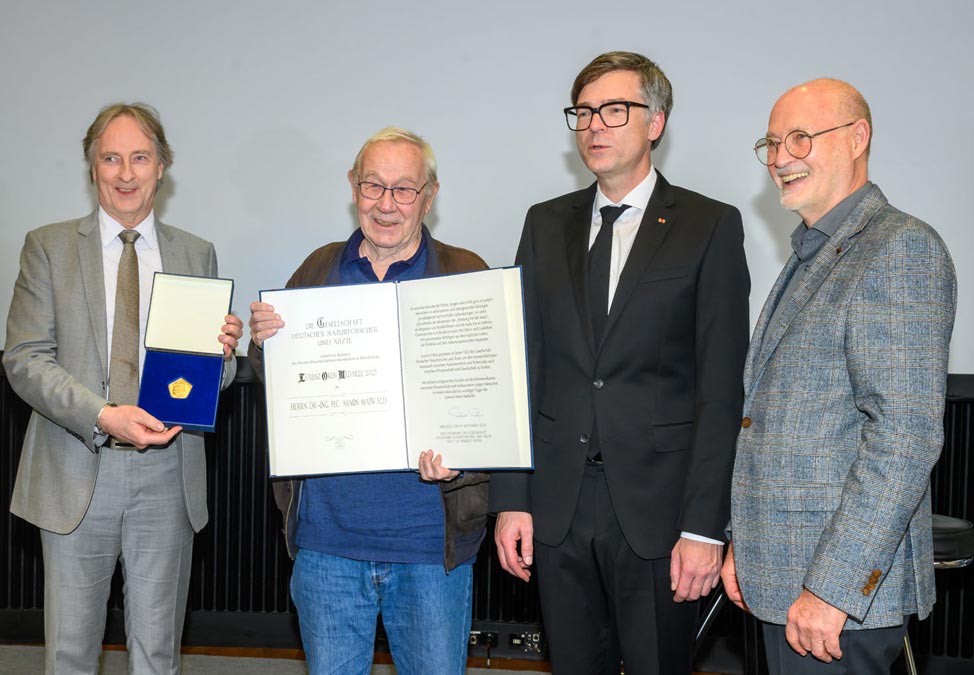
    GDNÄ President Hofer (left) at the ceremony to award the Lorenz Oken Medal to Armin Maiwald (2nd from left), a pioneer of the “Sendung mit der Maus” program. Right half of the picture: Laudator Ralph Caspers and GDNÄ Secretary General Professor Michael Dröscher.

    Mit Medaille und Urkunde in der Bielefelder Stadthalle © David Ausserhofer

    © Heribert Hofer © MIKA-fotografie | Berlin

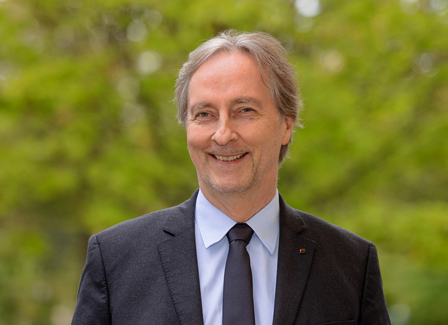
    Professor Heribert Hofer, GDNÄ President (2023-2024) and Director of the Leibniz Institute for Zoo and Wildlife Research in Berlin.

    Request from the President

    Dear GDNÄ members, please let us know your e-mail address so that we can network with each other more easily. The best way to do this is to send an email to the office at info@gdnae.de.

    Program leaflet

    About the person

    Professor Heribert Hofer, Director of the Leibniz Institute for Zoo and Wildlife Research (IZW) in Berlin, was elected President by the General Assembly for the two years 2023 and 2024 and is therefore responsible for the scientific organisation of the 133rd Assembly in Potsdam in 2024.

    The renowned zoologist (63) has headed the Leibniz-IZW in Berlin-Friedrichsfelde since 2000 and since then has also been Professor of Interdisciplinary Wildlife Research at the Free University of Berlin. Prior to his time in Berlin, he conducted research at the Max Planck Institute of Behavioural Physiology in Seewiesen, Bavaria, from 1986 to 1999, initially as a postdoctoral researcher and later as an independent scientist. In 1997, he completed his habilitation at the Ludwig Maximilian University of Munich with a thesis on the behaviour of spotted hyenas in the Serengeti savannah. Heribert Hofer began his studies in zoology at Saarland University and graduated with a DPhil from Oxford University.

    The internationally renowned scientist has been closely associated with the GDNÄ for many years. He has been involved in a variety of ways: as an elected subject representative and group chairman for the subject of biology, with speeches at meetings, as Vice President in the preparation of the 200th anniversary celebrations in Leipzig – and since the beginning of 2023 as President of the GDNÄ.

    Further information:

    Armin Maiwald: Research until the doctor comes

    AWARDED

    Mit Medaille und Urkunde in der Bielefelder Stadthalle © David Ausserhofer

    © David Ausserhofer / Wissenschaft im Dialog

    With medal and certificate in the Bielefeld Stadthalle (from left to right): GDNÄ President Professor Heribert Hofer, award winner Armin Maiwald, laudator Ralph Caspers and GDNÄ Secretary General Professor Michael Dröscher.

    “Research until the doctor comes”

    Armin Maiwald has been the face of Die Sendung mit der Maus for decades. For his exciting stories about science and technology, the GDNÄ awarded the presenter, author and director the Lorenz Oken Medal 2023. The award was presented on 15 November 2023 at the Science in Dialogue Forum in Bielefeld. 

    How do the pearls get into the shells? Why are there seasons? And why is milk white even though cows only eat green grass? Mr. Maiwald, you have been answering children’s questions in the “Sendung mit der Maus” for a good fifty years. Which question is asked most often?
    Why is the sky blue – that’s the clear favourite. We have always made new programmes to answer the question in a contemporary way. The latest version is from 2018. 

    You and your team have already been awarded many prizes for the Sendung mit der Maus. Do you still have an overview?
    There are now more than a hundred national and international prizes, which of course makes us very happy. A nice surprise last year was the honorary doctorate from RWTH Aachen University for special achievements in the education of children and young people. 

    Now you are receiving the Lorenz Oken Medal of the GDNÄ. What does the award mean to you?
    I feel honoured and happy about the good company. Harald Lesch, Gert Scobel and Mai-Thi received the award before me. I am in good hands in this environment. 

    The Sendung mit der Maus has been running every Sunday morning for 52 years and has a large, loyal fan base. What makes it so successful?
    We tell exciting stories about science. At the beginning we are as silly as everyone else and at least as curious. And then we take the viewers along on the journey. We go to Wesseling, for example, where we look for answers to a child’s question in the refinery: Why is oil so important? 

    How do you proceed in detail?
    We work our way logically, step by step, and always comprehensibly. First the forest, then the individual tree, then the bark and finally the bark beetle. Instead of computer simulations, we rely on experiments with homemade models. If it’s about thermal deformation, for example, we explain it by cooking spaghetti, and what filtration is, we illustrate with a coffee filter. Foreign words are taboo for us, and we don’t do interviews. When it comes to a new topic, we research until the doctor comes. Maybe that’s even our greatest strength.

    Institut für Quantenoptik und Quanteninformation (IQOQI). © IQOQI/M.R.Knabl

    © FLASH Filmproduktion GmbH

    Armin Maiwald with cameraman Kai von Westerman filming on the motorway bridge in Leverkusen.

    How long do you work on a contribution? 
    That varies greatly. Some productions only take a few weeks, others take years. Our longest research was on the question of why vitamin C is so important for our bodies. It took us three years to get the hang of presenting that in a comprehensible way. Another long-term project is the construction of the new motorway bridge in Leverkusen. We have been accompanying the work since 2015 and have answered all kinds of questions about it in several broadcasts: How do the cables get to the bridge? How are the piers built? And how long does a bridge like this actually last? The seventh episode will be broadcast at the end of the year. 

    Are there also topics that you cut your teeth on?
    Yes, there are. Quantum, for example. For years we have been trying everything possible to explain them in a way that is suitable for mice. But we keep coming up against the limits of representability and haven’t yet found the right trick. Another example is the conversion of plastic waste into petroleum. Children were already asking about this in the 1970s. We have visited an experimental plant in Switzerland and are still waiting for an announced plant in the Ruhr area. So we don’t have to grit our teeth completely, but we need a lot of patience. 

    There are now more than 2700 programmes with the mouse. How did it all begin?
    In a pub in Cologne. At the end of the 1960s, I was sitting with a couple of WDR editors. We were discussing God and the world, and suddenly there was the idea for a new kind of children’s programme. One of us, Gert Kaspar Müntefering, then fought for it at Westdeutscher Rundfunk and won. In the beginning, the programme was made by a few people, but today a large team of reporters, presenters, illustrators and animators work for the Mouse. The whole thing is largely produced by the Cologne film company Flash, which I co-founded. 

    How has your programme changed over the years?
    A lot has changed. It starts with the name. In 1968, when we started, the programme was still called Lach- und Sachgeschichten für Fernsehanfänger. In 1971 it was renamed Sendung mit der Maus. In the beginning, children came to the studio in Sunday clothes to be lectured. Soon we found it too stiff, too dry, too theoretical – a bit like school. But we definitely didn’t want to do school television. So we went out into life to look for answers to children’s questions. That’s how we still do it today.

    AleutBio-Team © 2022, Thomas Walter, Expedition SO293 AleutBio

    © FLASH Filmproduktion GmbH

    Sound engineer Christian Hennecke records the buzzing of bees in an apple orchard.

    Are they really always children’s questions? And have the questions changed over time?
    Yes, the starting point for our programmes are actually always children’s questions. It is not unusual for adults to be behind them, you can see that in the language and style. For some years now, the questions have become more technical. For example, they say: How does my mobile phone know that I’m standing on Cologne’s Cathedral Square? Or: What happens on the internet when I ask a question? 

    Children and young people are becoming less and less interested in the natural sciences, according to an often-heard complaint. Do you also see this trend?
    Yes and no. I’m thinking of our satellite competition in which pupils from Bad Homburg took part. The team had spent six months building an observation satellite the size of a drinks can, but suddenly nothing worked when it was launched. But the students didn’t get discouraged and in no time at all they had a new CanSat, as the mini satellites are called. The replica actually took off. This is a great example of scientific enthusiasm. In school lessons, things often look different. Everyone is supposed to be involved, even the uninterested, and that can lower the level of the class quite a bit. The teachers are left alone with the problem, they can’t be blamed for that. I don’t see a perfect solution at the moment. 

    Today, research institutions of all kinds are trying to make their results as comprehensible as possible to the general public. Are they succeeding?
    Only in part. I hear and read too many technical terms and far too much English. One talks about the CEO, the other about convenience products and both think that everyone knows what is meant. They are wrong, because to many people the terms mean absolutely nothing. Yet the public has a right to know – they should be able to understand what scientists are doing with taxpayers’ money.  

    What is the best way for researchers to reach the public?
    Pictorial comparisons for technical terms are very effective. In our programme on vitamin C, for example, we talk about body police when we talk about macrophages. You can think about such comparisons in advance and test them in conversation with people who are not experts in the subject. If you have children at home, you can tell them what your work is about. If they then say, oh, that’s how it is, now I know what you do, you’re on the right track. The “aha” effect is important – for children, but also for adults. 

    Were you actually aware of the GDNÄ when you heard about the award?
    No, I heard about the GDNÄ for the first time. Of course, I immediately did some research. My first impression was that the GDNÄ must be a pretty solid company. Two hundred years, you need good substance for that. 

    At 83, others have long since retired. You continue to work. What drives you?
    Firstly, I haven’t learned anything else, and secondly, I still enjoy it. With every new story, the question arises: how can I tell it in an exciting and understandable way? Sometimes I have to really boil the grey cells in my brain to find good answers. It’s not always easy, but it keeps you fit. 

    The award winner

    Armin Maiwald was born in Cologne in 1940. He talks about his childhood in the multi-award-winning “Postwar Mouse”, a programme that was last broadcast in an updated version in 2020. Maiwald’s family was bombed out three times. After stations in Lower Silesia, Uffing am Staffelsee and Neuss, Maiwald returned to Cologne in 1953. There he studied theatre studies, German language and literature and philosophy and began working as an assistant director at WDR in Cologne in 1963. Armin Maiwald is one of the inventors of the programme mir der Maus -–together with Gert Kaspar Müntefering, Monika Paetow and the artist Isolde Schmitt-Menzel, who designed the Mouse logo. Maiwald has received the German Federal Cross of Merit and the Grimme Prize, among others, for his moderation and design of the programme. In 2023, the GDNÄ awarded him the Lorenz Oken Medal. Two schools in Monheim-Baumberg and in Radevormwald bear his name. Armin Maiwald has been married since 1965 and has two grown-up children.

    Armin Maiwald © Flash

    © David Ausserhofer / Wissenschaft im Dialog

    His television colleague Ralph Caspers, who has been part of the Maus team since 1999, gave the laudatory speech for the award winner to much applause.

    Lorenz Oken Medaille © GDNÄE
    Lorenz Oken Medaille © GDNÄE

    © GDNÄ

    Since 1984, the GDNÄ has been awarding its Lorenz Oken Medal to individuals who have rendered outstanding services to science communication. The award honours the founder of the GDNÄ, the natural scientist Lorenz Oken, who first convened a meeting of natural scientists and physicians in Leipzig in 1822. The photos show the front and back of the gold-plated medal for Armin Maiwald.

    Science in dialogue

    The Science Communication Forum is the largest conference for science communication in the German-speaking world. The conference is organised annually by Wissenschaft im Dialog (WiD), the joint organisation of German science for science communication. The Science Communication Forum 2023 will take place from 15 to 17 November in Bielefeld. The thematic focus is “Controversial, but fair – impulses for a new culture of debate”. The GDNÄ is a long-standing member of WiD and awards its Lorenz Oken Medal every two years at the forum conferences.

    Further information:
    Armin Maiwald © Flash

    © FLASH Filmproduktion GmbH

    Armin Maiwald during the filming of the story “Tyre production”. A cake with a tyre tread was baked as an explanation.

    © David Ausserhofer / Wissenschaft im Dialog

    Armin Maiwald with fans after the award ceremony. 

    © David Ausserhofer / Wissenschaft im Dialog

    Armin Maiwald in an interview with Luise Laakmann and Thuy Anh Nguyen from “Wissenschaft im Dialog”. 

    © David Ausserhofer / Wissenschaft im Dialog

    Crowd-puller: A packed hall at the awards ceremony in the Bielefeld Stadthalle.

    © David Ausserhofer / Wissenschaft im Dialog

    Armin Maiwald at the award ceremony.