x xc

Rainer Blatt: Quantum technology is developing at a rapid pace

"Quantum technology is developing at a rapid pace"

For his achievements in the field of quantum physics, Anton Zeilinger will receive the 2022 Nobel Prize in Physics. In this interview, Professor Rainer Blatt describes how Austria became a hotspot for this field of research and how Germany is now trying to catch up. Rainer Blatt is known to many GDNÄ members through his lectures and publications He is known to many GDNÄ members through his lectures and publications and has worked closely with Anton Zeilinger for a long time. 

Professor Blatt, how many interviews have you given since the beginning of October?
It must have been five or six. The requests came from national and international news agencies and newspapers. 

What were the interviews about?
The occasion was, of course, the Nobel Prize for quantum research, which was awarded to my colleague Anton Zeilinger together with the Frenchman Alain Aspect and the American John Clauser. The spectrum of topics ranged from questions of basic research to my connection with Anton Zeilinger. 

We are also interested in this: How long have you known Anton Zeilinger and what is the connection between the two of you?
We have known each other for 35 years and started working together soon after I arrived at the University of Innsbruck in 1995. We are connected by quantum physics research, whereby our approaches differ but complement each other well. Anton Zeilinger is dedicated to the fundamentals of quantum mechanics and works with photons, while I specialise in atoms and ions and focus more on applications. Together with Peter Zoller and other colleagues, we founded the Institute for Quantum Optics and Quantum Information, or IQOQI for short, in Innsbruck in 2003. Our model was the famous JILA, an institute for atomic physics and astrophysics in Boulder, Colorado. Peter Zoller and I had spent wonderful research stays there. Back in Austria, we were able to convince the local Academy of Sciences to set up a similar institution in our country. In the meantime, the IQOQI has developed into a beacon of research, and that can be said without exaggeration.
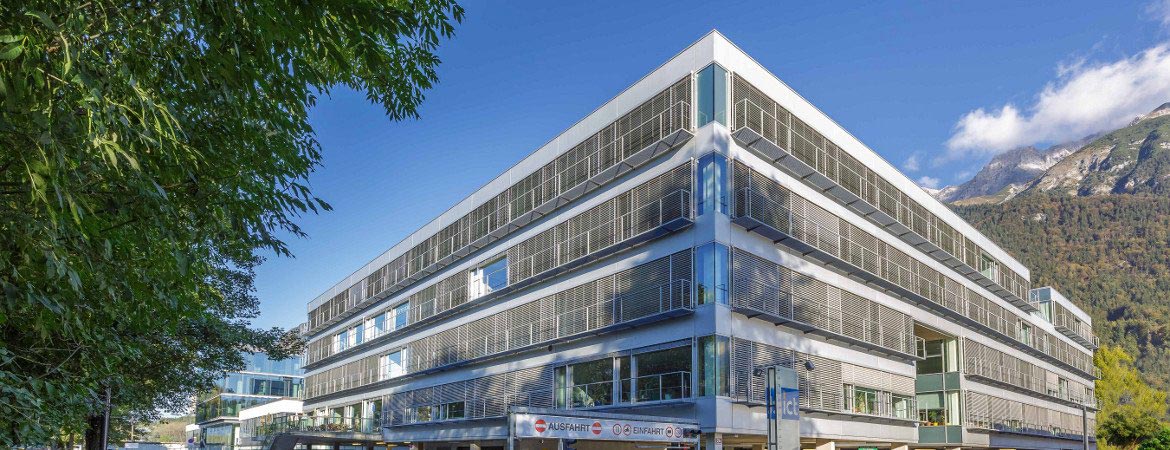
Institut für Quantenoptik und Quanteninformation (IQOQI). © IQOQI/M.R.Knabl

© IQOQI/M.R.Knabl

Exclusive location in the Tyrolean Alps: the Institute for Quantum Optics and Quantum Information (IQOQI).

How can we imagine the institute?
We work at two locations: Here in Innsbruck, more than 200 scientists from over 20 countries are now conducting research; the team around the director Markus Aspelmeyer in Vienna is similarly large and international. Despite different research foci, we work closely together, and our working groups meet regularly to exchange ideas. In the first few years I led the institute as founding director, since then I have acted as scientific director. 

So, could the IQOQI be described as a nucleus for the Nobel Prize in Quantum Physics in 2022?
Absolutely. Although much of the work honoured with the prize was done before the institute was founded, the IQOQI has greatly promoted the visibility of quantum physics in Austria. 

What significance does the award have for your field in Austria?
The Nobel Prize is also a recognition of the immense development work of the last 25 years. It has led to the creation of a critical mass in quantum information in this country. With its per capita expenditure in this field, Austria is the world leader. Our funding agencies, first and foremost the Austrian Science Fund FWF, the Federal Ministry of Education, Science and Research and the Austrian Academy of Sciences, have ensured this – we owe them our very special thanks. 

What about the practical application of the research results, for example in the field of quantum computing?
There are first prototypes that can calculate with a few tens of quantum bits, so-called qubits. That's a lot, considering that a quantum computer can in principle achieve the performance of a current supercomputer with just fifty qubits. The prerequisite, however, is that the quantum calculations can be continued indefinitely and that no errors occur in the process. We are still a long way from that, but intensive work is currently being done worldwide on error correction and scalability. In general, the field is developing rapidly, the potential is extremely large and many young people with fresh ideas are joining the field.
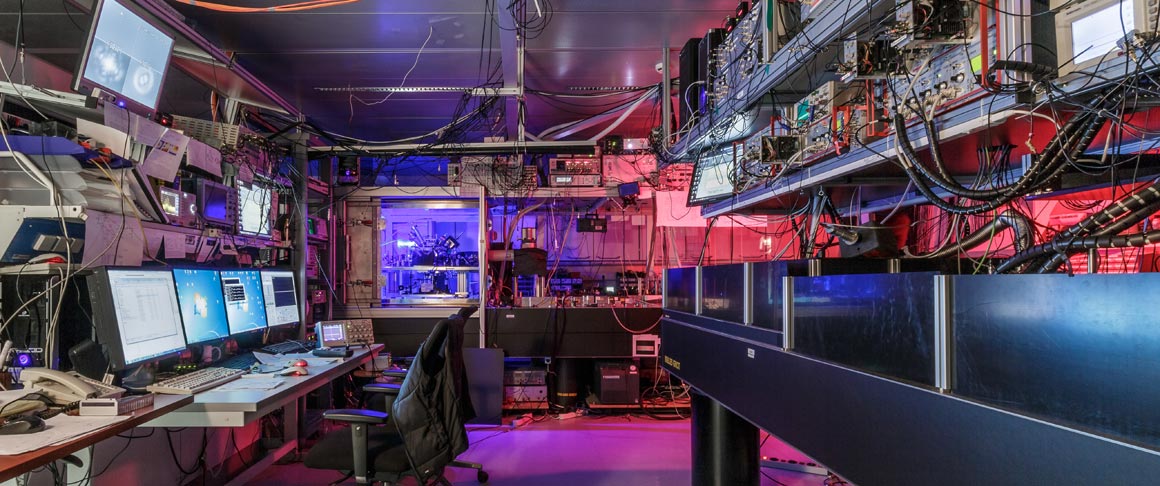
Labor im Innsbrucker Institut für Quantenoptik und Quanteninformation © IQOQI/M.R.Knabl

© IQOQI/M.R.Knabl

View into a laboratory at the Innsbruck Institute for Quantum Optics and Quantum Information.

It is often said that quantum computers with gigantic computing power will soon replace classical computers altogether. Is that how you see it?
No, because quantum computers are particularly well suited for solving special problems, for example for calculating the quantum properties of materials, which is very important in chemistry and for which about half of the world's computing power is used today. Classical computers need much more storage capacity for such operations than quantum computers. Incidentally, as early as the 1980s, the US Nobel Prize winner Richard Feynman pointed out that it makes much more sense to use computers for such tasks that calculate with quantum properties and thus automatically take quantum behaviour into account than to programme this in a complicated way on a classical computer. Classical computers will continue to perform standard calculations and routine work and have their justification, for example, when it comes to Big Data applications, such as in climate research. Here, the rules of classical mechanics apply; this is not the terrain of quantum computers. 

The German government is funding the development of quantum computers "Made in Germany" to the tune of two billion euros. Bavaria added another 300 million euros and launched the ambitious project "Munich Quantum Valley" at the beginning of 2022, in which you are also involved. What is happening there right now?
The Munich Quantum Valley is about developing and operating quantum technology as a whole and competitive quantum computers in Bavaria. The two Munich universities and the University of Erlangen-Nuremberg are participating, as well as the Max Planck Society, the Fraunhofer Society, the German Aerospace Centre and the Bavarian Academy of Sciences. Munich Quantum Valley, with its 350 employees, is where all the threads come together. We are currently building quantum computers on three different platforms. The project is already setting international standards. As an advisor and coordinator, I now devote half of my working time to it. 

Munich Quantum Valley has set out to inform the public about current topics in quantum research. Is that a good idea?
I think it's extremely important. The scientific work and the researchers are paid by society, the research environment is provided by it – so we also have a duty to explain what we are doing and for what. 

How do you go about doing this? Quantum physics is not exactly easy fare.
I take people seriously and try to meet them where they are. What I say doesn't have to sound scientific. It should get to the heart of things as simply as possible, but it must not be wrong. I like to use images, analogies and examples. And sometimes I quote my mother with one of her favourite phrases: "Nothing comes from nothing". That brings us right to the heart of physics and quickly to my topics.
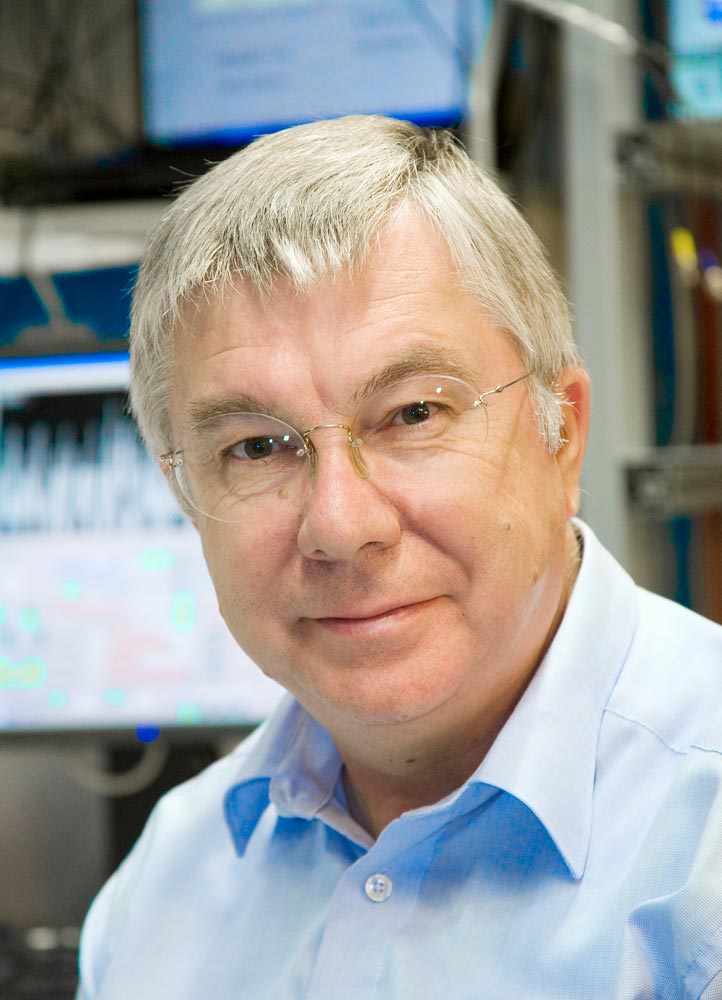
Rainer Blatt, Professor für Experimentalphysik an der Universität Innsbruck. © C. Lackner

© C. Lackner

Rainer Blatt, Professor of Experimental Physics at the University of Innsbruck.

About the person

Rainer Blatt has been Professor of Experimental Physics at the University of Innsbruck since 1995 and Scientific Director at the Institute for Quantum Optics and Quantum Information of the Austrian Academy of Sciences since 2003. Born in Idar-Oberstein in 1952, the researcher studied mathematics and physics in Mainz. His academic career then took him to Berlin, Hamburg and Göttingen. Formative for his work were research stays at the Joint Institute of Laboratory Astrophysics in Boulder/Colorado with John L. Hall, who received the Nobel Prize in Physics in 2005.

Professor Blatt has received many awards for his achievements in the field of quantum physics, including the International Quantum Communication Award in 2016 and, together with Anton Zeilinger and Peter Zoller, the prize of the Chinese Micius Quantum Foundation in 2019. Since 2021, in addition to his work in Innsbruck, the German-Austrian has coordinated Munich Quantum Valley, an initiative to expand quantum science in Bavaria. In 2021, Rainer Blatt was also appointed honorary professor at the Technical University of Munich as well as an external member of the Max Planck Institute for Quantum Optics in Garching near Munich. Professor Blatt has been associated with the GDNÄ for years as a guest speaker and author.

For further reading

For the commemorative publication on the 200th anniversary of the GDNÄ, Rainer Blatt wrote an article on quantum computers (Mit Quanten muss man rechnen). In it, the Innsbruck physics professor describes the current state of research and presents the work of his team at the University of Innsbruck.

>> „Mit Quanten muss man rechnen“ from the anniversary publication of the GDNÄ (PDF, German only)

At the 130th GDNÄ conferende in Saarbrücken 2018, Professor Blatt gave a lecture on "Quantum Physics - Arithmetic with Quantum Physics":

>> to the lecture of Professor Blatt (German only)

Further information:
RNA Medicine. Once underestimated, now a beacon of hope

RNA Medicine

Once underestimated, now a beacon of hope

In the Corona pandemic, mRNA vaccines proved their effectiveness and safety. They mark the beginning of a new era in medicine, says Würzburg infection biologist Jörg Vogel. He will describe the triumph of ribonucleic acid in therapy at the GDNÄ Annual Meeting in Leipzig – and here in an interview. 

Professor Vogel, one of the main topics of the anniversary meeting in Leipzig is RNA medicine. What makes this new therapeutic direction so interesting?
The well-founded hope that previously incurable diseases can finally be treated. This was triggered by the great success of mRNA vaccines in the Corona pandemic. Not only could the vaccines be developed very quickly, but they also proved to be highly effective and safe. There is currently an incredible sense of optimism worldwide; some are even talking about a medical revolution. The task now is to transfer the active principle to as many diseases as possible. 

Which diseases could be considered?
There are hardly any limits. Research is currently focusing on cancer and cardiovascular diseases. But other common diseases such as dementia are also possible candidates. And for numerous rare diseases, especially when they are caused by defects in a single gene, RNA medicine could finally bring a breakthrough. Some RNA drugs are already on the market in the EU, and I expect to see many new therapies soon. 

RNA seems to be an all-rounder. How does it manage that?
It has to do with its many capabilities, which have long been overlooked. In the past, almost everything focused on messenger RNA, or mRNA for short, a messenger molecule that carries genetic blueprints from the cell nucleus to the protein factories in the cytosol. In addition to tRNA, which has also been known for some time and which transports amino acids to the protein factories, the ribosomes, and rRNA, which is a component of these protein factories, many other classes of RNA have been discovered in recent years. They have been given names such as miRNA for micro-RNA or siRNA for small interfering RNA. More than a dozen different RNA classes are now known, and new ones are being added all the time. What is clear today is that RNA controls vital processes in cells, and errors in this control can cause disease. Or, to exaggerate a bit: RNA is the real player in our cells and organs.

Impressionen vom Vorbereitungstreffen des Schülerprogramms im Juni 2022 in Leipzig.

© SciGraphix/Sandy Westermann

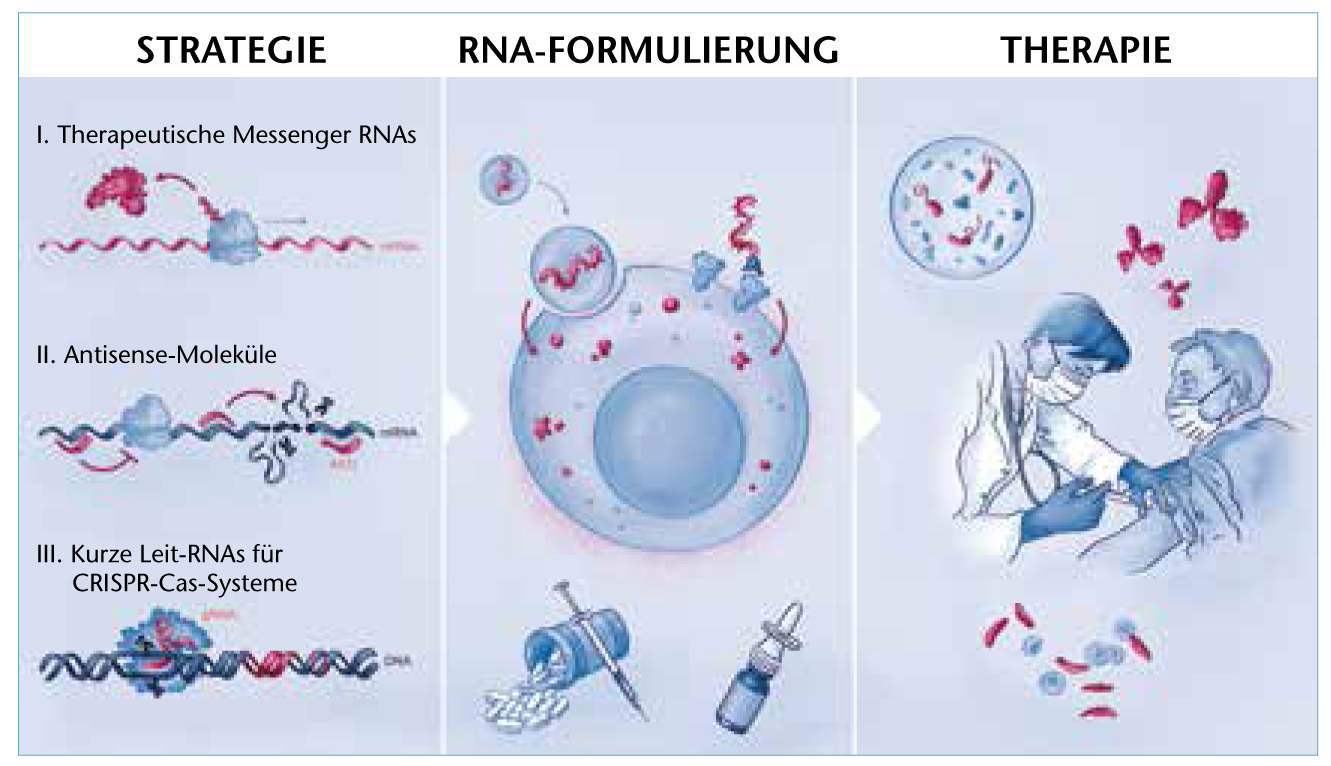
Modern RNA medicine uses therapeutic mRNA, antisense strategies and CRISPR-Cas systems, among others, to treat various diseases.

How can the miracle molecule be used medically?
In two ways: in modified form as a drug and, when it comes to the body's own RNA, as a target for tailored drugs. mRNA vaccines are a good example of the first mode of action. For example, Biontech/Pfizer's Corona vaccine contains a laboratory-generated mRNA variant of the spike protein of SARS-CoV-2. After vaccination, the body generates this spike protein variant, which elicits a strong immune response. The vaccine functions as an antigen that triggers the production of antibodies by the immune system. Similarly, it is hoped to stimulate the immune system to produce antibodies against cancer cells with the help of specifically modified RNA. Several studies are already underway. The lung cells of cystic fibrosis patients could also be modified using the CRISPR-Cas method so that they produce a vital protein in the correct form. It is not yet possible to predict which of these therapies will prevail from a medical and cost perspective. 

Please also explain the second active principle with an example.
In cardiac medicine, for example, research is being carried out to prevent the production of pathogenic proteins by artificially produced siRNA. To do this, RNA snippets are created in the laboratory that have a structure exactly complementary to the sequence of the body's own RNA – so-called antisense molecules. The idea is to couple them to small liposomes and inject them under the skin. These liposomes are to enter the heart to deliver their siRNA cargo into the cells. The cargo, the plan goes, docks with the body's own RNA and paralyzes it. In a similar way, non-coding RNA, which does not make proteins in the body but regulates many processes, could be directed in the desired direction when it malfunctions.  

In short, what can RNA medicine do that conventional drugs cannot?
One major advantage is programmability: active ingredients can be designed exactly as needed. Another advantage is speed. You can design a therapeutic on screen in minutes and then manufacture it quickly if the production capacity is there. Just think about mRNA vaccines, which were available very quickly.

Impressionen vom Vorbereitungstreffen des Schülerprogramms im Juni 2022 in Leipzig.

© RVZ

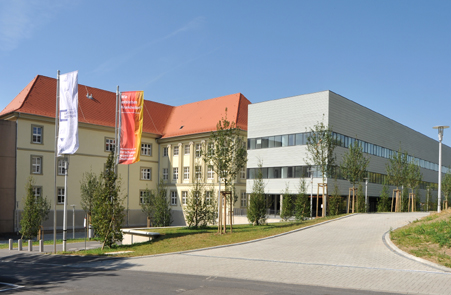
Old and new in aesthetic combination: The converted and expanded former Surgical Clinic of Würzburg University now houses two research centres, the Helmholtz Institute for RNA-based Infection Research and the Rudolf Virchow Centre for Experimental Biomedicine.

But do RNA therapies do exactly what they are supposed to?
They are very specific. Perhaps even more specific than conventional drugs that target proteins. This has to do with the exact base pairing in nucleic acids.

 And if serious side effects occur: Can the RNA be recovered?
We don't know exactly yet. So far, it hasn't been necessary because the mRNA quickly disappears from the body again. But we will have to think about something for the future. So far, it is only a research idea to create depots with replacement proteins in the body. But if this succeeds, we must of course have protective mechanisms ready in case of incompatibilities. However, I do not see a problem in principle, because an antidote could also be designed here. For example, an anti-CRISPR-Cas molecule that is administered on demand. 

Unlike today's drugs, RNA is very unstable. How do you prevent it from rapidly decaying in the body and becoming ineffective?
To do that, you have to change its chemical structure. The mRNA vaccine again provides a fitting example. The fact that it works so well is thanks to biochemist Katalin Karikó. Together with immunologist Drew Weissmann, she incorporated a variant of the base uridine, pseudouridine, into the mRNA well in advance. This not only makes the molecule more stable and efficient, it also reduces the risk of immune system overreactions.  

A pioneering achievement that made the saving vaccines possible in the first place?
Yes, and certainly worthy of a Nobel Prize. If you contrast experiments with non-modified mRNA, it shows that it can't be done without this modification. That's the reason why some other vaccine candidates have failed so far.  

Let's clarify a few technical issues. RNA molecules are large and very negatively charged. How do you get them where you want them in the body?
In the case of mRNA vaccination, this works very well: the vaccine injected into the upper arm muscle is taken up by certain immune cells in the muscle and from there leads directly to an immune response. However, as already mentioned, depots near target organs such as the lungs, liver or kidneys are also being considered. Sprays are also under discussion. Overall, this is a big research topic right now. Compliance is also always important: How well is the therapy accepted by patients and how do they stick to it – all this plays a role.  

Today, RNA molecules are mainly packaged in lipids in order to smuggle them into the cells. Is this the best method?
At present, yes. Nanocages, which can be thought of as cages made of DNA for transporting RNA, are also being tested. The most important thing is to protect the comparatively large RNA molecules from attacks by the immune system and degradation by enzymes – all methods must be measured against these criteria.  

How long does the effect of RNA therapy last?
That depends on the technology. In mRNA therapy, similar to Corona vaccination, the protein is produced for a few days after administration – after which the mRNA is degraded. The protein, in turn, can exist in the body for days to weeks and exert its effect until it is then also degraded. For example, in the treatment of spinal muscular atrophy SMA, the drugs that promote mRNA maturation must be given every two to four months.  

How far along is testing in humans?
Among the most advanced is a CRISPR-Cas trial of an RNA agent to treat the inherited disease beta-thalassemia. Until now, patients have required regular blood transfusions. If the new therapy proves successful, that will no longer be necessary. Then their bodies will produce the missing hemoglobin. New mRNA-based vaccines are also undergoing clinical trials, for example against influenza or malaria.

Impressionen vom Vorbereitungstreffen des Schülerprogramms im Juni 2022 in Leipzig.

© HIRI / Luisa Macharowsky

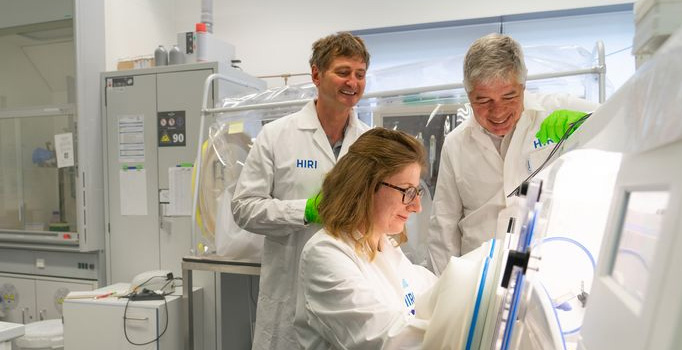
At the anaerobic workbench in the laboratory of the Helmholtz Institute for Infection Research with Professor Jörg Vogel (left).

Why has RNA medicine only now become a big topic?
It took the pandemic to build up pressure. It provided the necessary push and showed that mRNA vaccines and RNA medicine as a whole are effective and safe. 

You are considered a pioneer in RNA medicine. What brought you in this direction?
I studied biochemistry and worked in molecular biology laboratories as a student, including in plant genetics. I then also did my doctorate there, on molecular mechanisms of catalytic RNA molecules in barley chloroplasts.

You have headed the Helmholtz Institute for RNA-based Infection Research for more than five years. Where do you stand today? The institute has developed magnificently, in parallel with the growing importance of RNA research. When we started out, the topic of vaccines was still primarily thought of as proteins as active agents, not RNA. That has changed dramatically in recent years. Today, innovations are expected primarily from RNA research. At our institute, we benefit greatly from high-throughput sequencing: This allows us to look inside the cells as if with a microscope and see which RNA is currently being produced. Meanwhile, we're also pretty good at modifying RNA to make it medically useful.  

Is medical utility a big issue with you?
When it comes to new approaches, yes. But we are basic researchers. Further development is a matter for industry. 

Does your institute work with pharmaceutical companies?
So far, hardly at all, but that is set to change. We are currently preparing the first spin-off. It involves RNA-based diagnostics and tests that can detect many different pathogens simultaneously. 

There is still no cure for the common cold. Will RNA medicine be able to cope with it?
Why not? We already have ideas!  

A shorter version of this interview can be found in the publication for the 200th anniversary of the GDNÄ: Wenn der Funke überspringt, Leipzig 2022, ISBN 978-3-95415-130-1.

Impressionen vom Vorbereitungstreffen des Schülerprogramms im Juni 2022 in Leipzig.

© HIRI

RNA biology is his main research focus: Professor Jörg Vogel

About the person

Jörg Vogel is Professor of Molecular Infection Biology and founding director of the Helmholtz Institute for RNA-based Infection Research (HIRI) in Würzburg. The institute is operated as a site of the Braunschweig Helmholtz Centre for Infection Research together with the University of Würzburg. It is the world's first institute to bring together RNA biology and infection research. In parallel, Jörg Vogel heads the Institute for Molecular Infection Biology at the University of Würzburg. In 2017, he received the Leibniz Prize of the German Research Foundation for his work on RNA biology.

Ribonucleic acid (RNA)

As mRNA, ribonucleic acid (RNA) ensures that the information stored in DNA is converted into the proteins necessary for life. Other RNA classes regulate the activity of genes or have catalytic functions. RNA is similar in structure to DNA. Unlike DNA, it is usually single-stranded, which makes it less stable but also more chemically versatile than DNA. Chemical evolution on earth began with RNA – all organisms probably evolved from it. 

Jörg Junhold: “We open windows into nature”

"We open windows into nature"

How Jörg Junhold modernised Leipzig Zoo from the ground up and opened many doors for the GDNÄ in his home town. His commitment makes the 200th anniversary a glittering celebration. 

Professor Junhold, the anniversary meeting of the GDNÄ is approaching. What does the scientific meeting mean for your zoo? 
It is a great honour for us and we are very happy that the GDNÄ is returning to its founding site for the 200th anniversary. After all, the meeting will take place in the immediate vicinity, in the Congress Hall at Leipzig Zoo. Of course, we hope that many conference visitors will take the opportunity to drop in on us – everyone is cordially invited. We are also part of the official programme: the traditional evening reception for the speakers and sponsors of the conference will take place in our tropical experience world Gondwanaland, in the presence of the Mayor of Leipzig, Burkhard Jung.

Museumsinsel Ansicht Herbst © Deutsches Museum

© Zoo Leipzig

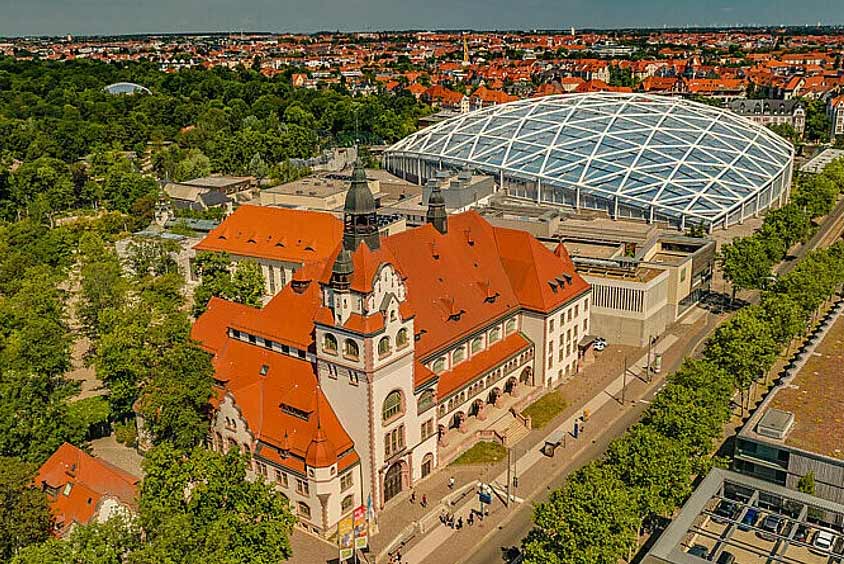
The Congress Hall, where the GDNÄ is celebrating its 200th anniversary, is right next to Leipzig Zoo.

You are not only the host during the conference, you are also represented on the board of the GDNÄ. How can we imagine your work there?
We have been working towards the meeting in the Board for two years, with regular meetings, which mostly took place digitally due to the pandemic. I was very warmly welcomed and it was great fun to work with so many bright minds. As Managing Director Economy, it was my task in the preparatory phase to open doors for the GDNÄ here in Leipzig and to win sponsors for the conference.

Looking at the programme, you have succeeded well. What is your secret? 
There is no big secret. I am an enthusiastic Leipziger, have lived in the city since 1985 and am involved in many committees here. For example, in city marketing, on the university council or, for the past twenty years, on the board of the Cultural Foundation. In addition, the people of Leipzig love their zoo, it is really supported by the citizens and this then also radiates onto our concerns and projects. 

You started as director of Leipzig Zoo on 1 November 1997. That was almost a quarter of a century ago. How did you find the zoo back then? 
It was in a very difficult situation. The animal facilities were completely outdated, visitor numbers were in sharp decline and the finances were a disaster. The zoo was threatened with gradual closure. 

Not a rosy starting position for a new director. Why did you take on the job anyway? 
Because I saw a huge opportunity for the zoo. And I was incredibly excited to be able to help shape the city's transformation.

Lesesaal des Archivs © Deutsches Museum

© Zoo Leipzig

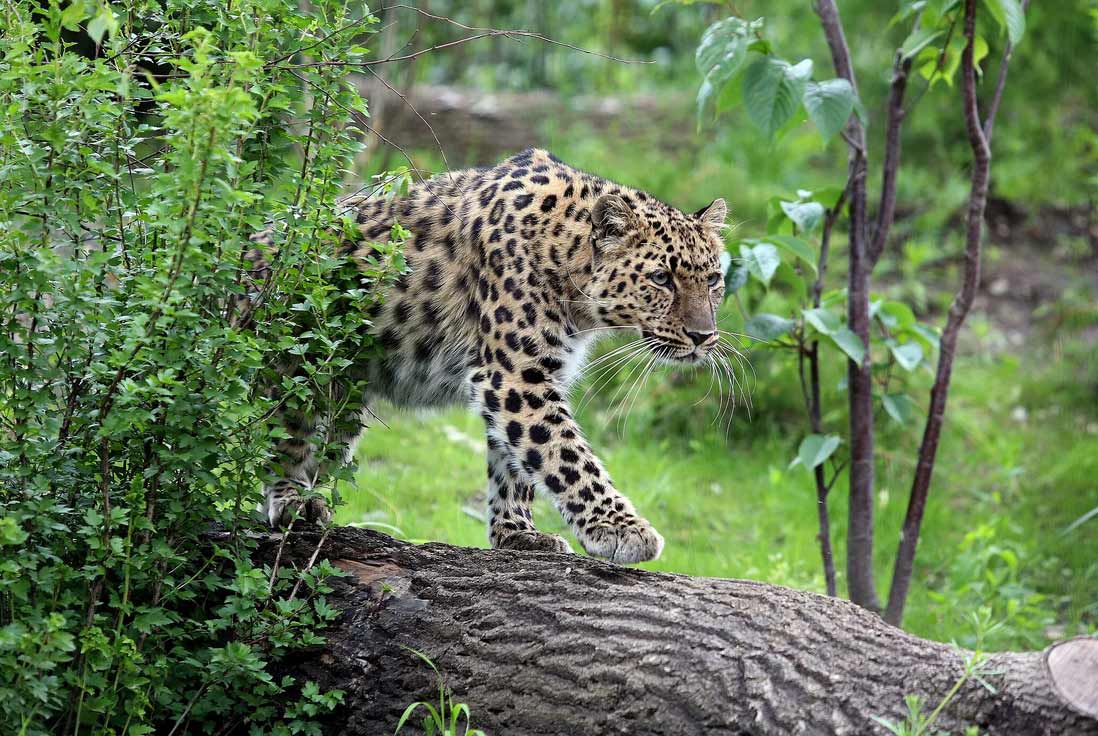
An Amur leopard goes on the prowl in Leopard Valley at Leipzig Zoo.

Where is your zoo today?
It has been completely redesigned and enjoys a great reputation, both among visitors and among experts – I can say that without exaggeration. Our zoo is now a popular leisure venue and is often booked for events, from weddings to elegant receptions to corporate events. All of this increases Leipzig's attractiveness as a tourist destination, trade fair city and economic centre far beyond the borders of central Germany.  

How has this been achieved? 
Our "Zoo of the Future" master plan plays a central role. When I took up my post in 1997, I requested some time from the city of Leipzig to develop a renewal concept. We then worked on it with a small team in a good two years and presented it on 14 June 2000. I will never forget that day: Our vision of a modern zoo that meets animal needs at the highest level, opens a window to nature for visitors and at the same time convinces as an excellent host was unanimously accepted by the city council. For us, this was an enormous incentive and since then we have been implementing the master plan step by step.

Lesesaal des Archivs © Deutsches Museum

© Zoo Leipzig

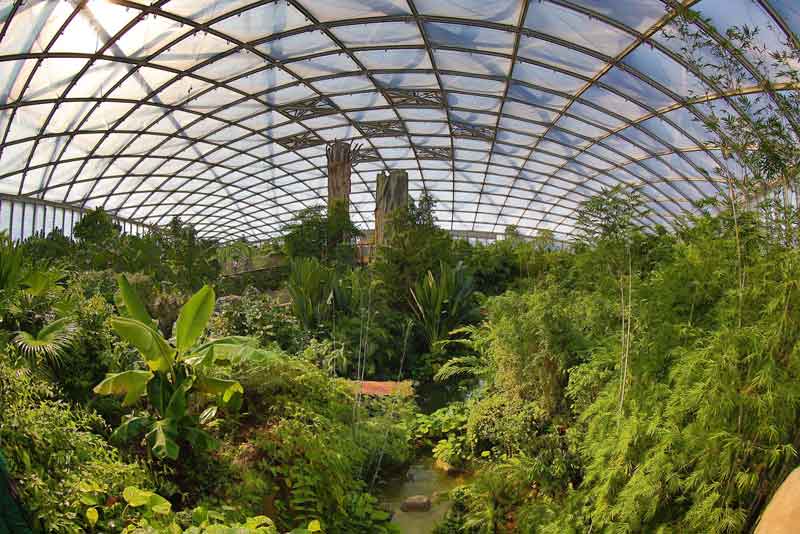
Around two hundred animal species from Asia, Africa and South America live in the Gondwanaland tropical adventure world, which opened in 2011.

What have you achieved, what remains to be done? 
Fortunately, most of it has been achieved. One milestone was the opening of the Gondwanaland tropical adventure world in 2011. This is a huge hall with many thousands of tropical plants, almost two hundred exotic animal species and a pristine rainforest like the one that shaped the primeval continent of Gondwana. Gondwanaland is our showcase project and has brought us international recognition. Another example is the world's unique ape enclosure Pongoland, which we created in cooperation with the Max Planck Institute for Evolutionary Anthropology, also based in Leipzig. This year we were able to open the redesigned aquarium and in 2023 we will present a completely modernised terrarium. Intensive work is also being done on the Tierra del Fuego project with a walk-through underwater tunnel where visitors can experience penguins and seals as if they were diving. The Asian Island World with numerous aviaries and a crane facility will be the finale. 

Allow us a look behind the scenes: How do projects like this come about? 
Thank you for the question, because this creative process is what I love the most. We have a small development team consisting of veterinarians, biologists and architects. When we have a new project, we look around the world, get inspired by solutions from other zoos and develop our own ideas. Money doesn't play a role in the beginning, the ideas should bubble up first – the plans can always be trimmed down later. 

There is a lot of public discussion today about biodiversity and species protection. What role do these topics play for your zoo? 
A very big one – not only for us, but for modern zoos all over the world. Habitats for wild animals are shrinking everywhere and the social importance of zoos as centres of nature and species conservation is growing accordingly. Our populations are self-sustaining, which means: we no longer take animals from the wild, but manage our animal populations through so-called conservation breeding programmes in which zoos worldwide participate. For many endangered species, we house reserve populations and have the necessary expertise to treat sick animals, whether in the zoo or in the wild. And, most importantly, we raise awareness of the biodiversity crisis and encourage people to do something about it. 

Is your zoo also involved in science? 
Yes, that is actually a major concern for us. We run long-term species conservation projects that are intensively monitored scientifically. In Vietnam, for example, in the Cuc Phuong National Park. There, we are preparing langurs that were confiscated from illegal captivity for reintroduction into the wild. These leaf-eating primates are endemic to Vietnam and have become rare. In Chile, we maintain a breeding station for an endangered frog species together with the University of Concepción. Overall, we see ourselves as a scientifically working zoo, managed by biologists and veterinarians as a non-profit institution and thus meeting the quality criteria of the World Zoo Association. Commercially oriented safari parks do not meet these standards.

Lesesaal des Archivs © Deutsches Museum

© Zoo Leipzig

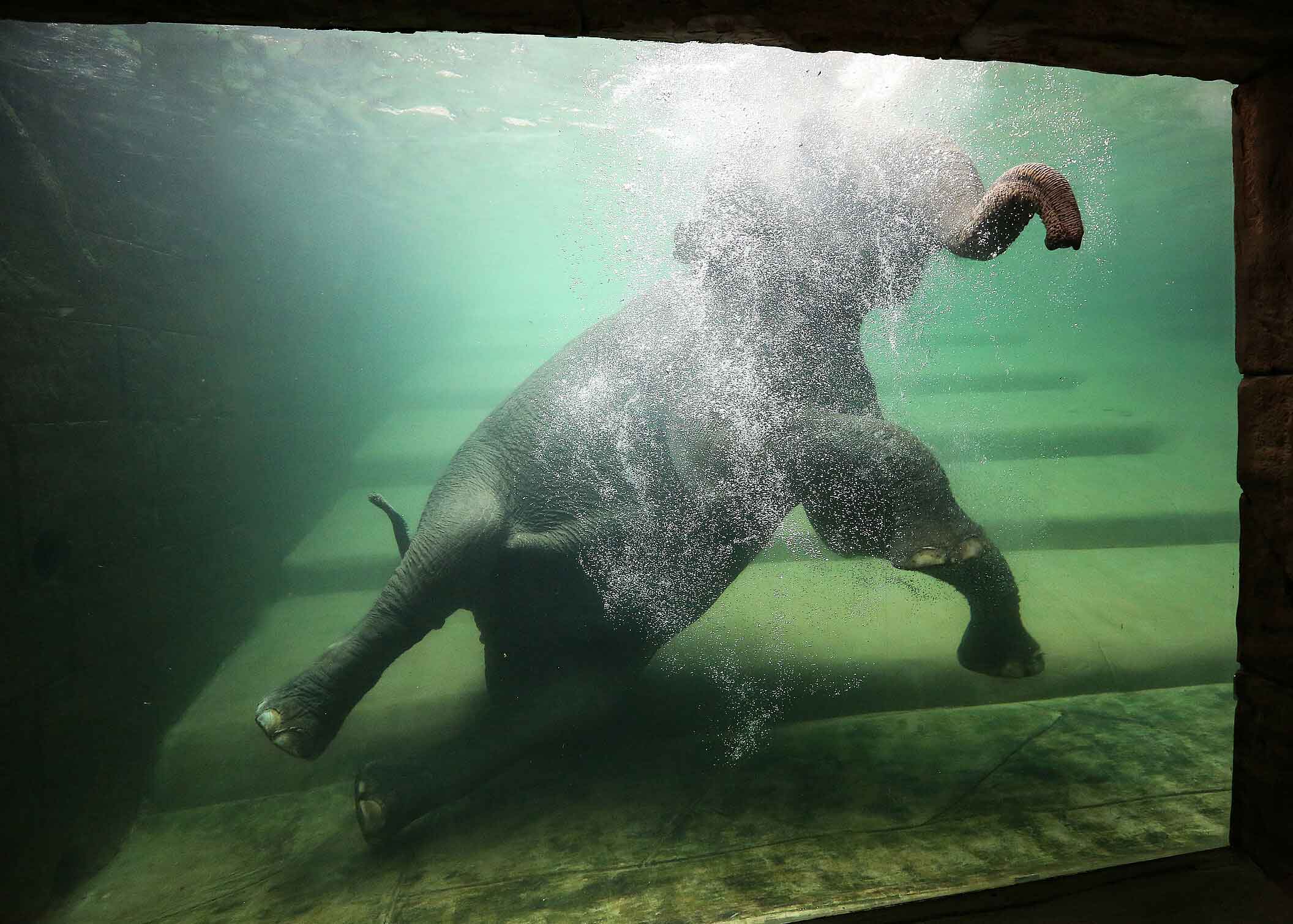
Dive in the elephant temple Ganesha Mandir.

You have headed the International Zoo Association, are on the board of the European Zoo Association and now head the German Zoo Association. What do you gain from this work? 
It broadens your horizons, sharpens your eye for the essentials and leads to many good contacts. In the meantime, the international zoo world comes and goes here in Leipzig – and that has a lot to do with the committee work. 

Where does Leipzig Zoo rank today in international comparison? 
We belong to the top group. In the Europe-wide zoo ranking by the British expert Anthony Sheridan, we are currently in second place behind Vienna and ahead of Zurich, and we are number one in Germany. 

In a few years, the master plan will be completed. Is your zoo's 150th birthday in 2028 the next major project? 
We will of course celebrate the birthday in a big way, together with our visitors. There are already many ideas – let us surprise you.

Matthias Röschner © Deutsches Museum

© Zoo Leipzig

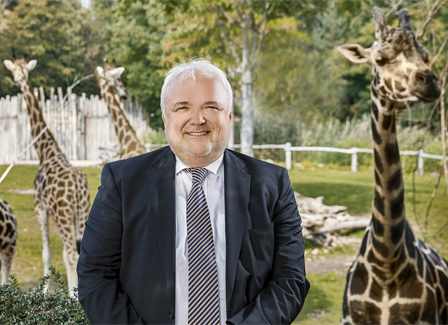
Professor Jörg Junhold

About the person

Professor Jörg Junhold has been Managing Director and Director of Leipzig Zoo since 1997. The now 58-year-old comes from the Brandenburg town of Ortrand and studied veterinary medicine in Leipzig, where he received his doctorate in 1994. At that time, the licensed veterinarian was already working for Europe's largest manufacturer of animal feed, Effem GmbH  – initially in field sales, later in marketing. In 1997 he was appointed head of Leipzig Zoo. His strategic concept "Zoo of the Future", presented in June 2000, is still groundbreaking today. Since 2013, Jörg Junhold has been an honorary professor at the Faculty of Veterinary Medicine at Leipzig University. He has received several awards, including the Order of Merit of the Free State of Saxony. Junhold was president of the international umbrella organisation of larger zoos and aquariums, the World Association of Zoos and Aquaria, and its European counterpart. He has been President of the Association of Zoological Gardens in Germany since 2019.

Archivplakat © Deutsches Museum

© Zoo Leipzig

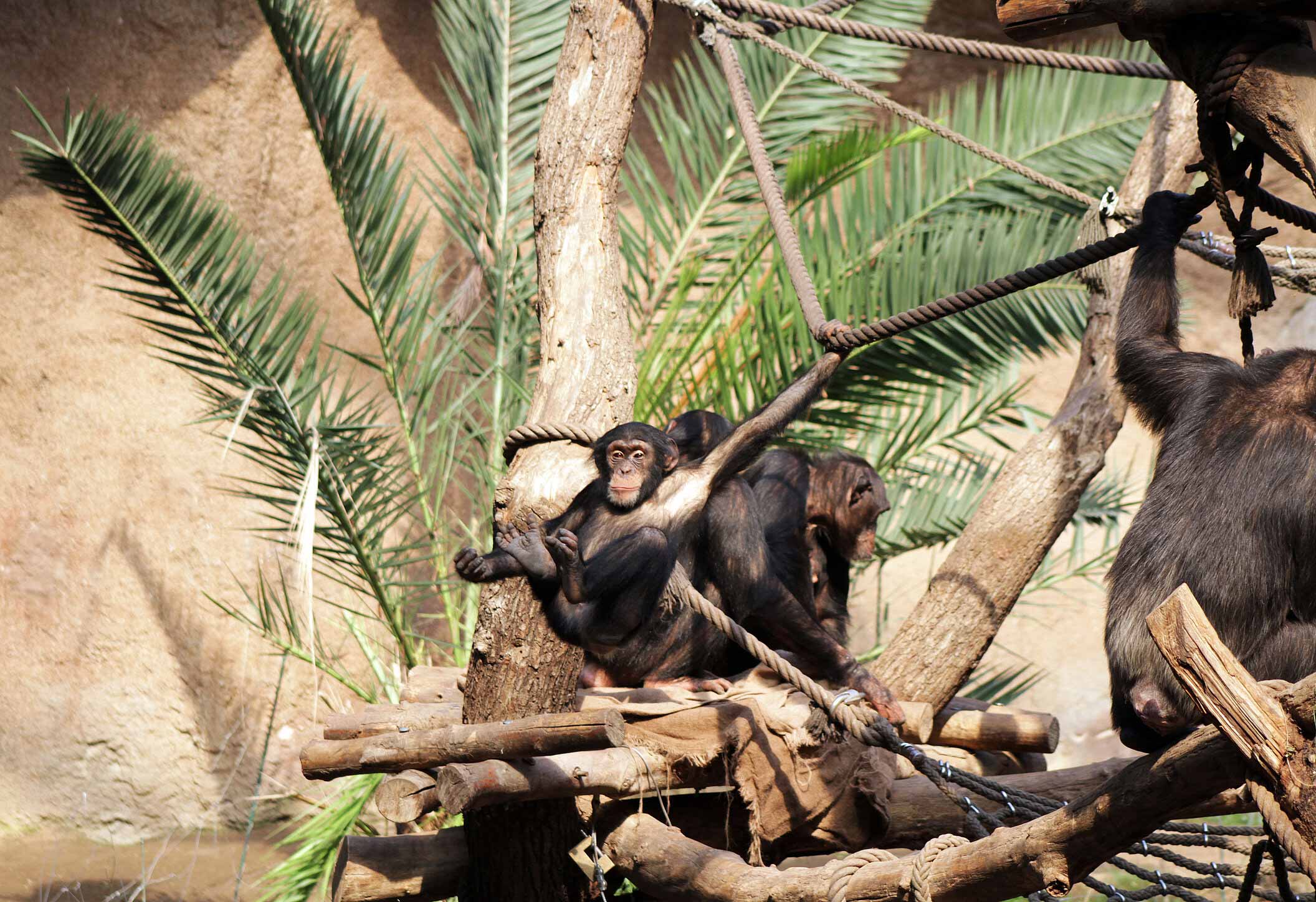
Chimpanzee cubs in Pongoland

Leipzig Zoo in figures

Founded: in 1878 by Ernst Pinkert 
Area: 27 hectares, including 2.1 hectares of water area
Staff: around 260
Animal species: about 630
Investments: 200 million euros (2000-2021)
Visitor numbers: around two million a year
(status: beginning of 2022)

Further information:

Archivplakat © Deutsches Museum

© Zoo Leipzig

Frolicking lion cubs.

Dr. Matthias Röschner: “We are digitizing on a grand scale”

"We are digitizing on a grand scale"

Dr. Matthias Röschner on the online future of the GDNÄ archive, important research questions and highlights of the collection. 

Dr. Röschner, your first year as head of archives at the Deutsches Museum is up – how are you doing in your new position?
Since I had already been working in the archive since 2009, the transition to head of the archive has been fairly smooth. Of course, my main tasks have shifted and increased, but my predecessor Dr. Füßl prepared me wonderfully. So I am looking forward to continuing to shape the future of the archive together with a highly motivated team.  

How can we imagine your job?
It is more varied than some might think. I am involved in all processes in the archive – from acquiring archival materials to organizing their indexing, from conservation measures and digitization to coordinating their use. In addition to research, public relations work is also very close to my heart: I give lectures, offer guided tours and write generally understandable articles in order to familiarize interested people with the archive work and our valuable archival records. I spend a lot of time answering scientific inquiries.  

Can you explain this with an example?
For example, if a researcher from Berlin asks what sources we have on the professionalization of engineering at the end of the 19th century, I use my knowledge of the holdings to research the estate records of Rudolf Diesel, Oskar von Miller, Franz Reuleaux, Walther von Dyck and others, for example, and send her lists of relevant archival records. The researcher is thus well prepared for a successful visit to our reading room in Munich. 

Quite a workload for a full-time position...
...there is still a lot to do. For example, the important committee work, for example within the framework of the Leibniz Association, the Bavarian Archive Day or in the Munich Archive Circle, and cross-sectional tasks such as personnel management and maintaining contacts with universities and institutes of the history of science. For the GDNÄ, I regularly comb through scholarly antiquarian bookshops and auction catalogs and follow up on promising leads in order to be able to add to what is missing. 

With success?
Yes, absolutely. For example, we were able to acquire some original documents from the 19th century and the first half of the 20th century from the private collections of board members. But there are still large gaps, mainly due to the old archive that was confiscated by the Soviets towards the end of the Second World War and has since disappeared.

Museumsinsel Ansicht Herbst © Deutsches Museum

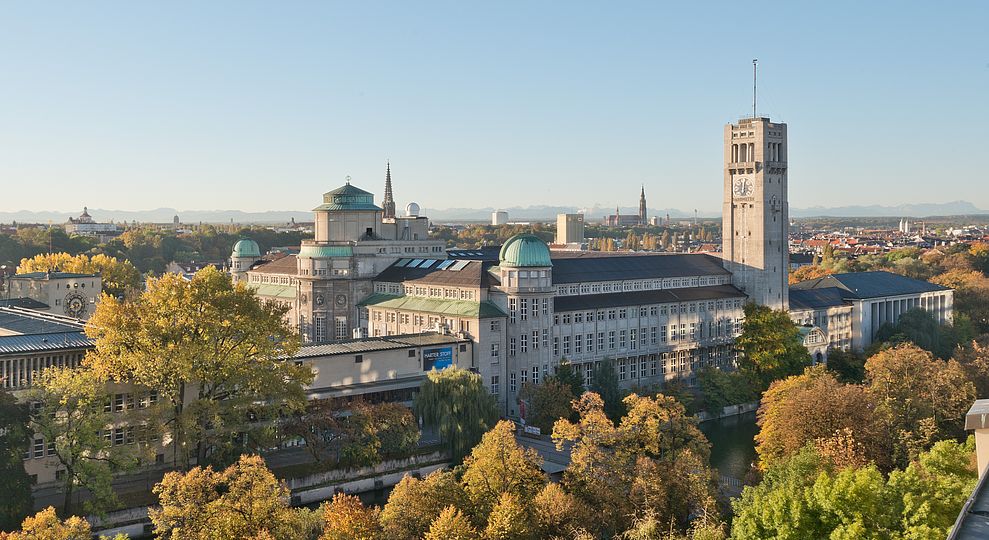
In autumnal light: the exhibition building on Munich's Museum Island. © Deutsches Museum

Your predecessor, Dr. Füßl, repeatedly campaigned for the return of the collection. Will you do the same?
Yes, we will of course continue to keep an eye on it. But I don't think we will reach our goal quickly. The Ukraine war further darkens the prospects.  

What is the importance of the GDNÄ archive for your institution?
The GDNÄ is the oldest interdisciplinary scientific society in Germany and the mother of renowned professional societies in Germany and abroad – its archive is therefore of great national importance. In addition: Unlike other scientific institutions whose archives were completely destroyed during World War II, at least some historical pieces from the early days have been preserved by the GDNÄ. 

What is particularly impressive?
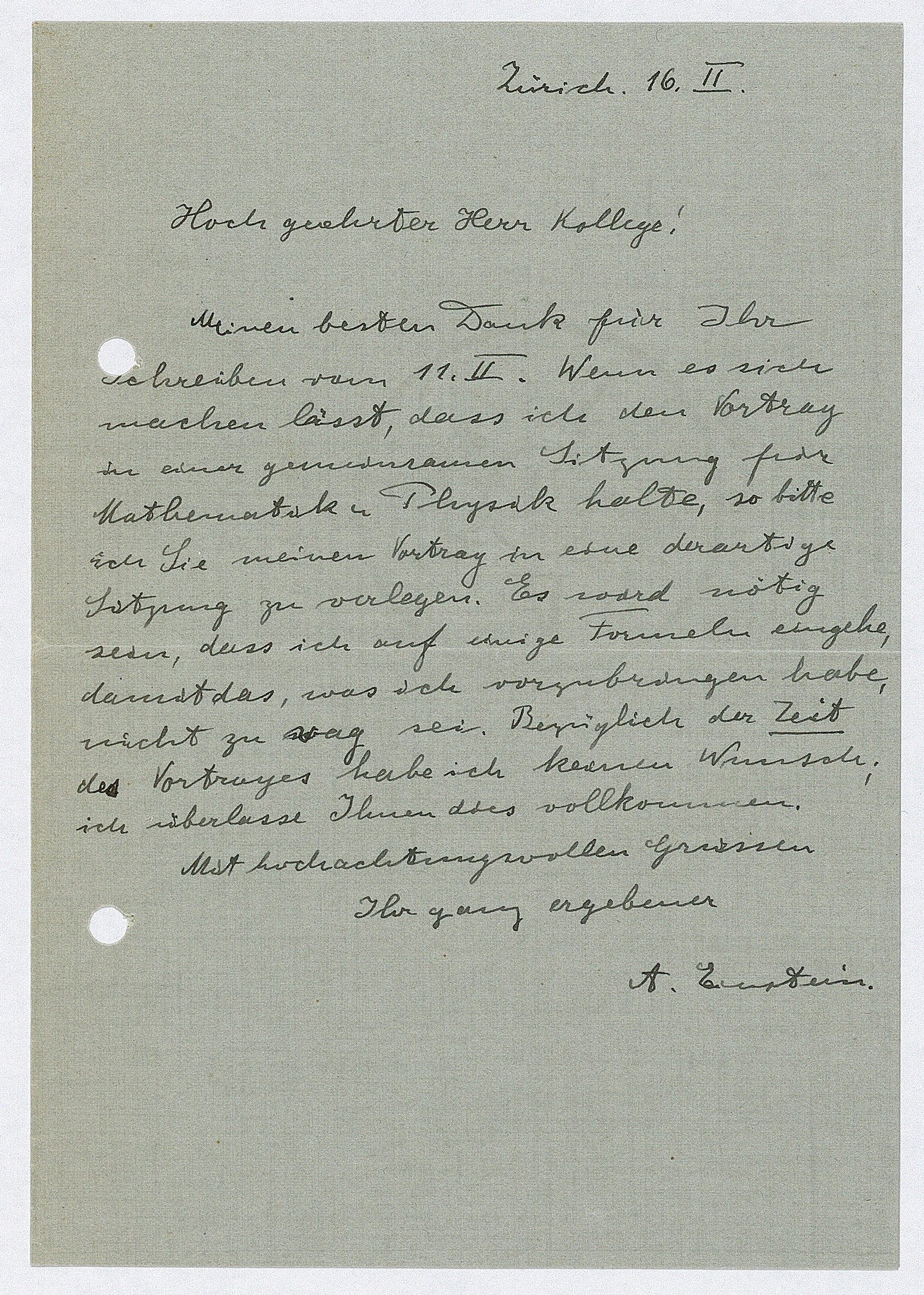
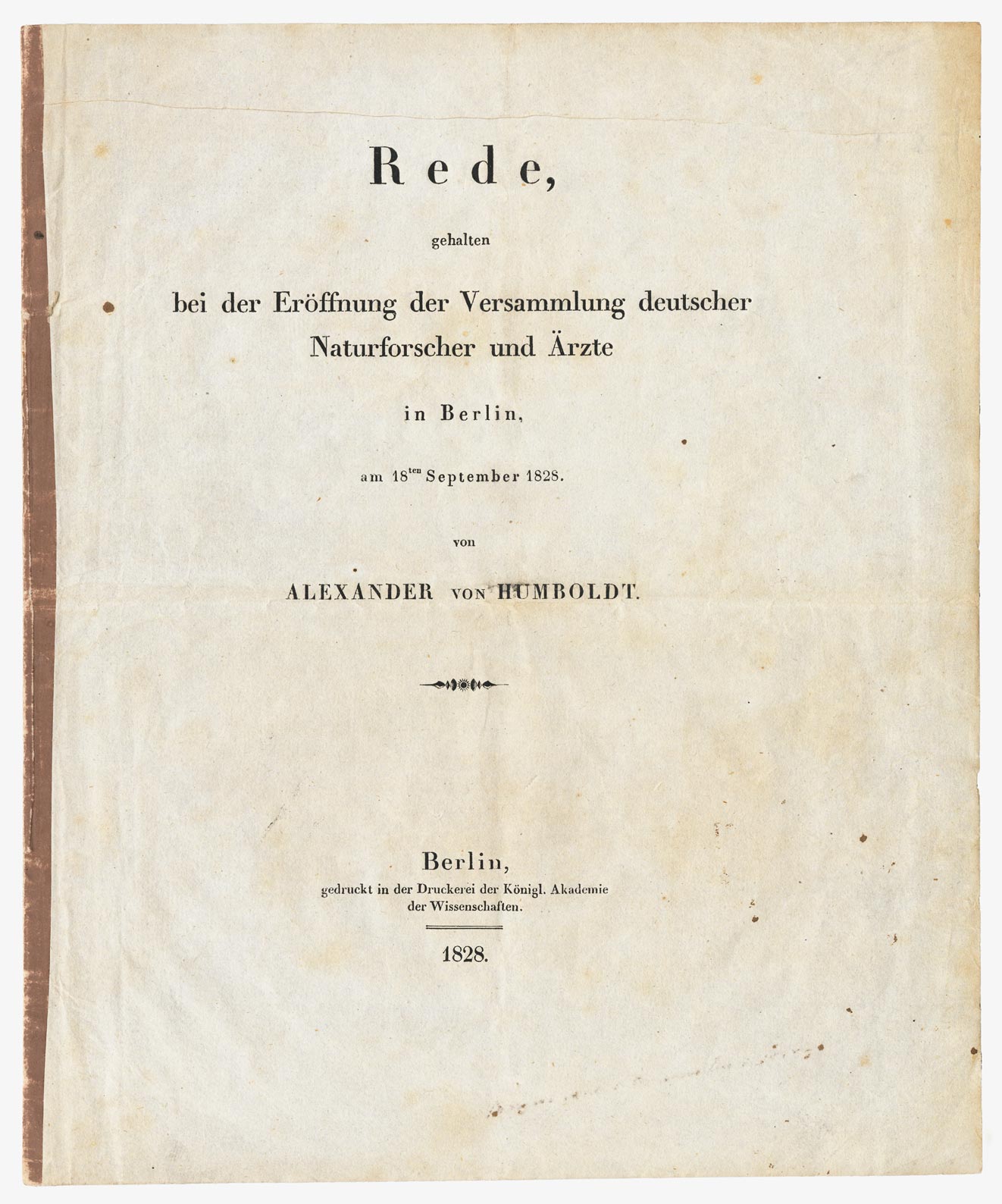
For example, the nine-page print of a speech from 1828 in which Alexander von Humboldt promoted the establishment of sections and thus initiated the first major reform of the GDNÄ. Or the handwritten list of participants from the 1834 meeting in Stuttgart. Albert Einstein's letter from 1913 is also very impressive. In it, the physicist asks to be allowed to give his lecture in a joint session for mathematics and physics, as he is going into "some formulas so that what I have to present is not too vag[e]." 

On the Internet, you can still hardly find anything about the GDNÄ archive in the Deutsches Museum. Do you want to change that?
Yes, we are in the process of digitizing our holdings on a large scale. In the next few years, you will be able to find indexing data for all archival materials on the web, with information on title, scope and chronological classification. This will enable worldwide research on topics, persons, institutions and companies – and links to other estates and holdings that would be inconceivable in the analog world. We will also offer digital copies of the archival records online, provided there are no copyright objections. This applies, for example, to the assembly reports from 1822 to 1900, with which I would like to do a separate project of digitization followed by full text recognition. 

That sounds exciting, but also like a lot of work. How big is your team?
There are eleven archivists working with me, who have plenty to do even without additional projects. However, we are actively supported by our in-house "Deutsches Museum Digital" initiative. It is in the process of making the museum's scientific holdings and object collections publicly available via a central online portal. By 2025 at the latest, on the centenary of the opening of Munich's Museum Island, the goal is to be able to search all available data and digitized material on the Internet.

Lesesaal des Archivs © Deutsches Museum

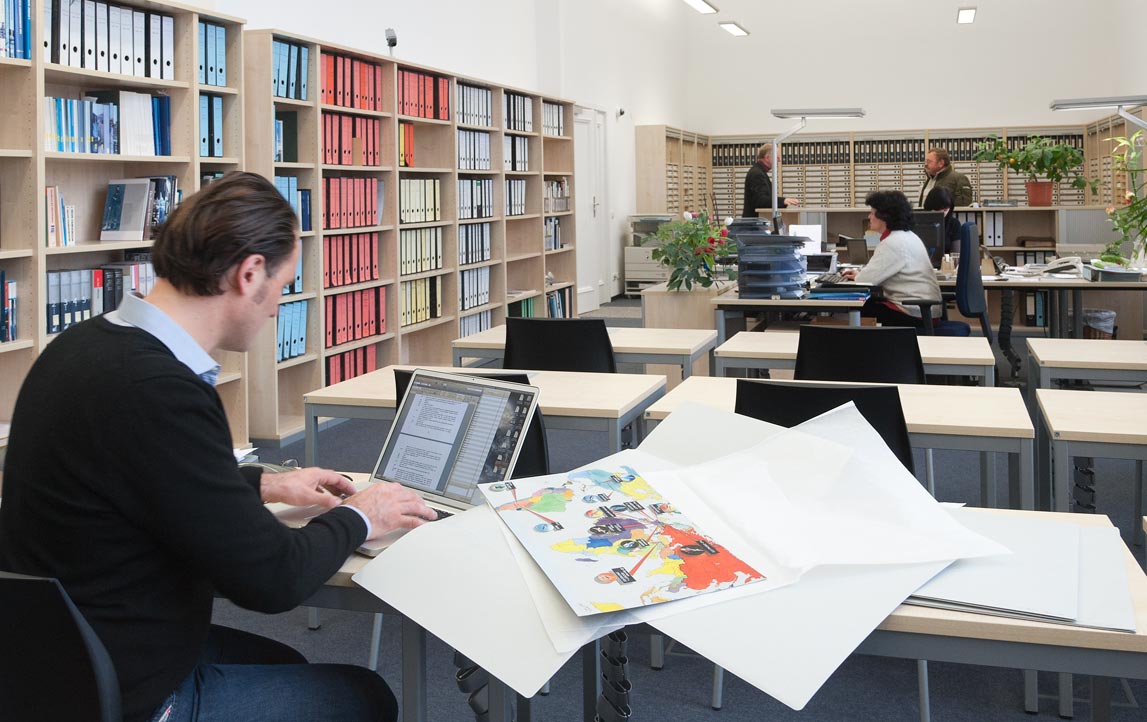
Space for concentrated work: the reading room of the archive. © DMA CD 65461a

Do you still find time for your own research?
Less than before, but I am currently very interested in provenance research. That is, how and under what circumstances did objects and archival materials come to the Deutsches Museum? There is a cross-departmental working group in the museum that is investigating these research questions and which I coordinate together with a colleague from the area of object collections. The archive plays a key role in this, because this is where the museum's historical administrative files are kept. A joint publication is also planned, in which I would like to contribute with the provenance of archive holdings.

What open research questions do you see when you think about the recent history of the GDNÄ?
There are quite a few, for example: How did the GDNÄ manage to gain a foothold in the Federal Republic after the war? What personal and thematic continuities are there between the Nazi and post-war periods? The topic of women and the GDNÄ has hardly been dealt with. I am convinced that the documents available to us would yield a great deal for such research.

Your institute will have an exhibition booth at the anniversary meeting in Leipzig. What can visitors expect?
We will be showing some of the highlights of the GDNÄ archive in a poster exhibition, including the medal for the centenary of the GDNÄ with a portrait of Lorenz Oken on the front and a city view of Leipzig on the back, and also the commemorative publication for the Leipzig meeting in 1922. Also on display will be artfully designed Art Nouveau publications from the early 20th century and the Einstein letter mentioned above. We are happy to be available for discussions and look forward to receiving tips on interesting new documents for the collection. You can find us in the Market of Sciences in the basement of the Leipzig Congress Hall, where several scientific institutes from Leipzig will also have booths.

What you tell us about your work does not fit at all with the ideas of dusty files and sleeve protectors that many lay people associate with your profession. What encouraged you as a young person to go in this direction?
Even during my history studies, I was fascinated by the – literally – unique archive sources. There is something very special about working with letters, notebooks, reports, and drawings that exist only once and that often only one person before me, the scribe, held in his or her hands. I found out in several internships that the profession is very future-oriented and involves a lot of responsibility. For only those records that the archivist evaluates as "worthy of archiving" and then actually takes into the archive will be available to future generations. As an archivist, I can not only discover the fascination of the original for myself, but also pass it on to others. In addition to my task of acquiring and preserving historical sources, I see myself above all as a mediator of information and a builder of bridges between history and the present.

Matthias Röschner © Deutsches Museum

Matthias Röschner. © Private

About the person

Dr. Matthias Röschner is head of the Archive Department of the Deutsches Museum in Munich.  Previously, he was deputy to Dr. Wilhelm Füßl, who retired in 2021. Röschner comes from southern Hesse, studied Latin and history, and received his doctorate in 2001 with a study on hospital history. He then completed an archival clerkship and worked at the Ludwigsburg State Archives from 2004 to 2009. In his research, Matthias Röschner deals, for example, with the history of the Deutsches Museum, the provenance of archival holdings and colonial traces in the archives of the Leibniz Association. He is the responsible editor of "ARCHIV-info", the archive journal of the Deutsches Museum.

Archivplakat © Deutsches Museum

In preparation for the 85th GDNÄ meeting in Vienna in 1913: handwritten letter from Albert Einstein, who was invited to speak. © DMA FA 016 vorl. Nr. 1042

Further information:

Archivplakat © Deutsches Museum

Title page of Alexander v. Humboldt's famous speech to the Assembly of German Naturalists and Physicians in Berlin in 1828. © DMA CD 86986

Archivplakat © Deutsches Museum

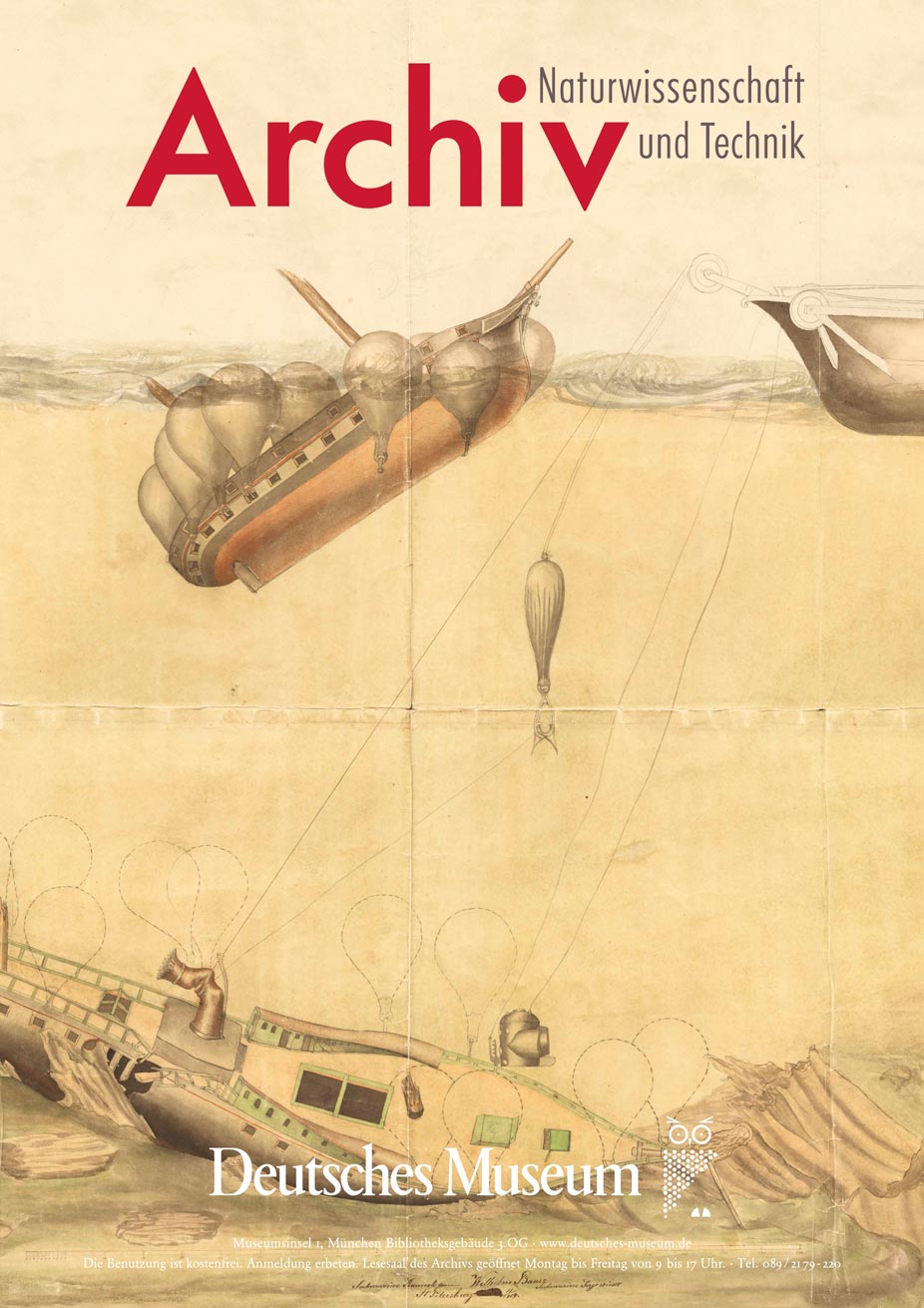
Poster of the archive in the Deutsches Museum @ DMA CD 71578

Eva-Maria Neher: “Ambitious research, presented from a qualified source”.

"Ambitious research, presented from a qualified source"

Promoting young research talent is particularly close to the heart of biochemist Eva-Maria Neher. She founded the Göttingen Experimental Laboratory for Young People (XLAB) and gave decisive impetus to the GDNÄ's student programme. 

Professor Neher, you have been involved with the GDNÄ for many years: for the student programme, in committee work and, a few years ago, as president. What drives you?
Clearly my love of science, especially the natural sciences. I am interested in many fields, but today it is almost impossible to keep up to date everywhere. That's where the GDNÄ comes in handy: at its conferences, it brings together top-class scientists from different disciplines who present the latest research as if on a silver platter – you just have to grab it. 

When was the first time you had this silver platter experience?
It was, I can still remember it well, at the 2004 meeting in Passau. It was under the motto "Space, Time, Matter". I was thrilled by the lectures, by the stimulating atmosphere and became a member shortly afterwards.

Saarbrücken 2018 © Robertus Koppies

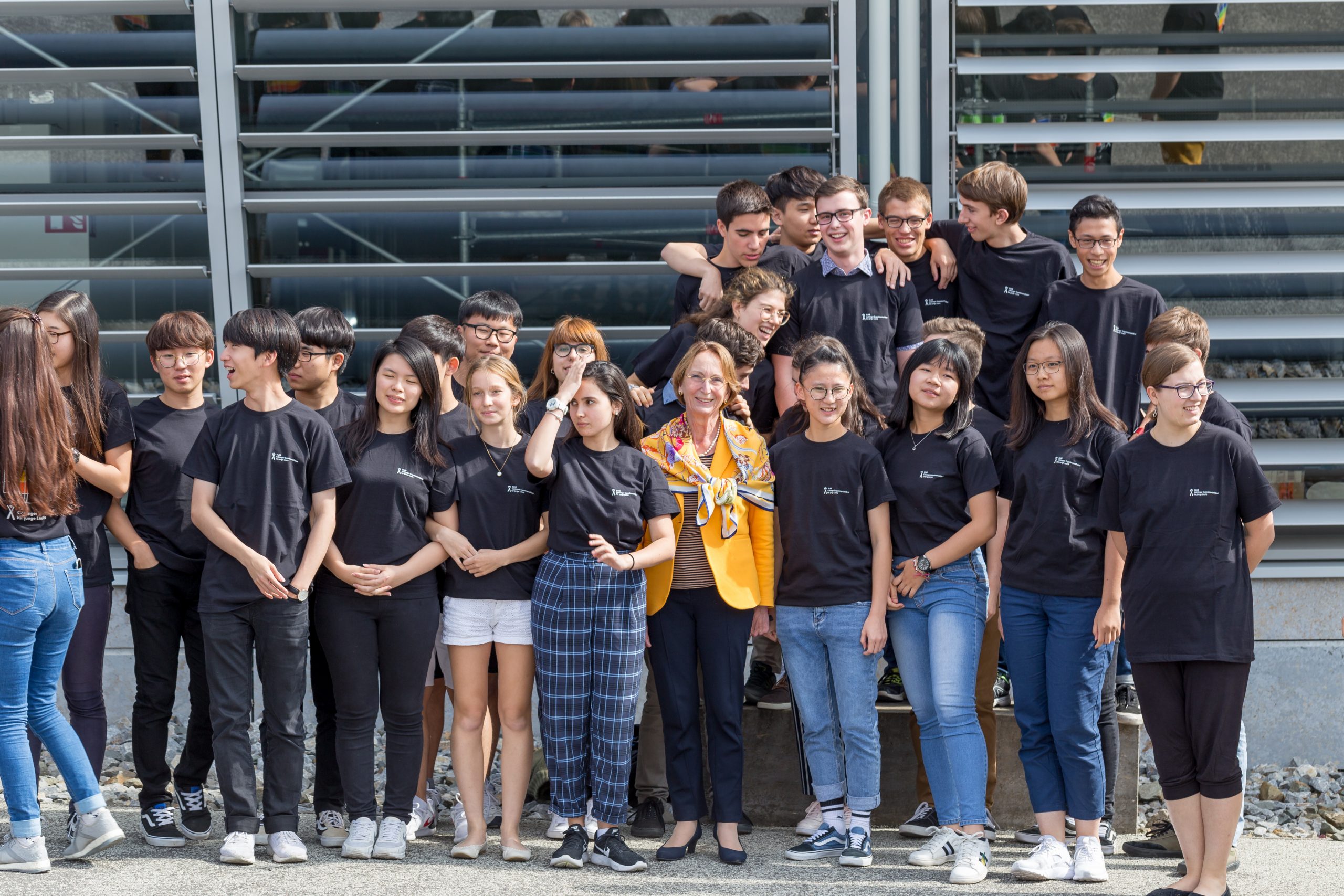
The XLAB attracts young talent from all over the world.  © Sven Dräger

That was the time when you also set up and ran the experimental laboratory for young people XLAB in Göttingen – a very active time.
For me it was a period of big changes. After a scientific career that had just begun, I had to take a long family break with five children – nine years in total. After that, I really wanted to return to science. But in the 1990s there was practically no chance of returning to research. So I looked for other ways and developed plans for a laboratory where students in grades 11 and 13 could experiment together with scientists. We were able to hold the first courses in the laboratories of the Faculty of Chemistry at Göttingen University in 1999; the XLAB opened a year later. 

At that time, there was much public discussion about the human genome, stem cells and green genetic engineering. At the same time, science was opening up more and more to exchange with society. So the conditions were good for the XLAB?
Yes, it came at exactly the right time. Public interest in research topics was great, but many people lacked basic scientific knowledge. I am convinced that this is best acquired by experimenting in well-equipped laboratories and in personal contact with scientists. Fortunately, we were able to convince not only many great researchers at Göttingen University of this, but also the state government of Lower Saxony, which has been supporting us ever since. Soon we had our own building, and highly motivated, hand-picked students flocked in from all over the world for courses lasting several days in chemistry, physics, biology and computer science. Over time, I was able to establish two XLAB experimental labs abroad: one in Argentina at the Max Planck Research Centre in Rosario and another in China, in Shenzhen. Both projects are very actively run by highly appreciated researchers. However, interest in Göttingen as a location continues unabated, although in Corona times, online courses naturally dominate. Currently, the XLAB is being expanded to include a meeting centre with overnight accommodation in order to be prepared for the anticipated post-pandemic onslaught.

Science calls, Göttingeners come: Eva-Maria Neher in front of a packed auditorium at the Science Festival 2012. © Theodoro Da Silva

You retired from the XLAB in 2018 but remain involved with the GDNÄ's student programme. How has it developed from your perspective?
The programme is on a good course, I would say, and a win-win situation. The GDNÄ needs the young people to give it a new shine in the long term. And the students are enthusiastic about the challenging programme, as the feedback shows. Some are meeting peers for the first time who tick just like them and are passionate about science – so the joy is naturally great. When I was elected to the GDNÄ board in 2012, I immediately took care of the student programme and brought Paul Mühlenhoff, an excellent member of staff from the XLAB, on board. He dug deep into the new task and made the programme what it is now.

Distinguished group: After receiving the Lower Saxony State Medal, the recipients gather around Prime Minister Stephan Weil (from left to right: Martin Kind, Managing Director of the Kind Group and President of Hannover 96; Gudrun Schröfel, Director of the Hannover Girls' Choir; MP Weil; Professor Eva-Maria Neher and entrepreneur Dirk Roßmann). © Nds. Staatskanzlei

Where does the student programme stand today?
The young people are taking an increasingly active role in the meetings. For example, at the 2016 meeting, which fell during my presidency, we relaunched the "Science in 5 Minutes" format. It is a kind of science slam by students for students with the aim of presenting a research topic in five minutes in an understandable and entertaining way. The participants are always very enthusiastic and can practise presenting and discussing along the way. We are planning exciting new programme formats for the 200th anniversary celebrations in Leipzig – I am already looking forward to it. 

The student programme is undoubtedly an important task of the GDNÄ. What else?
Above all, sophisticated science communication. There are many people who want to learn more about high-level research – not from books and not from the media, but from scientists themselves. At its meetings, the GDNÄ is already moving in this direction. But I would like to see more of this happening between meetings in the future.

The CEO of Sartorius AG , Dr Joachim Kreuzburg, hands over a 3D printer as a gift to the XLAB in 2016. © Sven Dräger, XLAB

If I may ask something personal: You are married to a famous scientist, the Nobel laureate in medicine Erwin Neher. One always hears that the Nobel Prize upsets the lives of laureates. Was that also the case in your family?
My husband actively prevented his life from being disrupted – and our lives didn't change too much either. We are both very down-to-earth, live in a small community near Göttingen and have tried to raise our children as modestly as possible. They have all completed their studies according to their interests and are now confidently following their respective professional careers. 

Coming from the Ruhr area, you yourself took a completely different path. How do you look back on it?
I was born in 1950 in Mülheim an der Ruhr as the daughter of a gardener. The most I was expected to achieve was a secondary school leaving certificate, because girls, as they said at the time, would marry later and stay at home. I was only allowed to take the Abitur on the condition that I didn't have to repeat a year. I applied for admission to the natural science grammar school, which today bears the name of the Nobel Prize winner Karl Ziegler from Mülheim – and I was successful. At that time, the school was attended by about 800 boys and only four other girls. It was a good school for life. I learned to go my way even without special privileges.

Saarbrücken 2018 © Robertus Koppies

Prof. Dr. Eva-Maria Neher © Nds. Staatskanzlei

About the person

As GDNÄ President in 2015 and 2016, Professor Eva-Maria Neher organised the Assembly in Greifswald on the theme of "Natural Sciences and Medicine". She is currently involved in the preparation of the 200th anniversary assembly in Leipzig. The biochemist from Mülheim an der Ruhr became internationally known as the founder of the XLAB, the Göttingen experimental laboratory for young people. She directed the XLAB, which opened in 2000, until 2018.

From 1969 to 1973, Neher studied biochemistry, organic chemistry and microbiology at the Georg-August University in Göttingen. She graduated in 1974 and received her doctorate in 1977 with a thesis on the regulation of the biosynthesis of poly-β-hydroxybutyric acid in Alcaligenes eutrophus H16. She then worked as a scientific assistant in renowned Göttingen research institutes. Following a family break, Eva-Maria Neher taught experimental courses in chemistry and biology at the Freie Waldorfschule Göttingen in the 1990s and developed the first concepts for the XLAB. Eva-Maria Neher has been married to Nobel Prize winner Erwin Neher since 1978. She is the mother of five children.

For her social commitment, the scientist was awarded the Lower Saxony Order of Merit in 2002 and the Lower Saxony State Prize in 2007. In recognition of her scientific career and her services to science education, the Faculty of Chemistry at Göttingen University awarded Eva-Maria Neher an honorary professorship in 2009. In 2013, she was awarded the Cross of Merit 1st Class of the Federal Republic of Germany. In 2018 she received the Lower Saxony State Medal and in 2019 the Initiative Award of the Susanne and Gerd Litfin Foundation. From 2014 to 2021, Neher was Chair of the University Council of the European University of Flensburg. She has been a member of the University Council of the University of Applied Sciences and Arts (HAWK) in Lower Saxony since 2008; she has held the chair since 2012. Eva-Maria Neher is the chairwoman of the XLAB Foundation for the Promotion of Natural Sciences, which she founded, and works on the design of the XLAB Encounter Centre.

The XLAB building on the campus of Göttingen University. © Architects Bez+Kock

Weitere Informationen:

Jürgen Floege The pandemic has driven us deep into the red

"The pandemic has driven us deep into the red“

Now it's up to the politicians, says Professor Jürgen Floege. He heads the University Clinic for Renal and Hypertension Diseases in Aachen, is committed to more research and likes to think outside the box – also in the GDNÄ.

Professor Floege, with what thoughts and feelings do you as clinic director look forward to the second pandemic winter?
I am relatively relaxed. I don't expect the kind of strain we had at the beginning of the pandemic this winter. In the spring of 2020, there were many seriously ill patients on the wards, which also had to do with the geographical proximity to the then Corona hotspot Heinsberg. We are currently looking after about a dozen Covid 19 patients in our clinic. One hundred percent of them are unvaccinated. Some of them are young and have no previous illnesses, yet they now have to be artificially ventilated. This shows quite clearly that no immune system, no matter how strong, can help against this disease; the best protection is offered by vaccination.

Do the employees in your clinic also see it that way?
Yes, most of them have been vaccinated twice. In the meantime, many of them – including myself –have had a third vaccination. We don't have any compulsory measures, but we appeal for common sense and consideration. So far, we have done well with this. We are currently concerned about a completely different issue.

Is it also related to the pandemic?
Directly. The pandemic has burdened us with high additional expenses and driven us deep into the red. Even before the pandemic, three quarters of the German university hospitals were running deficits, and now almost all of them are like us. Each of these hospitals treats patients that no other hospital can or wants to treat; in addition, we are responsible for training young doctors on a large scale. This costs time and money and is not sufficiently rewarded by the current remuneration system. Therefore, we urgently need supplements, which politicians have so far refused to grant. At my hospital, but also in many other hospitals, this has led to an investment backlog of the highest order. Important projects now have to wait.

© Peter Winandy

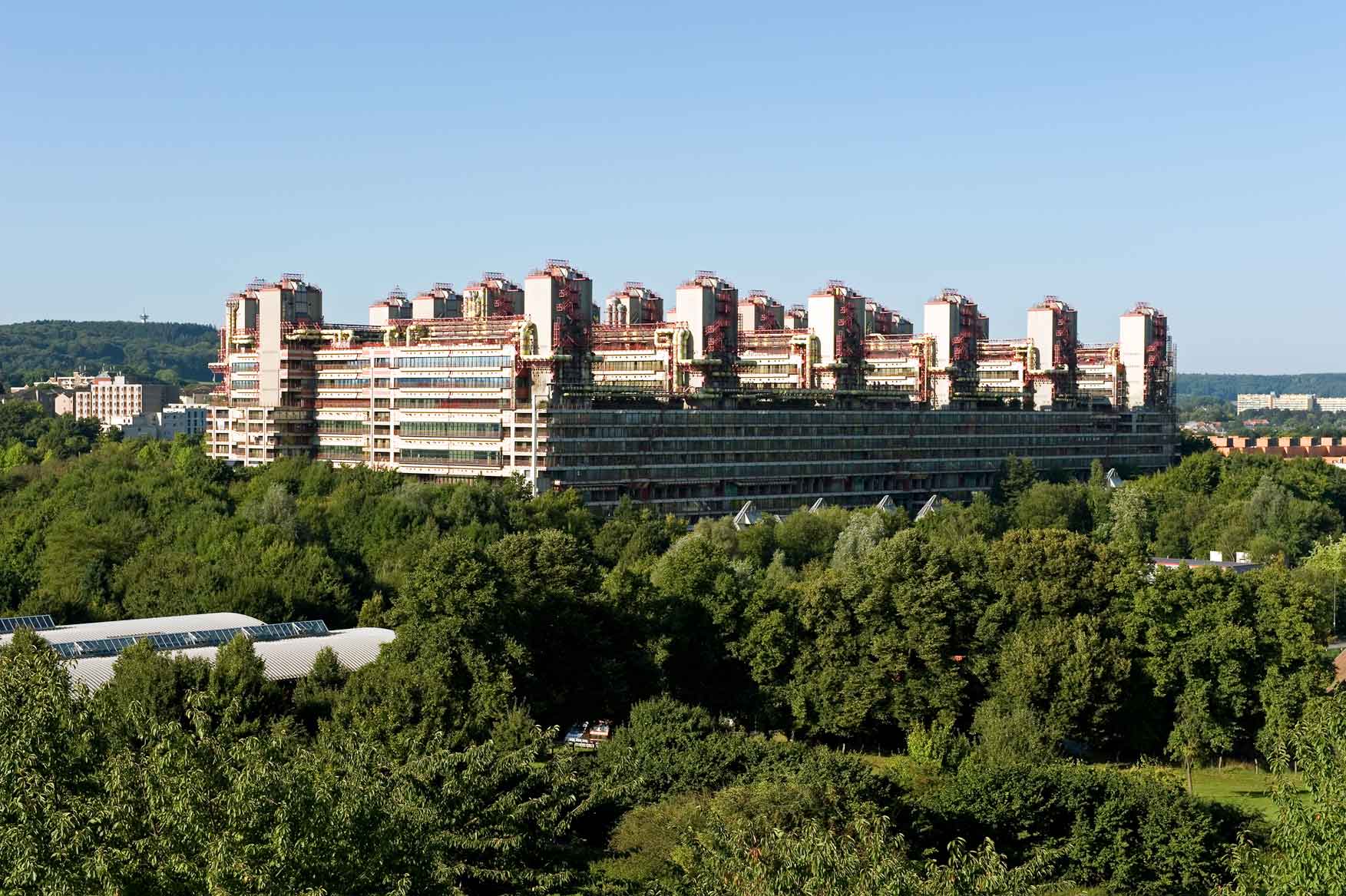
The University Hospital Aachen was founded in 1985 and today employs around 8,500 staff in 35 specialist clinics, 30 institutes and six interdisciplinary units. Every year, more than 50,000 patients are treated there as inpatients and a good 200,000 as outpatients. The hospital is located in the west of Aachen in the immediate vicinity of the municipality of Vaals in the Netherlands.

Your speciality is the kidney - an organ that medical laypeople do not necessarily associate with the coronavirus.
Yet the kidneys are one of the most frequently affected organs after the nasal mucosa and lungs. One third of all people who are severely affected by Covid-19 suffer from kidney failure. And it is not at all rare for an infection to lead to late damage in the kidneys that does not disappear.

How common is kidney damage in this country?
Very common. In about four million people, the kidney function is below 30 percent of its possible capacity. And in half a million people, kidney function has dropped to 15 percent or less. If the function drops to five to seven percent, those affected are dependent on dialysis as kidney replacement therapy, unless a new kidney is available for transplantation.

It is estimated that kidney disease will be the fifth leading cause of death worldwide by 2040. Yet in your field, nephrology, there are currently the fewest clinical trials for new therapies. Why is that?
It has to do with the complexity of kidney diseases. They are difficult to control and difficult to research. Very few patients only have kidney problems; most of them also suffer from diseases of the cardiovascular system, the lungs or the gastrointestinal tract, to name just a few diagnoses. People with pronounced kidney damage are often kept away from drug studies because these studies depend on a functioning organ – after all, the vast majority of active pharmaceutical ingredients are excreted via the kidneys. In addition, the treatment of kidney patients is highly individualised, there are hardly any standard prescriptions. And medicines that have the intended effect in healthy kidney patients can in some cases have a completely different effect in patients with severe kidney disease.

© J. Floege

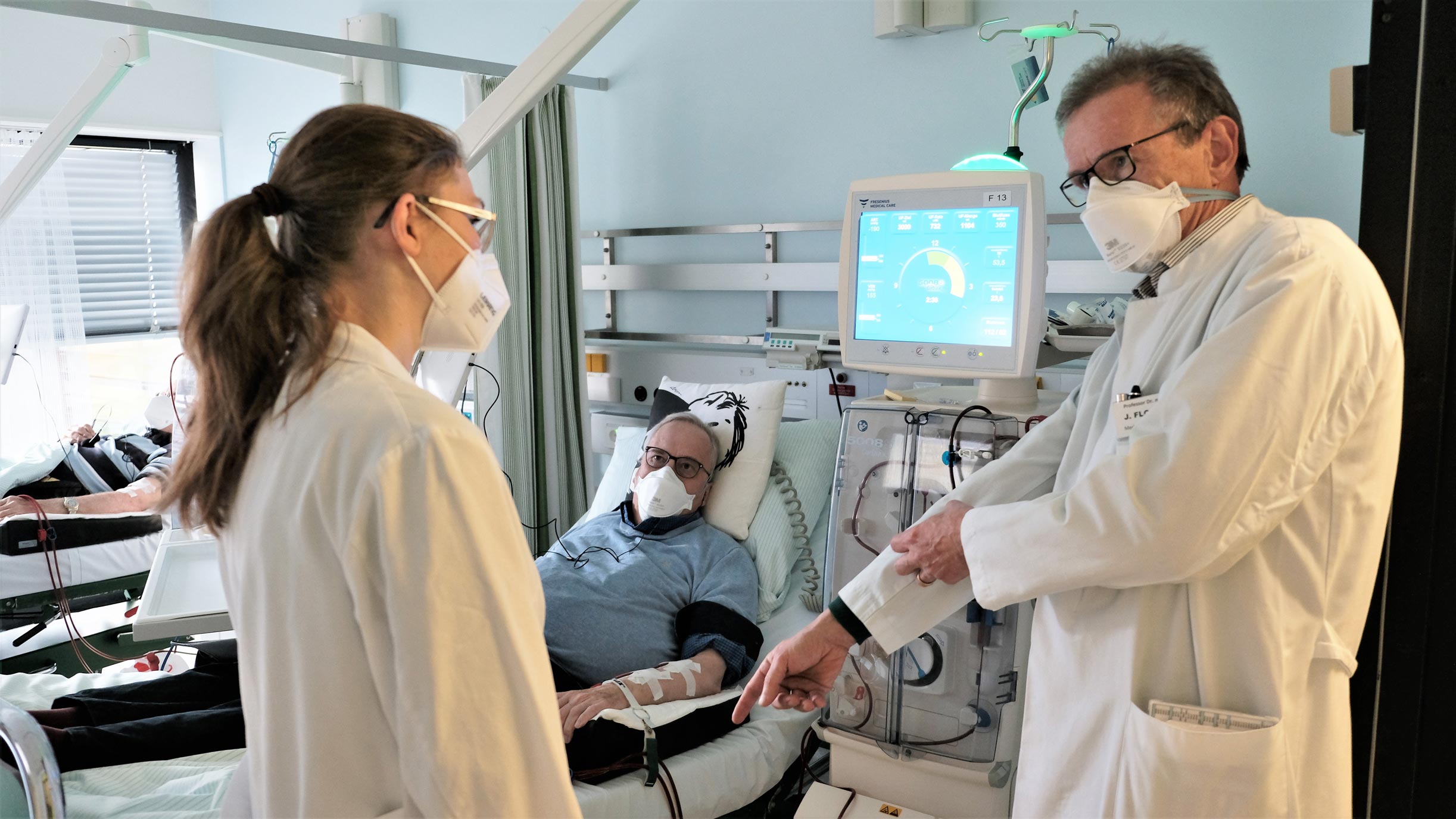
Visiting dialysis patients is part of the daily work of Jürgen Floege's team.

Nevertheless, there is a lot of research going on in your clinic. On which topics?
Apart from kidney diseases, it is about rheumatological-immunological diseases. We initiate and participate in clinical studies, but also do basic research. Just recently, the Collaborative Research Centre "Mechanisms of Cardiovascular Complications in Chronic Renal Insufficiency", which we run together with the outstanding heart specialists at our university, was rated very highly and recommended for a second funding period. We are also involved in Covid-19 research: some colleagues are currently in the process of creating an artificial kidney in the test tube in order to test new therapeutic approaches on it. With my own research group, I want to find out whether high-dose administration of the coagulation vitamin K can help dialysis patients. There are indications that the K2 variant in particular protects the blood vessels that are under great strain in chronic kidney disease. K2 is only found in very few foods, for example in the Japanese soy product natto. For our study, we use synthetically produced vitamin.

What can we do ourselvesf for healthy kidneys?
It is important to have a normal weight, blood pressure values below 130/80 millimetres of mercury and little salt. The optimal salt intake is up to five grams a day, which corresponds to just one teaspoon – much more is unhealthy. In addition, diabetes is associated with a considerable risk of kidney disease: For this reason, too, the disease should be avoided if possible or the blood sugar should be well adjusted if the disease is present.

Allow me to ask you a personal question: How did you get involved in kidney research yourself?
It was clear to me early on that I wanted to do medicine. The decision also had to do with the early death of my father. In the 1970s there wasn't much we could do about his heart attacks, fortunately there was a lot of progress. I spent my training years in Hanover, New York and Seattle and became more and more interested in renal medicine.

© Peter Winandy

The University Hospital of RWTH Aachen University (pictured front left) is one of the largest hospital buildings in Europe. North of it is the Melaten Campus with technology-oriented research facilities of RWTH and companies.

You have now been working in Aachen for more than twenty years. How does it feel to work as a medical doctor at a technical university?
Today I am doing very well here. It was different when I took up my post at the end of the 1990s. At that time, medicine was more of an appendage of the technical subjects here. The German Science Council took a look at that in 2000 and recommended that the state of North Rhine-Westphalia close the medical faculty. What followed was a huge jolt. Everyone made an effort, a lot of fresh research money was raised, good scientists were appointed and to this day great young people are vitalising the operation – we have become a highly esteemed and valued faculty within RWTH Aachen University.

How did you become a GDNÄ member?
I joined only recently, at the suggestion of the Würzburg cardiologist, Professor Georg Ertl. He also won me over to take on the task of group chairman for medicine.

As a clinician and researcher, you do not suffer from a lack of work. What made you decide to get additionally involved in the GDNÄ?
I like to look beyond the horizon of my discipline and am very interested in other areas of the natural sciences. The GDNÄ meets this need with its diversity of subjects. What also fascinates me is the great tradition – that is already unique.

Do you have any ideas for the future of the GDNÄ?
I think we need a "Young GDNÄ" parallel to the established Society of German Natural Scientists and Physicians. Role models could be the Young Internists within the German Society for Internal Medicine or the Young Academy of the Berlin-Brandenburg Academy of Sciences and the Leopoldina. It is important that the young people organise themselves and can be productive independently of their elders.

Saarbrücken 2018 © Robertus Koppies

© J. Floege

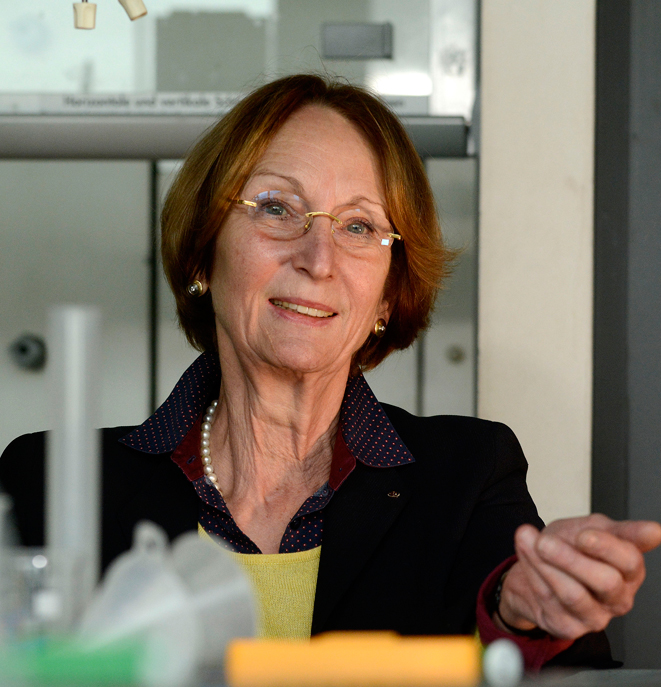
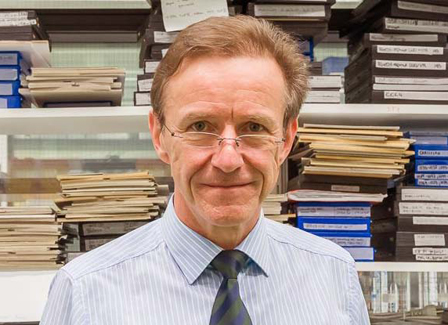
Prof. Dr. Jürgen Floege

About the person
Since 1999, Professor Dr. med. Jürgen Floege has been head of the Medical Clinic II of the University Hospital RWTH Aachen (Clinic for Kidney and High Pressure Diseases, Rheumatological and Immunological Diseases). He studied at the Hannover Medical School and at the Albert Einstein College of Medicine in New York. In Hanover he completed his specialist training, habilitated and took up a position as senior physician in 1995. In the 1990s, he also worked for three years as a visiting scientist at the University of Washington in Seattle. His scientific focus, on which he has published more than 600 original articles, reviews, editorials and book chapters, includes kidney diseases and their central importance for internal medicine, for example in the development of cardiovascular diseases. Professor Floege is the editor of the international best-selling textbook "Comprehensive Clinical Nephrology" and co-editor of the leading nephrology journal "Kidney International". He has received numerous honours for his research, including the highest award of the German Society for Nephrology (DGfN), the Franz Volhard Medal, in 2020. In addition to his clinical activities, Floege is involved in renowned societies, committees and organisations. He is a founding member and past-president of the German Society for Nephrology (DGfN), past-president of the German Society for Internal Medicine (DGIM) and on the steering committee of KDIGO – an organisation that draws up globally valid guidelines for nephrology. Jürgen Floege has been a member of the GDNÄ since 2019; he has taken on the role of Group Chair of Medicine.

Further Links: