• DE
  • EN
  • Reinhard Hüttl: Climate change remains to be the real crisis

    “Climate change remains to be the real crisis”

    The geoscientist Reinhard Hüttl on research in corona times, tomorrow's energy supply and the value of good science communication

    Professor Hüttl, your Helmholtz Centre employs almost 1300 staff. How does the Corona crisis affect your Centre?
    To a considerable extent our work still takes place in the home office. Only about half of the employees work on the mountain, as we say -–in our offices and laboratories on the Potsdam Telegrafenberg. Travelling abroad is only possible to a limited extent, domestic journeys only under strict consideration of infection protection.

    How much does this affect research?
    So far, no project has failed because of the pandemic, but there are certainly considerable delays. Certain measurements, which we can only carry out in spring, had to be cancelled this year. This was the case with our project in Lusatia, for example. There we study the effects of climate change on soils and forests and test new ways of land use. The corona restrictions are a particular problem for our young scientists. Internships had to be cancelled and the doctoral students now lack data for their work. The meetings that are so important for their professional development have been postponed or cancelled altogether.

    How do you deal with the problem?
    In any case, we want to prevent scientific careers from being damaged by the crisis. This is why, for example, the deadlines for final papers have been extended. The most important thing now is to continue to ramp up research. Our crisis management team has developed a concept for a limited presence operation. It regulates how laboratory and field work can be started while taking into account the protection against infection. This makes seasonal measurements possible again, but also maintenance work on instruments.

    Is it already possible to foresee a return to normal operation?
    Unfortunately not, it's too early for that. We assume that the pandemic will affect our work long-term and that we will have to establish ourselves in limited presence. But it is going to work out. The main problem is a different one.

    Which one?
    The real crisis is still climate change. Heat waves, droughts, heavy rainfall and other extreme events are making this increasingly clear to us. We will only be able to meet the challenge with a dual strategy. On the one hand, we must drastically reduce emissions of carbon dioxide and other greenhouse gases. On the other hand, we as a society and as an industrial nation cannot avoid adapting to the consequences of the region-specific effects of climate change. For example, through the conversion of our forests, more resilient agriculture, countermeasures against floods and a climate-neutral energy supply. Here the GFZ can make a significant contribution with its knowledge and innovative technologies.

    Do you have an example?
    Take the issue of reliable energy storage. The Corona crisis has shown us just how quickly supply chains can be broken and how important our own reserves are. But the solution is obvious, especially in Germany. Indeed, we have large underground gas storage facilities – the fourth largest in the world and the largest in the EU. There we can hold useful gas for a long time and withdraw it if necessary. The storage facilities have been operated safely for decades. Their reliability has also been proven in numerous studies conducted by the GFZ.

    The main greenhouse gas stored underground today is methane. Where does that leave climate protection?
    It won't stay on methane alone. Hydrogen as a completely carbon-free energy carrier can also be stored in salt caverns as well as in porous rock formations. These rocks are also suitable for storing synthetic, climate-neutral natural gas, which, as a reliable energy source, can help to compensate for the fluctuating yields of wind and solar power. Storage is still a weak point in the energy system transformation that we so urgently need for a climate-friendly future. A further advantage of underground storage: Carbon dioxide can also be safely deposited there, as we were able to demonstrate convincingly at the GFZ. The gas does not enter the atmosphere, but can be extracted for industrial applications as required.

    How do you assess the National Hydrogen Strategy, which the Federal Government has now adopted?
    I expressly welcome the strategy. It combines climate protection and technological innovation and also takes into account the necessary imports. Hydrogen will be the new oil and the new gas – other technology nations such as Japan, Australia and China have long recognized this. Germany can still achieve a leading role and we will do everything in our power within the Helmholtz Association to achieve this.

    Currently, the public discussion is more about electric cars and charging stations. How does this fit in with the hydrogen strategy?
    I regret that we in Germany still rely so heavily on e-mobility and electrochemical energy storage in batteries. With these technologies the enormous consumption of resources, even in comparison to conventional engines, is often not taken into account. One example: Taking into account all environmental impacts, an e-vehicle will only reach the level of a comparable modern diesel vehicle after several years. For industry, aircraft and ships, the potential of purely electrical solutions is not sufficient anyway. We need climate-neutral hydrogen for an environmentally friendly recycling economy and a secure supply at the same time. It is by far the better alternative and must be produced primarily where favourable conditions for renewable energies exist.

    Professor Hüttl, thank you very much for the interview.

    The interview took place in May 2020.
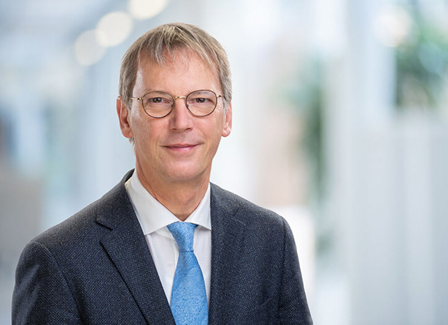
    Prof. Dr. Reinhard Hüttl

    Reinhard Hüttl
    Prof. Dr. Reinhard Hüttl (63) has been Scientific Director at the Helmholtz Centre Potsdam - German Research Centre for Geosciences (GFZ) from 2007 to 2021. After his habilitation at the University of Freiburg, the forestry and soil scientist from Regensburg taught and researched in Hawaii for one year before he was appointed the chair of soil protection and recultivation at the Brandenburg Technical University in Cottbus in 1993. Reinhard Hüttl is involved in many scientific committees and institutions. He is a member of various national and international academies, bearer of the Federal Cross of Merit and honorary doctorate of the University of Natural Resources and Applied Life Sciences in Vienna. From 2008 to 2017 he was president of acatech – German Academy of Science and Engineering.

    Research at GFZ
    The GFZ is the national research Centre for geosciences in Germany. Basic research on the dynamics of the solid earth is a central concern at the GFZ; developing solutions for major challenges facing society is another. Research is organized in a matrix structure with four disciplinary departments and five interdisciplinary research units. This includes the interactions between the earth's surface and the climate, but also the holistic use of georesources and geoenergy. The GFZ also participates in the GEOFON network for worldwide earthquake observation, records the sun's particle radiation and provides satellite services on which, among other things, the functioning of navigation systems depends. The GFZ employs almost 1300 people, including a good 900 scientists. The Centre is financed to 90 percent by the federal government and 10 percent by the state of Brandenburg. In 2020 the budget is 110 million €.

    First-hand knowledge

    First-hand knowledge

    From quantum computers and artificial intelligence to personalized therapies in medicine and the digital transformation of the chemical industry: Groundbreaking, attractively prepared presentations from the 2018 Assembly on the topic of "Digitization of the Sciences" have been published in the scientific magazine “Naturwissenschaftliche Rundschau” and are available here exclusively for download (in German only). The articles are richly illustrated and supplemented by portraits of the speakers.

    The “Naturwissenschaftliche Rundschau” is the official publication medium of the Society of German Natural Scientists and Physicians. Here the so-called negotiation volumes appear as special issues – always in the year between the meetings. The issues contain the lectures and short presentations of the last meeting. The texts are written in such a way that they can be understood by interested laypersons and at the same time meet high scientific standards.

    The “Naturwissenschaftliche Rundschau” was founded in 1948 and appears monthly. It publishes review articles by renowned scientists and short reports from the natural sciences and medicine. The journal, like the GDNÄ, sees itself as a mediator between the disciplines.

    Würzburg 2021 | The next conference takes place from September 10-12, 2021

    Würzburg 2021

    The next conference takes place from September 10-12, 2021

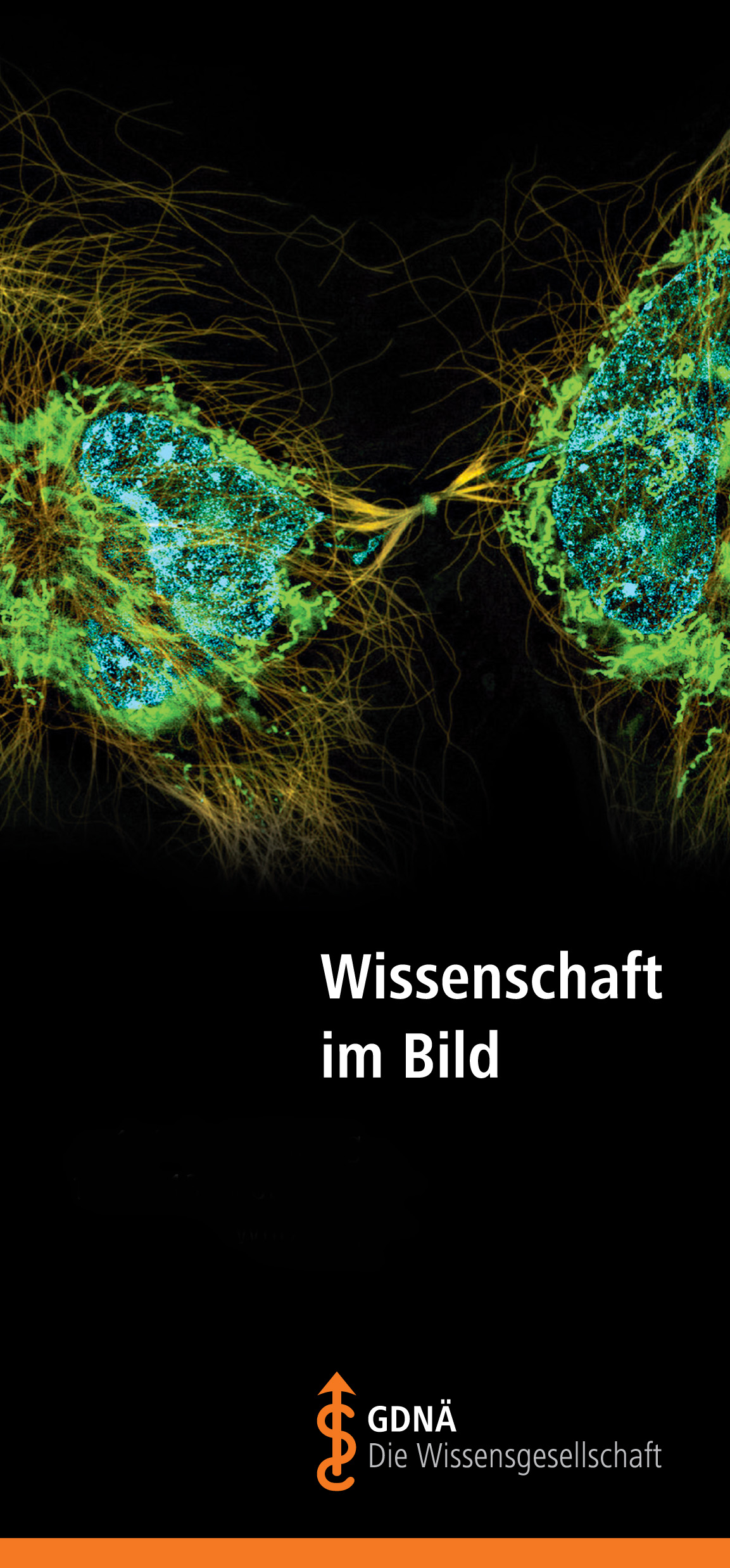
    In view of the current corona situation, the GDNÄ board has decided to postpone the annual meeting until 2021. The new date is September 10-12, 2021, and the topic "Science in Picture" and the program are to be retained as far as possible. The exact program will be announced on this website in autumn 2020 and sent to the members in spring 2021. We look forward to welcoming you to an exciting conference in 2021.

    Together with the meeting, the next general meeting and the elections planned there must also be postponed to that date.

    What the virologist Hans-Georg Kräusslich recommends in the Corona crisis

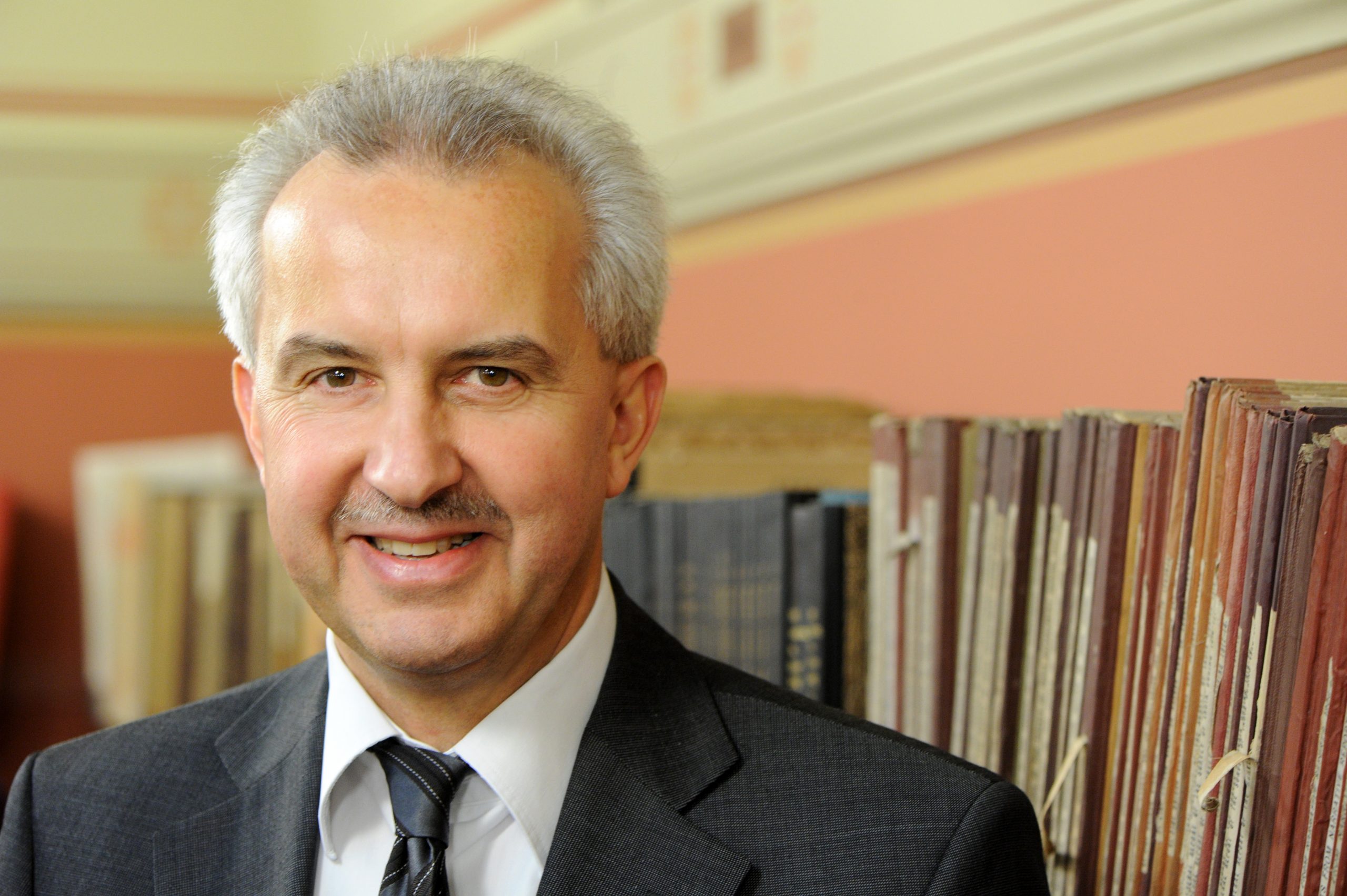
    Prof. Dr. Hans-Georg Kräusslich

    The days should have 48 hours for Hans-Georg Kräusslich. One telephone conference after the other, patient visits, meetings in the laboratory – the Heidelberg professor of virology is always busy, but in the corona crisis he is in constant action. At the University Hospital in Heidelberg, GDNÄ member Kräusslich is not only the head of the Centre for Infection Medicine, but as Dean of the Medical Faculty he is also responsible for ensuring that the entire hospital functions properly. In addition, as Chairman of the Board of the German Centre for Infection Research (DZIF), he is driving forward studies on "SARS-CoV-2", the trigger of the worldwide pandemic.

    New test methods for diagnosis, antiviral drugs and a vaccine against the new coronavirus are high on the DZIF's agenda. Together with the German Centre for Infectiology, a Europe-wide case registry is currently being established to collect clinical data from infected persons. For example, the registry will show under which circumstances patients become seriously ill after infection, when they get away with mild symptoms and which measures are best suited to treat them. "We are very confident that we can make an important contribution to the fight against the virus," says Hans-Georg Kräusslich, who appears calm and prudent even in these times of greatest tension.

    He is currently also involved as a member of a group of experts who have presented a phased plan for the period after the corona shutdown. "As a society, we must now develop scenarios for a gradual return to normality," said the Heidelberg physician explaining his commitment.

    Hans-Georg Kräusslich has been a member of the Society of German Natural Scientists and Physicians (GDNÄ) for almost forty years. In September 1982, as a medical student, he attended the GDNÄ meeting in Mannheim which was held under the motto "Progress reports from natural science and medicine". There the then 24-year-old listened to a series of lectures, in which he was particularly fascinated by the contribution of the German-born US virologist Peter K. Vogt. Vogt spoke in Mannheim about cancer-causing genes, so-called oncogenes. At that time, this field of research was still in its infancy and Vogt was one of the pioneers with his laboratory at the University of Southern California in Los Angeles. "I was very impressed by the news I learned at the GDNÄ meeting," recalls Hans-Georg Kräusslich. He says that his penchant for virology was awakened at the time – and has continued to grow during his time as a postdoc in the USA.

    Upon his return to Germany, the young physician established a group at the German Cancer Research Center in Heidelberg to research AIDS viruses. In the mid-1990s, he went to the Heinrich Pette Institute in Hamburg, which he led until 1999. In 2000, Kräusslich became head of the Department of Virology at the University Hospital in Heidelberg and has been the director of the Centre for Infectiology since 2003. In autumn 2019, his colleagues elected him Dean of the Medical Faculty in Heidelberg.

    "The GDNÄ offers excellent opportunities, in particular for pupils and students, to come into contact with scientists and learn about current research," says Hans-Georg Kräusslich. The conference almost forty years ago gave him a decisive impulse – this is one of the reasons why he has remained true to "his" GDNÄ.

    Hans-Georg Kräusslich © Universitätsklinikum Heidelberg

    Prof. Dr. Hans-Georg Kräusslich

    Download the position paper:

    Expert group: A Strategy for the time after Corona shutdown

    Expert group: A Strategy for the time after Corona shutdown

    An interdisciplinary group of renowned scientists is now calling for a gradual easing of the existing social and economic restrictions while ensuring medical care for the entire population. In their position paper, the researchers around Ifo President Clemens Fuest and Martin Lohse, President of the Society of German Natural Scientists and Physicians, point out ways to achieve this goal.

    Munich, April 2, 2020 - The strategy envisages gradually easing current restrictions in a differentiated manner and by continuously weighing up the risks. Priority will be given to restrictions that incur high economic costs or lead to severe social and health burdens. Regions with low infection rates and free capacities in the health system could, according to the proposal of the 14 experts from German universities and research institutes, lead the way in the gradual new start. In addition, sectors with a low risk of infection, such as highly automated factories, and areas with less vulnerable persons, such as schools and universities, should be started.

    "The current restrictions make sense and are beginning to have an impact," says Martin Lohse, physician and president of the Society of German Natural Scientists and Physicians (GDNÄ). However, in addition to high economic and social costs, the measures would also have serious medical consequences, for example for patients with other serious diseases. "Because we have to expect that the pandemic will keep us busy for many months to come and ultimately only our immune system will be able to protect us, we need a flexible strategy that is graduated according to risks - a general shutdown is not a long-term solution," says Martin Lohse.

    "Health and a stable economy are by no means mutually exclusive," says Clemens Fuest, economist and president of the Munich-based ifo Institute. Just as positive economic development is not possible with an uncontrolled spread of the virus, the efficiency of our health system cannot be maintained without a functioning economy," says Clemens Fuest. "When planning the steps in which the massive restrictions on private and public life are to be lifted, people must be at the centre of attention," says Christiane Woopen, Professor of Ethics and Theory of Medicine at the University of Cologne. Health, economic and social risks must be taken into account. A lot is currently being expected of everyone. Woopen: "Now the strong must be there for the weak.”

    Scientists from the fields of internal medicine, infection research, pharmacology, epidemiology, economics, constitutional law, psychology and ethics are writing that it is now important to carry out large-scale tests in order to gain more reliable insights into the spread of the pathogen. The safeguarding of the production of protective clothing, protective masks, drugs and future vaccines is also one of the most urgent measures. The scientists also recommend creating new capacities to cope with the social and psychological consequences of the current measures.