• DE
  • EN
  • Konrad Zuse Medal for Wolfgang Wahlster

    Konrad Zuse Medal for Wolfgang Wahlster

    Former president of the GDNÄ honoured for outstanding contributions to AI research.

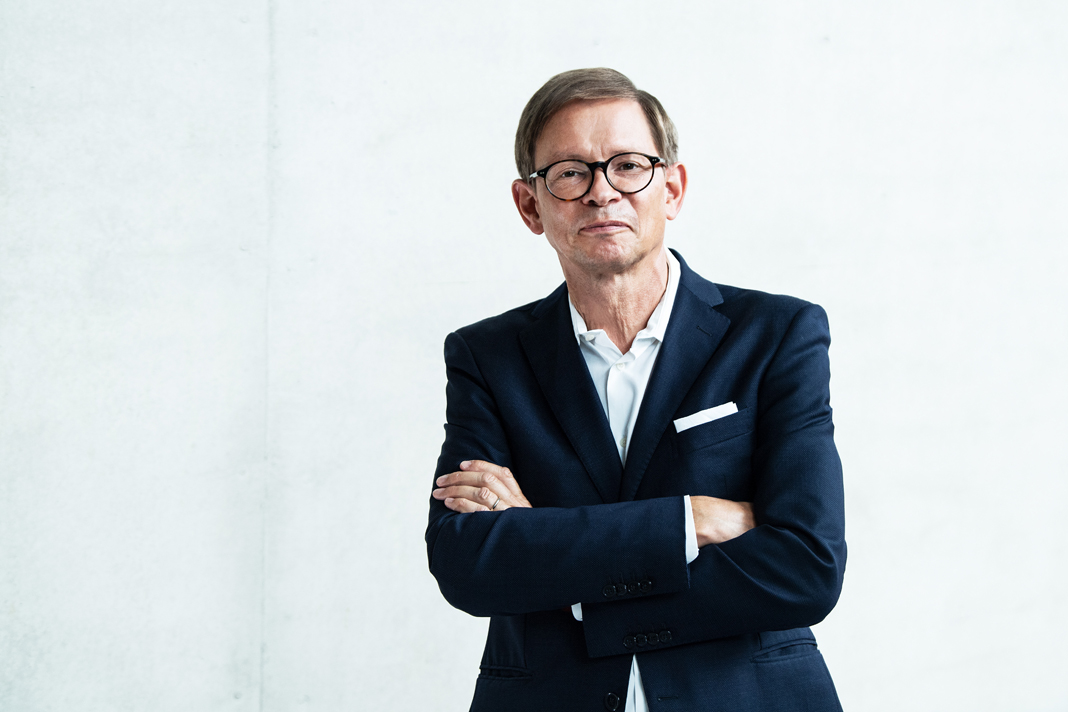
    The German Informatics Society (GI) awarded Professor Wolfgang Wahlster, former president of the Society of German Natural Scientists and Physicians (GDNÄ) and long-standing chairman of the management board of the German Research Centre for Artificial Intelligence (DFKI), the prestigious Konrad Zuse Medal for services to computer science. With this award, the GI honours the outstanding scientific achievements and extraordinary commitment of a researcher who has had a lasting impact on AI research in Germany and Europe. The award ceremony took place on 17 September 2025 in Potsdam.

    Wolfgang Wahlster’s scientific life’s work ranges from groundbreaking basic research to successful transfer into industrial practice. He gained international recognition for his pioneering work in the fields of speech dialogue systems, multimodal human-machine interaction and interpreting systems for spontaneous speech, among other things.

    Wolfgang Wahlster has shaped DFKI since its foundation and, during his time as Chairman of the Executive Board from 1997 to 2019, developed it into one of the world’s largest and most renowned AI research centres. Under his leadership, DFKI developed into a strong cooperation partner for industry. Wahlster initiated numerous flagship projects, promoted the transfer of research into commercial applications and represented Germany internationally as an AI thought leader. As chief advisor, he remains closely associated with DFKI.

    GI President Christine Regitz says: ‘Wolfgang Wahlster is not only an extraordinarily influential scientist, but also a very successful university lecturer and science manager who has had a significant impact on European AI research. In addition, he contributes his expertise to political and social debates and takes a clear stance on issues such as data ethics.’

    Wolfgang Wahlster says: “Receiving the GI’s highest award is also a great pleasure for me because it gives artificial intelligence – my field of research in computer science for 50 years now – the appropriate status and recognition it deserves. I had the privilege of having several lengthy technical discussions with Konrad Zuse, one of the fathers of the computer. I was also fortunate to be able to help shape the birth of AI in Germany, and published my first research results on speech dialogue systems, as they are widely known today through Chat-GPT, back in 1975. After phases of scepticism and some setbacks, it is a pleasure for me to now witness the greatest heyday of AI to date.”

    As president of the GDNÄ, Wolfgang Wahlster chaired the 130th meeting of the Society of Natural Scientists in Saarbrücken in 2018. After his time on the executive committee, he continued to support the GDNÄ as a member of the board of directors.

    Wolfgang Wahlster is active in numerous renowned scientific institutions. In addition to the GDNÄ, these include the Academy of Sciences and Literature in Mainz, the Royal Swedish Nobel Academy in Stockholm, the National Academy Leopoldina, the German Academy of Science and Engineering (acatech) and the Berlin-Brandenburg Academy of Sciences. As a doctoral supervisor, Professor Wahlster has supervised 77 dissertations; 22 of his former doctoral students are now professors themselves.

    Award for outstanding science communication

    Award for outstanding science communication

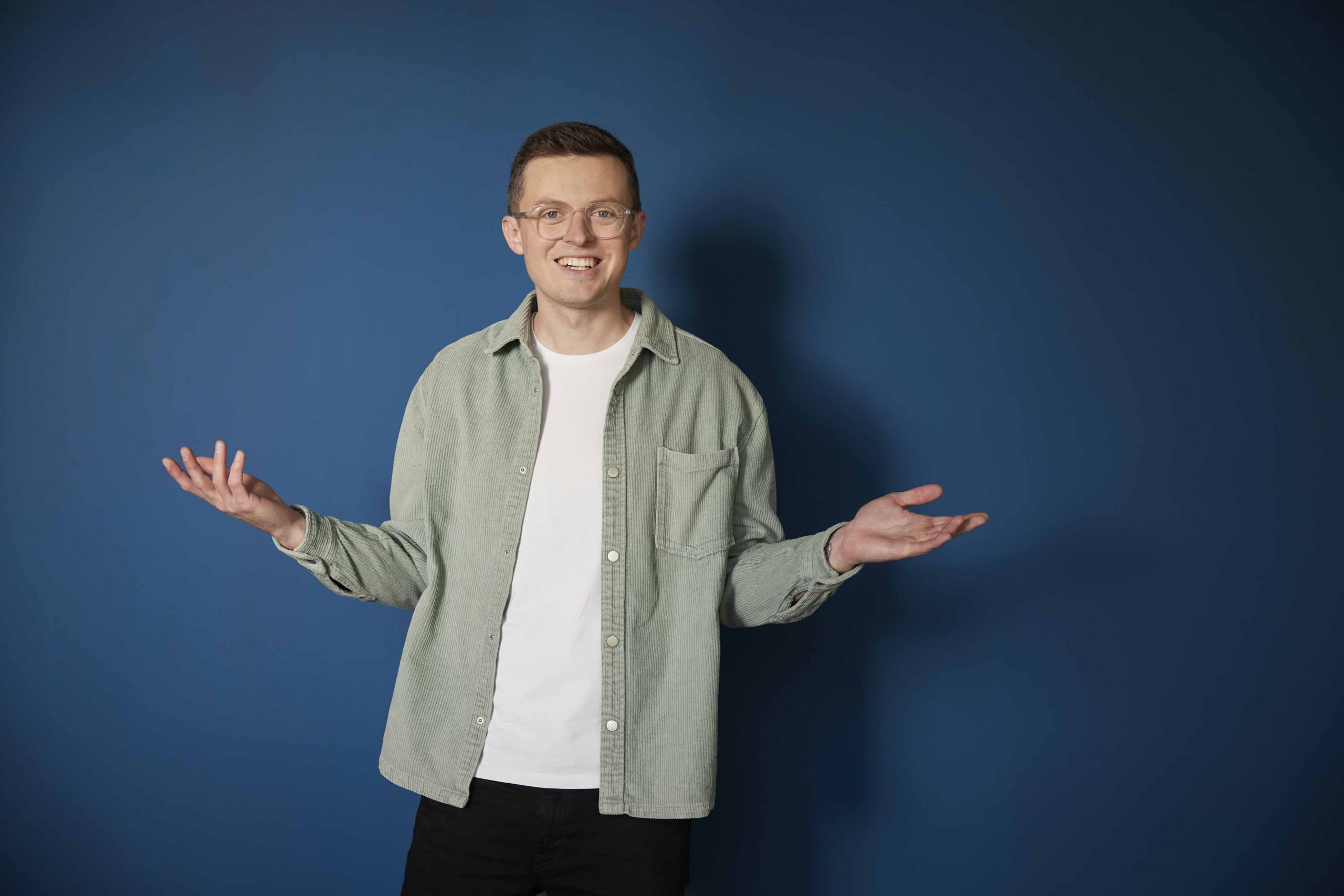
    The 2025 Lorenz Oken Medal goes to YouTuber and author Jacob Beautemps

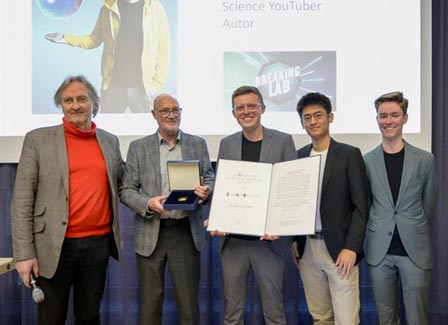
    On 3 December 2025, the Society of German Natural Scientists and Physicians (GDNÄ) will award its Lorenz Oken Medal at the Science Communication Forum in Stuttgart. The award goes to YouTuber, presenter and author Jacob Beautemps for his outstanding contributions to science communication.

    With his channel ‘Breaking Lab’, Dr Jacob Beautemps is one of the most successful science YouTubers with more than 700,000 followers in Germany, according to the award citation. Beautemps also reaches a wide audience on linear television. In his book ‘Rethinking Our Future’, he shows how science can shape the future. ‘He communicates complex topics in an understandable and innovative way, thereby reaching young people in particular,’ says the selection committee.

    In his keynote speech ‘The Most Important Skill of the 21st Century’ in Stuttgart, Jacob Beautemps will explain why this skill is learning. Knowledge is the most valuable thing we possess, says the 32-year-old, and the transfer of knowledge is essential for our progress. However, communicating knowledge is often neglected in education. In his lecture, Beautemps will present six rules for successful knowledge transfer. According to Beautemps, those who take these rules to heart will be listened to by their audience and their message will be remembered.

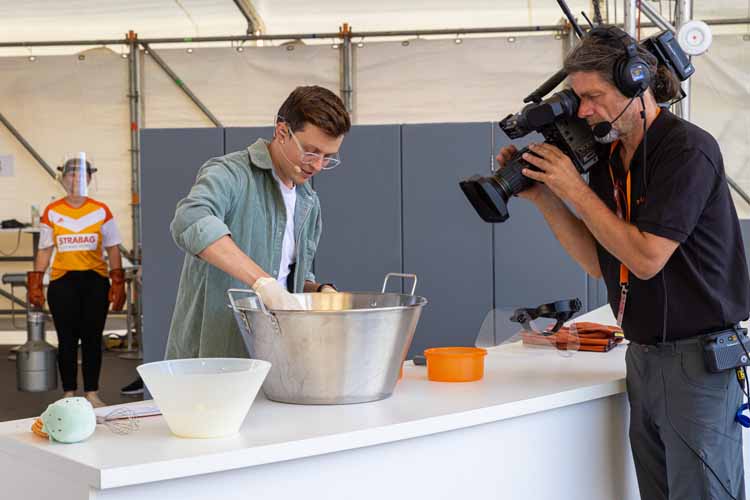
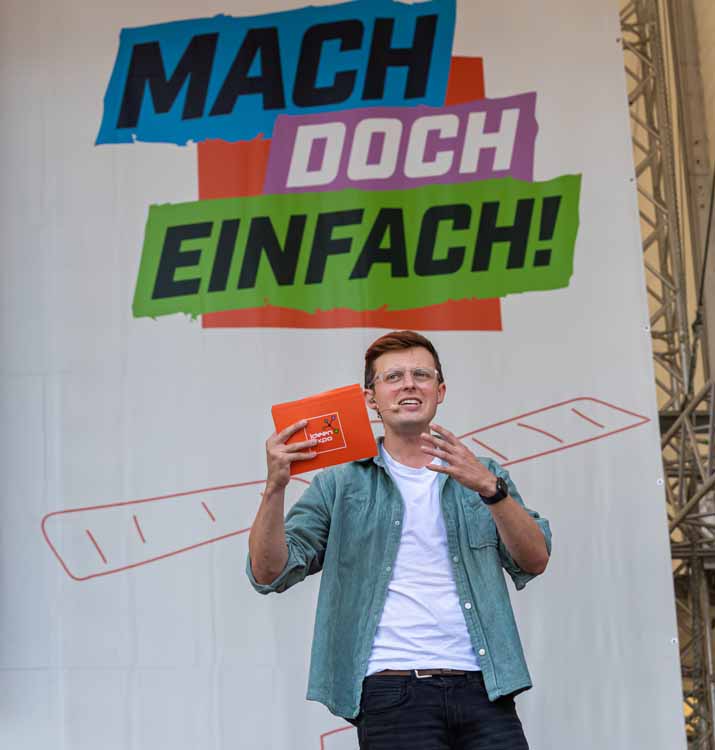
    © ‘5 gegen Jauch’ (RTL)

    Science communicator Jacob Beautemps in action: the designated recipient of the 2025 Lorenz Oken Medal reaches a wide audience, including many young people.

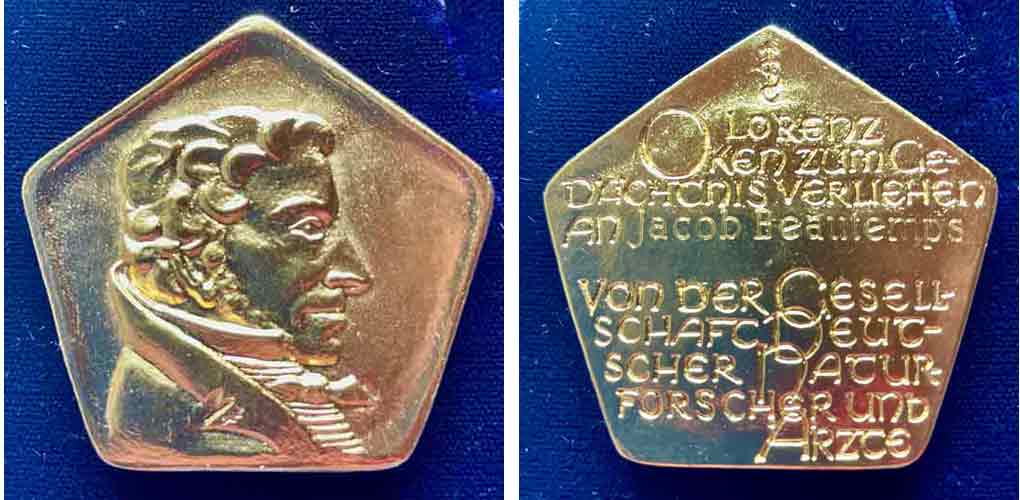
    The medal commemorates Lorenz Oken, who founded the GDNÄ in 1822 – also with the aim of promoting exchange between science and society. The award is presented every two years. Previous winners include presenter and director Armin Maiwald (‘Sendung mit der Maus’), television presenter and YouTuber Mai thi Nguyen-Kim, and television presenter Gert Scobel (‘scobel’).

    Science Communication Forum 2025

    The Science Communication Forum 2025 will focus on the topic of ‘Algorithms, platforms and AI: science communication in the digital transformation’. It will take place on 3 and 4 December at the Liederhalle Stuttgart. The Science Communication Forum is the largest specialist conference for science communication in the German-speaking world. It has been organised annually since 2008 by Wissenschaft im Dialog (WiD), the joint organisation of German science for science communication. The GDNÄ has been a member from the very beginning.

    DLR_Anke_Kaysser-Pyzalla

    © Boris Breuer

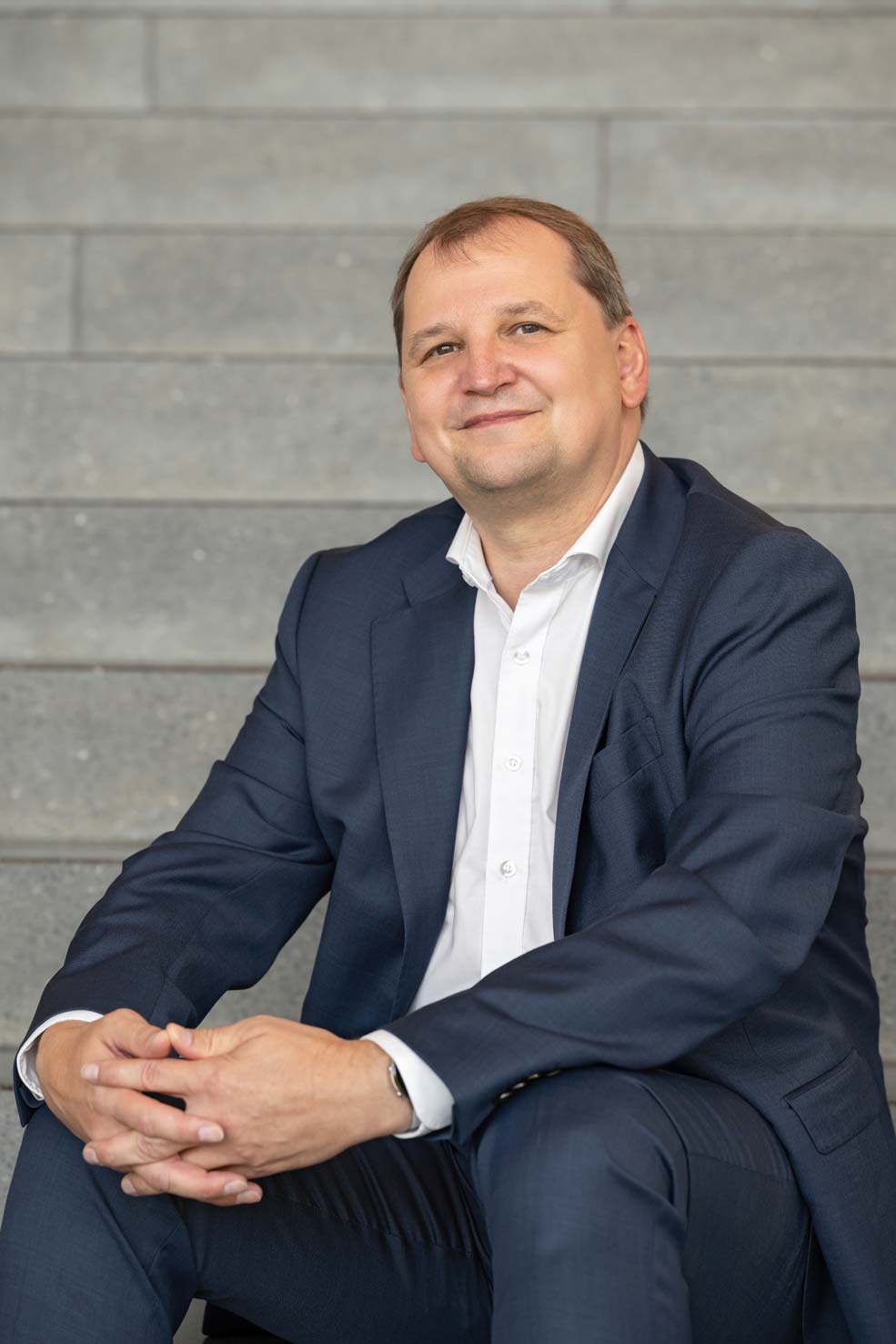
    Dr Jacob Beautemps, physics educator, science YouTuber, author, speaker and presenter.

    About the person

    Jacob Beautemps was born in Essen in 1993. After completing his Master of Education in Physics and Social Sciences, he received his doctorate in 2024 from the Institute for Physics Education at the University of Cologne on the question of how students learn with YouTube videos. Since 2018, the 32-year-old has been reaching a wide audience through his YouTube channel Breaking Lab, which he produces in collaboration with i&u TV. The focus is on scientific and technical topics. Jacob Beautemps also appears as a speaker and guest on television programmes. He already has received several awards, including the 2024 Prize for Science Journalism from the German Physical Society.

    Award ceremony

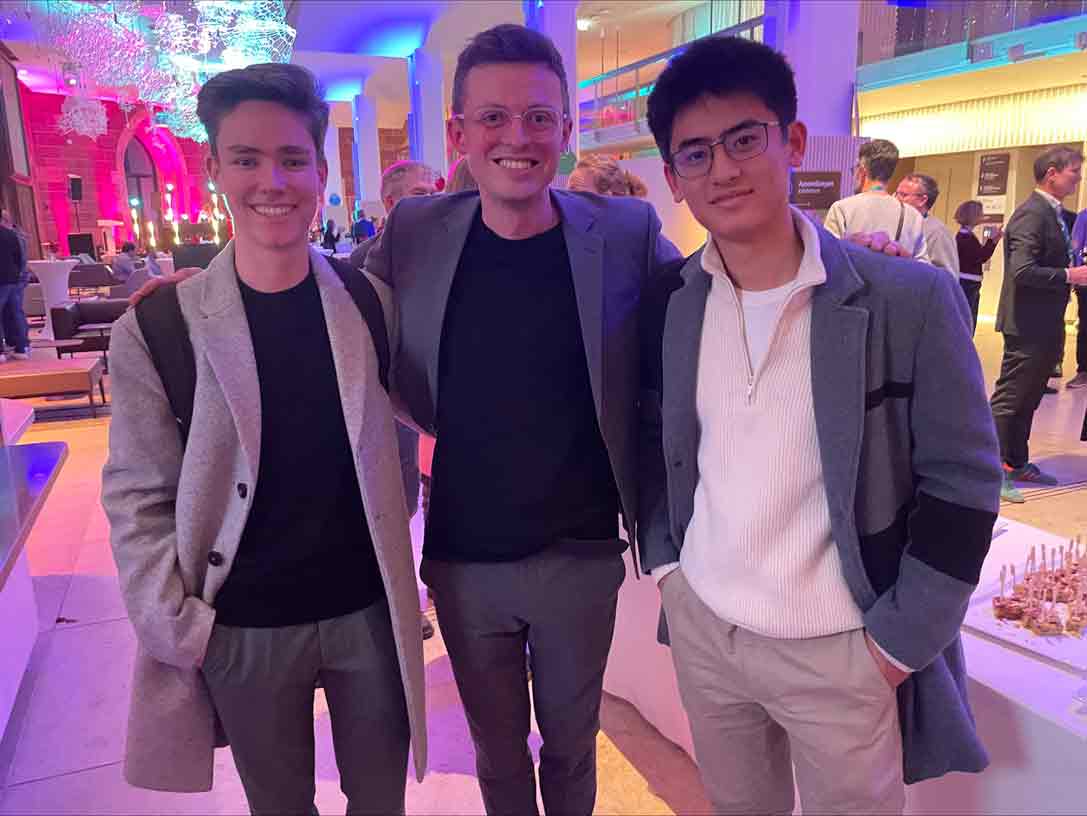
    The ceremonial presentation of the 2025 Lorenz Oken Medal is a fixed item on the programme of the 2025 Science Communication Forum. The event will take place from 4:15 to 5:45 p.m. in the Liederhalle Stuttgart and will be moderated by Professor Michael Dröscher, Secretary General and Treasurer of the GDNÄ. The welcome and award presentation will be given by GDNÄ Vice President Professor Heribert Hofer, and the laudatory speeches will be given by Kevin J. Yuan and Eric Andresen from the GDNÄ’s Young Network. Dr Jacob Beautemps will then address the audience with a keynote speech.

    Anke Kaysser-Pyzalla: ‘Recruiting young talent is the top priority’

    ‘Recruiting young talent is the top priority’

    The President of the Society of German Natural Scientists and Physicians (GDNÄ), Professor Anke Kaysser-Pyzalla, talks about new opportunities for young people and the value of interdisciplinary thinking and action.

    Professor Kaysser-Pyzalla, the motto of the 133rd GDNÄ meeting was ‘Science for our lives tomorrow’. In which areas do you see the greatest challenges and opportunities for science?
    Our lives tomorrow will be determined by social developments. The greatest challenge for science is to present its own relevance to society in a comprehensible way. We at the GDNÄ must also show the role that research plays in the future of society and its economic and technological foundations. The greatest opportunity for science lies in communicating its results and methods, but also its limitations. To say: ‘We are here for society’. Our task is to make science recognisable in what it produces. Research is thus one of the foundations for decision-making in our democracy. 

    Not all of these areas of responsibility are equally attractive to young scientists. Are there any areas that concern you?
    I am concerned about the low number of students in technical subjects. But Potsdam has shown that the next generation understands the new challenges. They are addressing issues that deal with current developments or historical missteps and are highly relevant to society. As the GDNÄ, we must convey to our young scientists the significance and interdisciplinarity of research for their development. The ability to work in a team and clear analytical and evaluative skills are also good prerequisites for careers in research that lead into business and back again.

    © Dima-Juschkow

    Young Members of the GDNÄ at the 2024 meeting in Potsdam, together with Nobel Prize winner Professor Ben Feringa (front row, centre).

    The Young Network of the GDNÄ was founded to introduce young people to scientific thinking and working at an early age. How important is youth work within the GDNÄ as a whole?
    Recruiting young talent must be our top priority. Without capable, committed and motivated young people, Germany will not be competitive. There are many young people who are inspired by excellent teachers to take an interest in the natural sciences. However, the field of technology is often neglected. We as the GDNÄ must be role models – representing scientific values, rethinking them and explaining their benefits to society. How can we succeed in introducing young people to scientific thinking and working through attractive offers? The GDNÄ gives young talent the opportunity to build networks and get to know new people, but above all to learn about new topics. 

    There does not seem to be any gender disparity in young people’s interest in science, as can also be seen in the jGDNÄ. However, in advanced academic and industrial careers, the proportion of women often drops dramatically. Is this a ‘legacy issue’ that can be resolved by better support for young talent, or do you see structural problems that need to be solved?
    I still see structural problems here, i.e. a legacy issue. The proportion of female students is steadily increasing. Many successfully complete their studies and some choose a scientific career. But what about the compatibility of family and career? This compatibility, which applies to both women and men, must be incorporated into everyday scientific life so that it produces the expected results. Everyone has the same opportunities. And it is clear that this can work. Increasingly, women are establishing themselves in areas where they were previously underrepresented. At the GDNÄ, too, it is noticeable that young female colleagues are heavily involved in our work and are very committed. 

    Science in the 21st century is highly specialised in most cases, with researchers often focusing on very narrow areas of interest. But the challenges for ‘our life tomorrow’ are complex. What role do you see for the GDNÄ in stimulating exchange between disciplines and promoting interdisciplinary thinking?
    The role of the GDNÄ must increasingly be that of a pacemaker in the German scientific landscape. We must succeed in strengthening interdisciplinary thinking. Let’s put ourselves in the shoes of a space engineer, for example. Taking orbital mechanics from her area of expertise, she is forced to consider many aspects of a complex mission. She can only succeed in this if she is prepared to think and act beyond the boundaries of her field. She must pool and expand collective knowledge, promote new ideas and also improve cooperation. This requires a high degree of interdisciplinarity in the context of complex systems. Then she, then we, will be successful. 

    As important as dialogue within the sciences is, dialogue between science and society is at least as important. However, issues such as climate change and pandemic control have shown that this dialogue does not always work. The current example in the USA, where anti-scientific and pseudo-scientific positions seem to dominate politics, shows in a dramatic way how this can jeopardise not only scientific progress, but even the scientific status quo, i.e. what has already been achieved. How can and must science in general and the GDNÄ in particular respond to this?
    The GDNÄ is the sum of its members. Every member should take a clear stand for science in conversations and discussions. Unfortunately, we see in the media how even prominent figures are involved in promoting pseudoscientific theories. We can counteract this through our public appearances. The GDNÄ stands for explainability. This includes translating existing knowledge in a way that is understandable and comprehensible to everyone. This is what the most recent winner of the Lorenz Oken Medal, Armin Maiwald, has been doing successfully for many decades. In this way, the GDNÄ strengthens the acceptance of scientific findings, such as those on man-made climate change. We explain the uncertainties of scientific findings and explain what science is good for. Because science, like the GDNÄ, is constantly evolving.

    DLR_Anke_Kaysser-Pyzalla

    © DLR

    Prof. Dr.-Ing. Anke Kaysser-Pyzalla, GDNÄ President 2025/2026 and Chair of the Executive Board of the German Aerospace Center (DLR).

    Recommended reading

    This article reflects an interview with Professor Anke Kaysser-Pyzalla conducted by Jürgen Schönstein, editor-in-chief of Naturwissenschaftliche Rundschau, for issue 9/10 (2025). Naturwissenschaftliche Rundschau has been the organ of the Society of German Natural Scientists and Physicians for many years. The current October issue documents the specialist presentations given at the 133rd GDNÄ meeting in Potsdam in 2024:

    >> Naturwissenschaftlichen Rundschau, Issue 9/10 (2025)

    About

    Prof. Dr.-Ing. Anke Kaysser-Pyzalla studied mechanical engineering and mechanics in Bochum and Darmstadt. She received her doctorate and habilitation from the Ruhr University Bochum. After conducting research at the Hahn-Meitner-Institut (HMI) and the Technical University of Berlin, she researched and taught at the Vienna University of Technology from 2003 to 2005. In 2005, she joined the management of the Max Planck Institute for Iron Research GmbH in Düsseldorf as a scientific member, director and managing director. In 2008, she was appointed Scientific Managing Director of the Helmholtz Centre Berlin for Materials and Energy GmbH, which was formed under her leadership from the merger of HMI and the Berlin Electron Storage Ring Society for Synchrotron Radiation (BESSY). In 2017, Anke Kaysser-Pyzalla became President of the Technical University of Braunschweig; since 2020, she has been Chair of the Executive Board of the German Aerospace Centre (DLR). She was elected President of the GDNÄ for the 2025 and 2026 terms of office.

    Ekkehard Winter: ‘Fuelling enthusiasm and promoting talent from the sidelines’

    ‘Fuelling enthusiasm and promoting talent from the sidelines’

    Ekkehard Winter, long-standing foundation manager and member of the GDNÄ Board of Directors, on new ways to improve STEM education in Germany.

    Dr Winter, you became a member of the GDNÄ a good thirty years ago. Back then, in the mid-1990s, you were just starting your career in major German science foundations. What made the GDNÄ interesting to you?
    It was definitely personalities such as Hubert Markl, Joachim Treusch and Detlev Ganten, who were successive presidents of the GDNÄ at the time. They are the pioneers of modern science communication in Germany, and we owe them a great deal. I attended GDNÄ meetings on a regular basis, and I was particularly impressed by the 200th anniversary celebrations in Leipzig three years ago. All these meetings offer high-quality lectures that thoroughly illuminate a topic – not just snippets of knowledge like at other events with a similar target audience. 

    Almost a year ago, you were appointed to the GDNÄ Executive Board. What does that mean for you?
    I have been appointed for two years, until the end of 2026. I enjoy contributing my decades of experience in mathematics and science education. My network of contacts – whether in foundations, universities, research museums or politics – could also be helpful. So far, I have attended two GDNÄ strategy meetings and each time I have been impressed by the productive discussions among peers and the refreshing contributions of young members. 

    You know many organisations for young people in science. What is your impression of the still relatively young jGDNÄ?
    Its members are bursting with ideas and want to achieve something – including for their own careers. This is similar elsewhere and very welcome. I also think it’s good that young people organise their own events between GDNÄ meetings. But it’s also part of the bigger picture that the initiative currently thrives on the enthusiasm of particularly committed members. But what happens when they go abroad? Or when they hardly have any time for voluntary work? Is there a risk of the organisation falling apart? To prevent this, a kind of liaison office will be needed in a year or two – a hub that holds everything together. All this costs money, and without funding it will be difficult to achieve. I’m happy to help think about this.

     © Marlene Anders

    Public observatories are also part of the educational ecosystem: The photo shows members of the jGDNÄ visiting the Heidelberg Observatory in the House of Astronomy.

    Are there any funding opportunities on the horizon?
    Let’s take foundations, for example. Many of them are now less involved in programmes for individuals due to strategic decisions and also for cost reasons; they tend to support structures instead. This would therefore be a good fit for a jGDNÄ hub. However, there are many other funding opportunities available through civil society or government institutions, some of which can be combined. What is missing is an overview that highlights the strengths, weaknesses and special features of the various offers. Creating a ‘funding map’ would be a great topic for a bachelor’s thesis! 

    One suggestion from the jGDNÄ is a mentoring programme that brings young people together with established GDNÄ members from science and industry. A good idea?
    A very good idea! I am reminded of an experience I had as managing director of the Telekom Foundation. We set up a programme that brought together doctoral students with leaders from various fields, including top managers from industry. Each mentee had a mentor who was very enthusiastic about participating and often came from a different discipline than their mentee. It worked extremely well. But it has to be well organised and requires enthusiasm, time and money. 

    The jGDNÄ is an umbrella organisation that also houses the GDNÄ’s long-running and successful school programme. How do you rate the programme?
    From what I have seen in recent years, it has developed wonderfully. It plays an important role in the ecosystem of STEM education, i.e. in the fields of mathematics, computer science, natural sciences and technology. Such programmes strengthen the fascination for subjects that are urgently needed but have always lacked young talent. Fundamentally, this is unlikely to change in the future. This makes programmes for schoolchildren all the more important, as they spark enthusiasm and nurture talent from the sidelines, so to speak. 

    The jGDNÄ runs several programmes, including a small teacher programme run by the GDNÄ. Do you see any potential here, and if so, how can it be exploited?
    There are incredibly dedicated teachers, especially in the STEM subjects. I know from conversations with Paul Mühlenhoff, the head of the GDNÄ programme, that this is also the case there. These teachers often really enjoy getting together outside their own schools and exchanging ideas. In their home schools, they are often seen as troublemakers because they like to try new things and raise standards. One idea, for example, would be a teachers’ café at the next meeting in Bremen in 2026. Established and aspiring STEM teachers with an interest in exchange and cooperation would be invited. I have coordinated several meetings of this kind and have always been amazed at how little teachers know about initiatives in other federal states and how keen they are to take up good ideas. Our federal education system is so provincial! We should change that, and the GDNÄ could make an important contribution here. 

    You retired two years ago. In addition to your honorary positions, including at the GDNÄ, you are now studying philosophy of science at the University of Münster. Was that a good decision?
    Yes, definitely. Until now, I didn’t have the time to delve into the history of ideas and theoretical constructs in the natural sciences. However, these areas should not only be of interest to retirees; in my opinion, they should also be included in the teaching of STEM subjects at schools and universities. With its long history, the GDNÄ could also be a good place for this.

    Saarbrücken 2018 © Robertus Koppies

    © Deutsche Telekom Stiftung

    Dr Ekkehard Winter, biologist, long-standing foundation manager and appointed member of the GDNÄ Board of Directors.

    About the person

    Dr Ekkehard Winter is involved in the National Education Forum and advises the National STEM Forum; both institutions are important players in education policy. From 2005 until his retirement in 2023, Winter was managing director of the Deutsche Telekom Foundation, where he played a key role in shaping its profile as a leading educational foundation in the fields of mathematics, engineering and natural sciences (STEM). Prior to that, the doctor of biology worked as programme director and deputy secretary general of the Stifterverband für die Deutsche Wissenschaft (Donors’ Association for the Promotion of Sciences and Humanities in Germany). Ekkehard Winter is one of the founders of the nationwide initiative Wissenschaft im Dialog (WiD) and the EuroScience Open Forum (ESOF). In 2017 and 2018, he was a founding member of the Forum Bildung Digitalisierung (Education Digitalisation Forum), which promotes digital transformation in the school system. From 2017 to 2023, Winter was co-spokesperson for the National MINT Forum e.V. Ekkehard Winter has been a member of the GDNÄ since the mid-1990s. and was appointed to the board of directors in 2024. 

    © Deutsche Telekom Stiftung

    Ekkehard Winter during his time as Managing Director of the Telekom Foundation in an interview for the organisation’s own social media channel.
    Further reading:

    Obituary Professor Michael P. Manns

    OBITUARY MICHAEL P. MANNS

    Outstanding scientist, doctor with a warm heart

    The Society of German Natural Scientists and Physicians (GDNÄ) mourns the loss of its long-standing member Professor Michael P. Manns. The internationally renowned gastroenterologist was 73 years old.

    ‘He lived wholeheartedly for his patients and his colleagues,’ reads an obituary published by the Hannover Medical School (MHH) on the death of its former president, Professor Michael P. Manns. According to the university, the renowned liver disease specialist succumbed to cancer in mid-August. Although ravaged by the disease, he continued to work at the MHH until the very end. Michael P. Manns was 73 years old. 

    ‘Michael Manns was a loyal member of the GDNÄ for many years. With his passing, we have lost a highly respected scientist who worked tirelessly and with visionary energy for the good of humanity,’ said Professor Anke Kaysser-Pyzalla, President of the Society of German Natural Scientists and Physicians. 

    ‘Science has lost one of its best,’ said MHH President Professor Denise Hilfiker-Kleiner, adding: ‘I mourn the loss of a friend.’ Mann’s legacy will live on and continue to save many lives in the future. 

    ‘Michael Manns was my mentor, and I am eternally grateful to him,’ says Professor Heiner Wedemeyer, Director of the MHH Clinic for Gastroenterology, Hepatology, Infectiology and Endocrinology. ‘Chief physicians and doctors throughout Germany have benefited from his expertise, his encouragement and, above all, his immense personal support.’ 

    According to the university, Manns shaped the MHH for decades. From 1991 to 2020, he headed the MHH Clinic for Gastroenterology, Hepatology and Endocrinology; from 2019 to the end of 2024, he was at the helm of the university. His tenure as president coincided with the coronavirus pandemic, a generational change at many levels and plans for the new MHH building. At the beginning of 2025, Michael Manns took up a senior professorship at the Centre for Individualised Infection Medicine (CiiM), which he co-founded and which is a joint initiative of the Helmholtz Centre for Infection Research (HZI) in Braunschweig and the MHH. 

    Manns’ research focused on viral hepatitis, autoimmune diseases of the liver, hepatocellular carcinoma and transplant medicine. He was involved in clinical trials for new standard therapies and founded the National Competence Network for Hepatitis, which later became the German Liver Foundation. 

    Manns received numerous honours for his services. He was one of the world’s most cited scientists and held the chair of several renowned societies, including the German Society for Digestive and Metabolic Diseases (DGVS), the German Working Group for the Study of the Liver (GASL), the German Society for Internal Medicine (DGIM) and United European Gastroenterology (UEG). In April 2025, the then Minister President Stephan Weil (SPD) awarded him the Grand Cross of Merit of the State of Lower Saxony.

    DLR_Anke_Kaysser-Pyzalla

    © Medizinische Hochschule Hannover

    Professor Michael P. Manns (16.11.1951 – 15.08.2025).
    About

    Professor Michael P. Manns was an internationally recognised expert in the field of liver diseases and infectiology. He was one of the leading researchers in hepatitis C, developed new standard therapies for patients with chronic hepatitis and worked on alternatives to liver transplants. From 1991 to 1 April 2020, Michael Manns headed the Department of Gastroenterology, Hepatology and Endocrinology at Hannover Medical School (MHH); from 2019 to 2024, he was President of the MHH. From 2015 to 2019, he also served as Clinical Director of the Helmholtz Centre for Infection Research in Braunschweig and Founding Director of the Centre for Individualised Infection Medicine (CiiM). Before joining the MHH, the physician, born in 1951, researched and taught in Berlin, San Diego and Mainz. Michael P. Manns became a member of the GDNÄ in 2000. He passed away on 15 August 2025.

    Further information: