• DE
  • EN
  • Uwe Hartmann: I never wanted to be a professional idiot

    “I never wanted to be a professional idiot”

    Uwe Hartmann, physics professor at Saarland University, on the compass in the head, his concept for a new type of heart diagnostics and good reasons for cooperation with China.

    Professor Hartmann, when somebody googles your name and your field of research, he or she quickly lands on a study on the inner compass of living beings. What exactly did you find out?
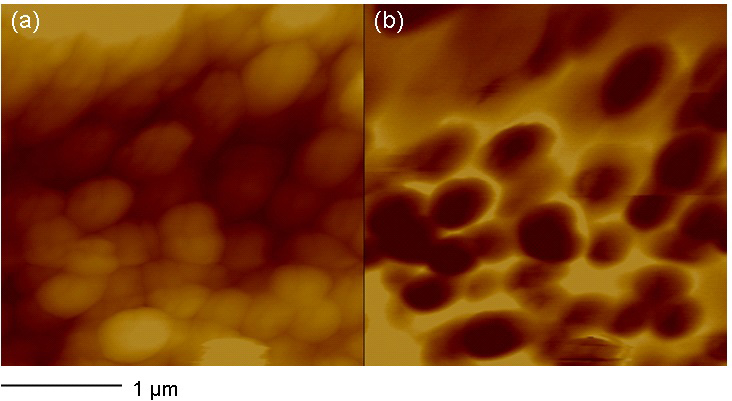
    The study is about the old question of how salmon always find their spawning grounds accurately or how migratory birds manage to orient themselves over long distances. Many animals have similar abilities, which have long been associated with special receptors for the Earth’s magnetic field. This is where we, an international team of researchers consisting of physicists, geneticists and sensory physiologists, came in with our study. After years of work, we succeeded in making small magnetic particles in individual sensory cells of salmon fish and other creatures visible under the microscope. The clusters of iron oxide particles, which are only a few nanometres in size, could not be visualised with such precision until now. Our study also provides clues to the evolutionary history of the magnetic sense, which primordial bacteria already possessed three billion years ago and which propagated into more highly developed organisms via a set of eleven genes.

    The publication had a great media response…
    …yes, it was reported worldwide. As our team’s correspondent writer, I was initially caught off guard by the many interview requests, but then adjusted and spoke with a great many journalists. The hype, incredible as it may sound, has continued for almost two years – and the public reacts lively to corresponding media contributions. Readers regularly report on their special orientation ability, their sixth sense, as many call it. This can quickly turn into esotericism, so you have to be careful. But when we think of Eskimos, who often find their way effortlessly in vast snowy deserts, the thought suggests itself that humans also have a sense of magnetic field orientation, perhaps even constructed in a similar way.

    Do you want to pursue this hypothesis in your research?
    No, I will not pursue it further. The physiologists and representatives of other disciplines will have to get on with it now. I have enough to do with my core topics.

    What is your main focus?
    My lab is all about developing innovative materials, with a view to interesting new applications. One example is nanowires with a diameter of a thousandth of a hair and extremely low electrical resistance. This is still basic research, but in the foreseeable future such wires could help double the performance of IT devices. We are also working on ultra-sensitive magnetic sensors that could benefit cardiac diagnostics enormously, for example. With the help of artificial intelligence, our sensors can detect magnetic signals from the heart and thus important indications of heart health. We have already presented our concept for a magnetocardiograph of the future at trade fairs and, if an investor can be found, we can bring it into use within three years.  The advantage of the new method is that no electrodes are needed on the skin; instead, our magnetic field sensors work without contact. Certain signals, triggered for example by conduction disorders, can be recorded much more precisely than before.
    Institut für Quantenoptik und Quanteninformation (IQOQI). © IQOQI/M.R.Knabl

    © Universität des Saarlandes

    Magnetic particles in sensory cells of salmon (left: topography, right: magnetic contrast).

    Not only do you have a broad range of topics, your laboratory is also home to a wide variety of disciplines. How come?
    That’s how new ideas are born, and that’s what fascinates me. Unfortunately, our funding landscape in Germany is structured along disciplinary lines. You need a lot of patience to realise interdisciplinary projects. But I take that on myself. I never wanted to be a professional idiot, but a researcher with vision and an interest in society. 

    One example of this is your essay on the future of Saarland. What was the response like?
    Very lively and it has continued since its publication in 2020. In the essay, my team and I had correctly predicted the closure of the Ford plant in Saarlouis two years before it was announced, which brought us a lot of public attention. Politicians also took the bait. In a discussion with the president of the Saarland state parliament, Stephan Toscani, I was able to explain our methods and forecasts in detail. 

    Did you also make science-based recommendations?
    That is not what we are about. We analyse the present and model plausible future scenarios on this basis. For Saarland, we have drawn up a particularly positive and a particularly gloomy picture of the future with a view to the year 2050. In the positive scenario, for example, we predict a doubling of the population and a flourishing hydrogen economy. Whether this will happen depends on long-term decisions. Basically, the scenarios are meant to inspire everyone who looks at them to develop their own images of the future. 

    You have also written a children’s book. How did that come about?
    The impetus came from a lecture at the Saarbrücken Children’s University. I had explained to my audience how various toys, some of them long forgotten, function physically and was delighted by the many questions parents, grandparents and children approached me with. In my book, which was written in a few summer weeks, I delve into these topics. At the centre is the robot Apus, who, with the help of his friends and a lot of artificial intelligence, goes on exciting adventures and solves a lot of mysteries in the process. With the book, I try to introduce children to science and technology in a playful way. The response was very positive and the first edition sold out quickly.  

    Children’s initial enthusiasm for scientific topics often wanes over the years. What is the reason for this?
    It must have something to do with school lessons. What it is exactly, I don’t know – that’s a matter for the education experts to find out. But from my own experience I can say that the good two thousand young people who visit the Saarland MINT Campus every year are on fire. We have to bring this spark into the schools, because Germany has a huge problem with young people in the STEM subjects of mathematics, computer science, natural sciences and technology. 

    How does this affect your department?
    As at most German universities, the number of students and doctoral students in physics is also decreasing here. Many come from abroad, for example from China.
    AleutBio-Team © 2022, Thomas Walter, Expedition SO293 AleutBio

    © Universität des Saarlandes

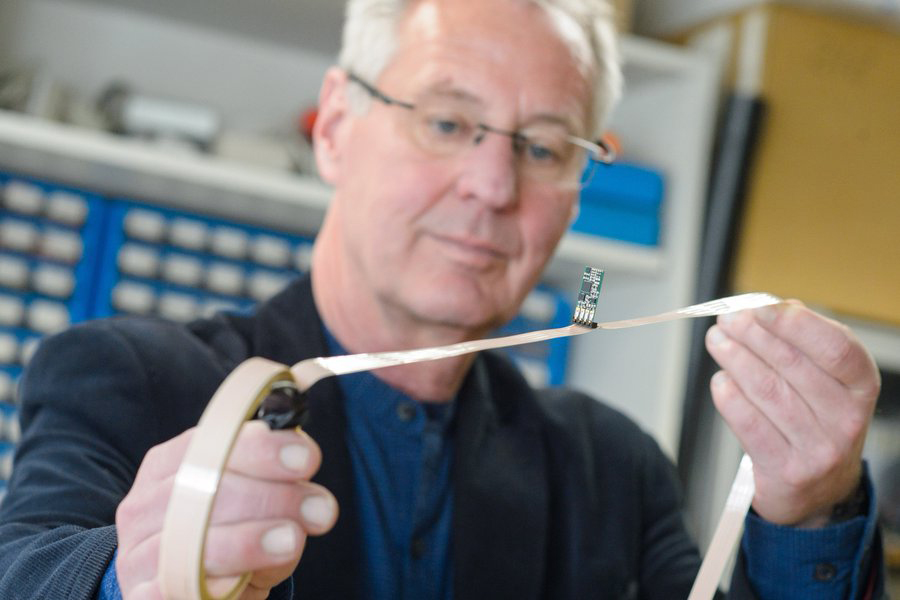
    A miniaturised magnetic field sensor that can be used for medical diagnostics, among other things.

    Academic cooperation with China is increasingly viewed with scepticism. You have two Chinese honorary professorships. How do you deal with the new situation?
    Of course, I am increasingly concerned about the political developments in China. However, in my experience, there is a clear difference between the behaviour of the political elite and the view of many young people at Chinese universities. Through their stay here with us as doctoral students or young academics, these young people virtually get to experience a contrasting program: free expression of opinion, critical views and lively political discussions. I believe this experience of freedom in the Western world, which has a strong formative effect, justifies potential dangers from the outflow of knowledge or technologies. 

    You are retired and continue to do research and teach. Has the shortage of young talent reached the professorial floor?
    No, no, that’s not the reason. I simply enjoy doing it very much and take advantage of a model project at my university that allows me to continue working for a few years. My workload includes six hours of lecturing per week, for example on nanotechnology, supervising several research projects and doctoral theses. From my point of view, this could go on for a few more years. 

    In the GDNÄ, you are involved as an elected representative and group chair for the 2024 conference in Potsdam. What motivates you?
    The GDNÄ stands for an interdisciplinarity that is missing in many places in our scientific landscape. I am also impressed by the student program. The very successful 200th anniversary celebration in Leipzig gave the society a great boost and I like to contribute to maintaining this momentum.
     

    Paul Mühlenhoff © Stefan Diesel

    © Universität des Saarlandes

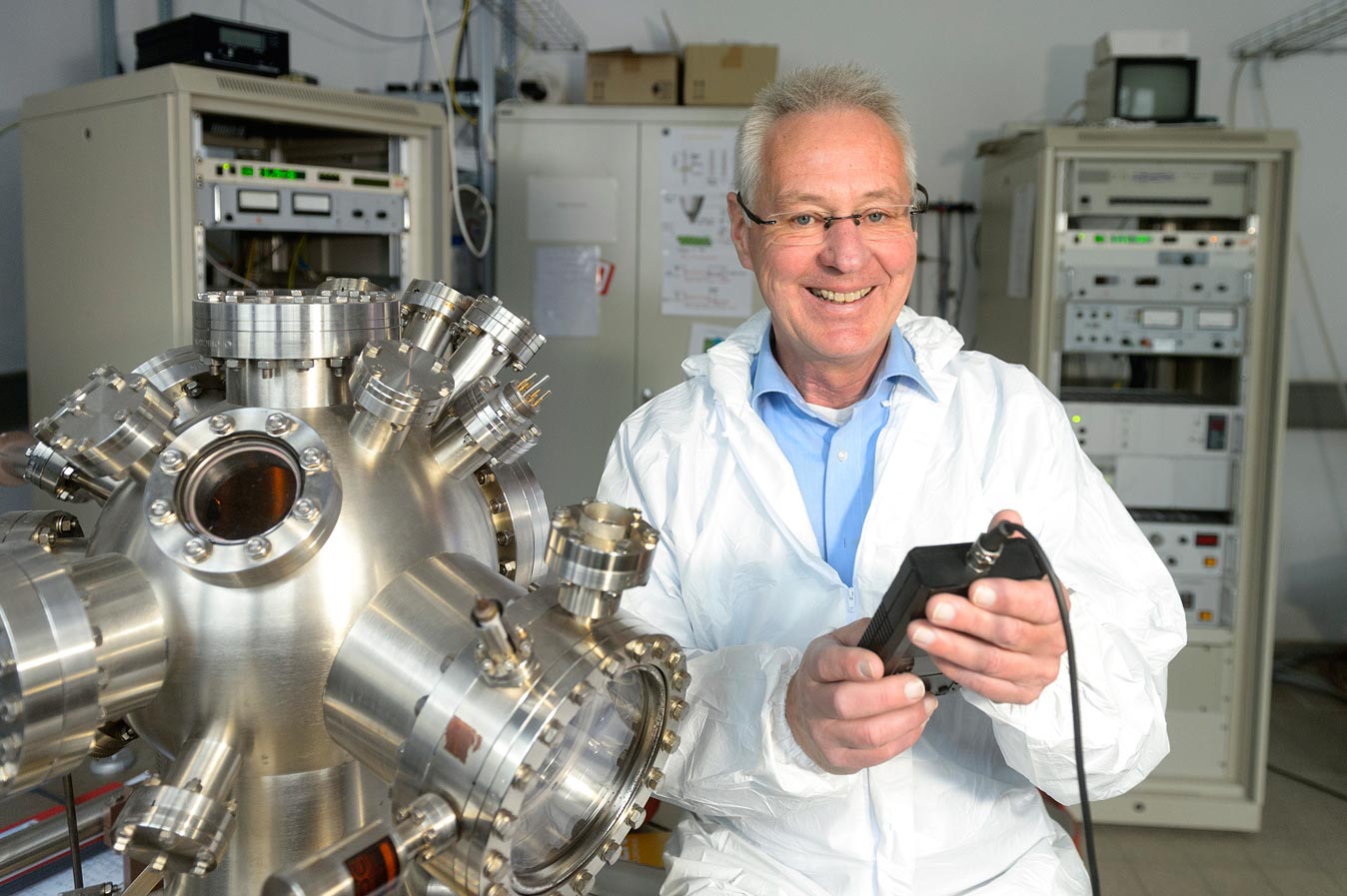
    In the lab: Uwe Hartmann at the ultra-high vacuum scanning tunnelling microscope.

    About the person

    After studying physics at the University of Münster, Uwe Hartmann completed his scientific training at the Universities of Giessen and Basel as well as at the Jülich Research Centre and the IBM Research Centre in San José, California. Since 1993 he has been Professor of Experimental Physics at Saarland University, where he heads the Chair of Nanostructure Research and Nanotechnology. One of his focal points is experimental nanostructure research, where he is primarily involved with scanning probe technology and magnetic field detectors. Professor Hartmann received a number of calls to universities and non-university institutions, but remained loyal to his Saar University. His scientific oeuvre comprises more than 400 lectures and more than 300 publications, including several books. He is the holder of several patents and co-founder of several companies, co-editor of various specialist journals and is involved in the board of nanotechnology associations. In 2013/14 he was Vice President for Europe and International Affairs and in 2015/16 Vice President for Planning and Strategy at Saarland University. For his scientific achievements, Uwe Hartmann was awarded the Philip Morris Research Prize (1998), an honorary professorship at Fudan University in Shanghai (2006), an honorary professorship at East China Normal University in Shanghai (2009) and the Federal Cross of Merit (2015).
    Paul Mühlenhoff © Stefan Diesel

    © Edition Ulrich Burger 2019

    Hartmann’s children’s book “Apus und die Geheimnisse hinter den Geheimnissen” (with drawings by Anne Holtsch, Edition Ulrich Burger 2019) struck a chord with the audience.

    Weitere Informationen:
    Angelika Brandt: Thousands of new species brought to light

    “Thousands of new species brought to light”

    The deep-sea expedition “AleutBio” almost failed shortly before it started. But the near-drama turned into a success. Marine biologist and expedition leader Angelika Brandt describes how this was achieved. 

    Professor Brandt, one year ago, on 17 July 2022, you set off with the research vessel “Sonne” to explore the biodiversity of the East Pacific deep sea. As cruise director, you were responsible for the scientific program. How did you experience the six weeks at sea?
    It was the most difficult expedition of my life – and I have led many before. The problems began with Russia’s attack on Ukraine, five months before the planned start. As a result, scientific relations with Russia were frozen by the German side. Our German-Russian expedition, which we had been preparing for six years, was also affected. We wanted to study biodiversity in the eastern Kuril-Kamchatka Trench, the Aleutian Trench and the Bering Sea. The research trip was to begin and end in Petropavlovsk-Kamchatsky. Since the end of 2021, we had the necessary permits in our pockets, the financing was secured, and the ship was basically ready to go. The emergency braking three months before the start of the expedition threw everything into disarray. 

    How did you still manage to get underway on time?
    We got together immediately and discussed a lot with the Federal Ministry of Research and the German Research Vessel Control Center. Finally, we agreed on a new route that would take us from the starting point of Dutch Harbor on the U.S. island of Unalaska to largely unknown deep-sea areas in the eastern Pacific and end in Vancouver. The expedition application went through the German Foreign Office, which lobbied the American authorities on our behalf. Exciting weeks followed, during which we continued to prepare the trip without knowing if and when it could take place. Through an international call for applications, we were able to fill the eight research positions that had become available at short notice. This was not an easy task, as 70 highly qualified scientists responded to the call for applications. When we received the approval two weeks before the planned start of the journey, on July 3, 2022, we were very happy. Aleutian Biodiversity Studies, AleutBio for short, was able to set sail.

    Institut für Quantenoptik und Quanteninformation (IQOQI). © IQOQI/M.R.Knabl

    © Anne-Cathrin Wölfl & Kevin Kess, Geomar

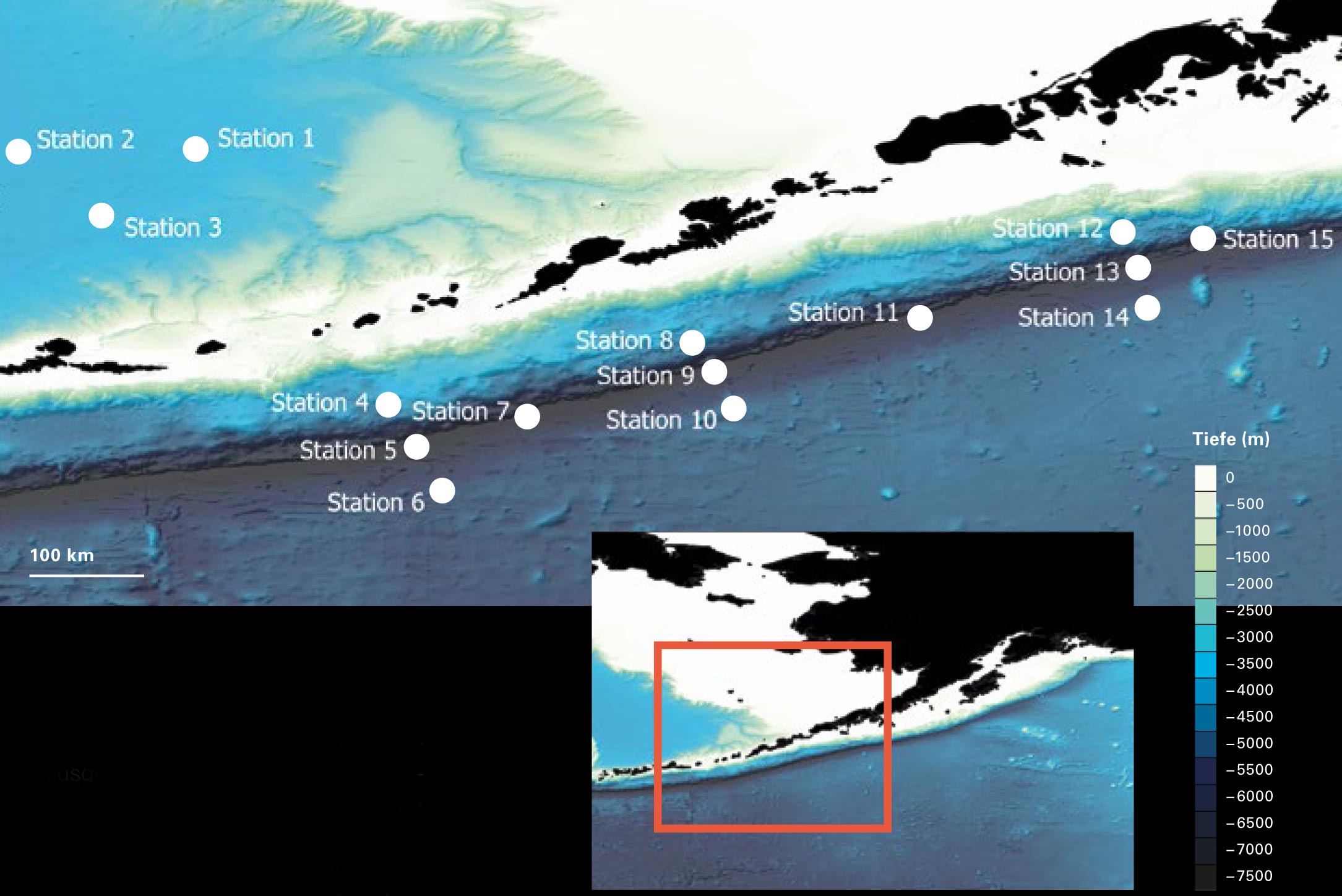
    Stations of the international AleutBio expedition in the Bering Sea and Aleutian Trench.

    How was life on board?
    Pleasant and exhausting at the same time. As a team, we functioned wonderfully. As usual, we worked in shifts throughout. The work under corona conditions was arduous: We had to wear masks all the time, even on deck, and test ourselves daily for the virus. Despite great caution, we had eleven cases of corona in the six weeks, which of course made daily interaction more difficult. And the fact that the sports room remained closed for hygiene reasons did not please the young people in the team at all. We reported daily on everyday life on board and our research in our AleutBio blog, which was frequently accessed. 

    And how did you fare as cruise director?
    I only got four to five hours of sleep a day, but I was used to that from previous expeditions. What bothered me more was the mask requirement. I am hard of hearing and read a lot from the lips of my conversation partners. I often asked them to take off their masks and talk to me from two meters away. 

    Research work in the deep sea: How can we imagine it?
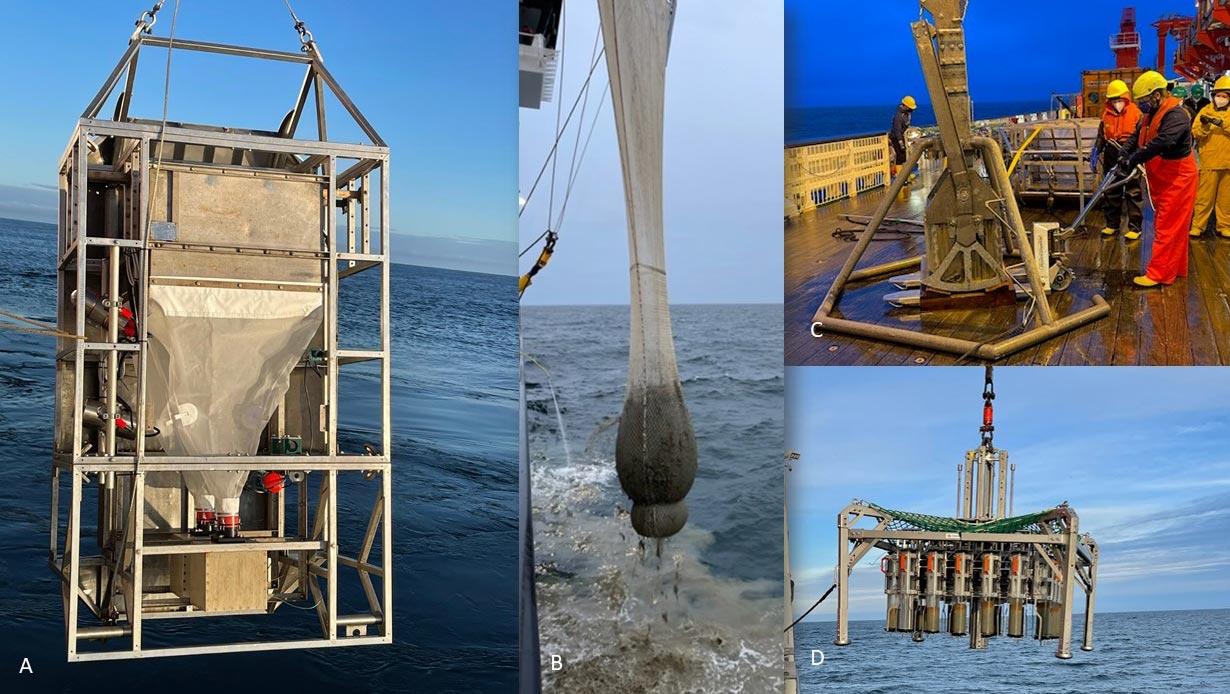
    Very important is the modern marine technology on board the Sonne. The ship has a twelve-kilometer deep-sea cable on which heavy equipment is lowered to take samples. There are autonomous and remote-controlled underwater devices and vehicles on board, plus several grab systems and towed devices such as the epibenthos sled. This opens only at the seafloor and collects, together with the deep-sea mud, those organisms that live at the bottom surface or just below it. On deck, the scientific team waits to sift out, pick out, sort, and photograph the critters brought up with the deep-sea mud. The rest of the sediment is fixed with ethanol to be examined days later under the binoculars for microorganisms. At the end of the expedition, the samples are packed into refrigerated containers and shipped to the home laboratories for further analysis. At my institute in Frankfurt, we took delivery of two containers last October and December.

    AleutBio-Team © 2022, Thomas Walter, Expedition SO293 AleutBio

    © 2022, Thomas Walter, Expedition SO293 AleutBio

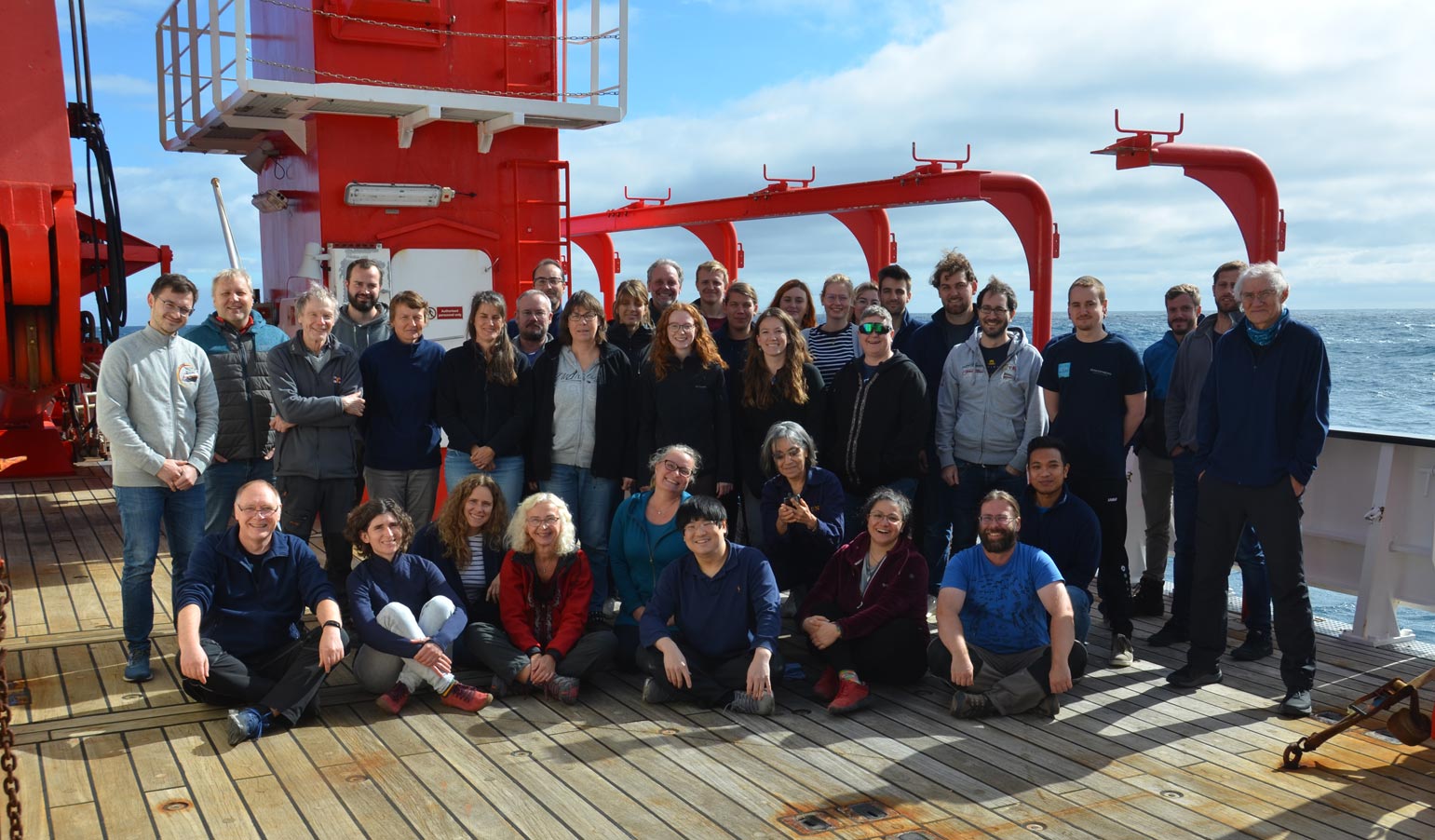
    The AleutBio team in a quiet minute and for once without a mask.

    That sounds like a storybook expedition. Did everything go so smoothly at AleutBio?
    The starting conditions were difficult, but after that things actually went well. The loss of two landers, which were to measure and record biogeochemical parameters automatically after setting down on the seafloor in the Bering Sea and the Aleutian Trench, respectively, was problematic. We tried for two days and nights, but were unable to get the landers back on deck. Finally, we had to move on and send a loss report to the U.S. authorities. This was a setback, of course. However, our sediment grab, a so-called multicorer, did help us get samples from this ocean region. We now have to study them outside their original habitat in the laboratory – with the landers, an analysis in the natural context would have been possible. 

    What exactly did you want to find out during your expedition?
    We are always interested in what the deep sea looks like and which organisms are predominant there. In addition, this time the focus was on two major topics. Topographically, we know that the Pacific deep-sea trenches from the Aleutian Islands to the Japan Trench to the Mariana Trench are interconnected. But is this also true for the fauna? Or do the species living there have little to nothing to do with each other? Then there is the question of the connections between the North Pacific and Arctic Oceans: what species are found there in each case, how fast do they spread, and what are the special features? The answers to such questions are important, among other things, when it comes to laying deep-sea cables or deep-sea mining, which is now being pushed more and more. And in times of climate change, we need to at least begin to understand what is happening in the oceans, which organisms are migrating where, which populations are shrinking or threatened with extinction.

    Die Bühne in der Kongresshalle am Zoo Leipzig hielt dem Ansturm der Schülerinnen und Schüler stand. © MIKA-fotografie | Berlin

    © 2022, Thomas Walter, Expedition SO293 AleutBio

    Modern ship and marine technology on board the Sonne: Epibenthos sledge (left), Agassiz trawl (centre), big box grab (top right), multicorer (bottom right).

    Are there any initial findings already?
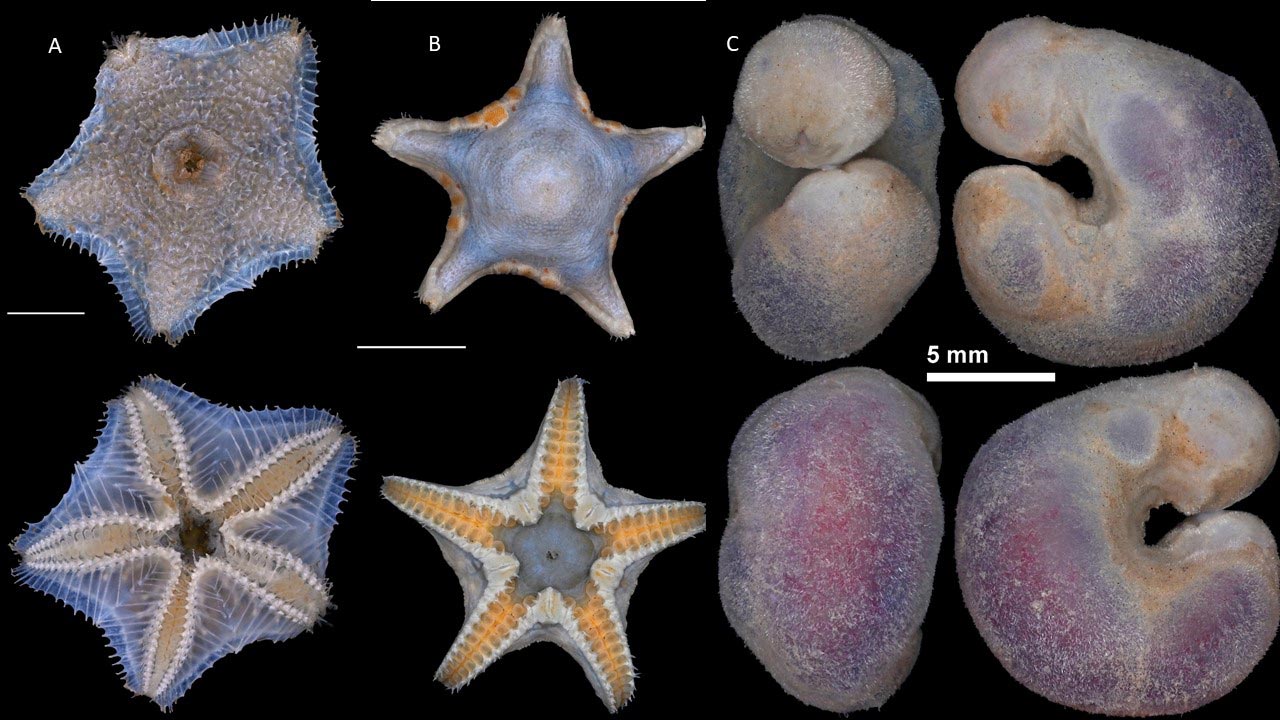
    Yes, some have already been published, others we are still reviewing. At great depths, we have found species that occur from the Kuril-Kamchatka Trench to the Aleutian Trench, so they are the same species over a distance of at least three thousand kilometers. This was not known before. In the Bering Sea, we were struck by the extraordinarily diverse habitats. All in all, we have unearthed a great many new species that will have to be studied in greater detail in the coming months and years. 

    When and where can you read the results?
    As mentioned, the first bachelor and master theses have already been published. By the way, we are still looking for students for further evaluations: So anyone who is interested in our work is welcome to contact me. We are currently preparing larger publications in international journals. The same applies to a research volume that will provide comprehensive information on AleutBio results. On our website we regularly report on new publications. There will be a lot more to come in the next few years. 

    The research collaboration with Russia is still on hold. What will become of your connections with Russian colleagues?
    There are currently no working relationships, and friendships that have developed over decades are in deep crisis. Some colleagues have more or less taken Putin’s side in the Ukraine war, which I cannot accept. A lot of trust has been lost there. We hear about repression and denunciations at Russian institutes and know that some scientists have left their country. Putin has done enormous damage to the cooperation of Russian researchers with foreign colleagues. 

    Die Bühne in der Kongresshalle am Zoo Leipzig hielt dem Ansturm der Schülerinnen und Schüler stand. © MIKA-fotografie | Berlin

    © Chong Chen, JAMSTEC

    Newly discovered organisms of the deep sea, photographed from different perspectives: A, B: Starfish, C: Worm molluscs.

    What do you have planned next?
    For the time being, I am fully occupied with evaluating the samples from our expedition. I don’t expect to be in charge of the expedition again; AleutBio was my last major effort in this respect. This also has to do with the long lead time for such expeditions. After all, we wait up to four years for ship time to be approved and I would then be slowly approaching retirement age. That’s why I’m now passing on the baton to the younger generation. Currently, I am supporting the Atlantic expedition of a colleague. She has already been on several trips with the research ships Meteor and Sonne to investigate questions in the Atlantic Ocean similar to those we are working on in the Pacific. This fall, I’m going on an expedition to the Japan Trench with students. If we found the same species there as we did in the Aleutian Trench, that would be spectacular, of course. 

    Will you report on your expedition and its results at one of the next GDNÄ meetings?
    With pleasure.

    Paul Mühlenhoff © Stefan Diesel

    © Privat

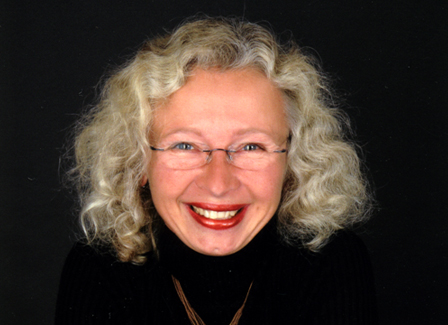
    Prof. Dr. Angelika Brandt, marine biologist and expedition leader.

    Interview with Angelika Brandt in the cultural programme of Saarländischer Rundfunk SR2

    About the person

    Marine biologist Prof. Dr. Angelika Brandt is a member of the board of directors at the Senckenberg Research Institute and Natural History Museum in Frankfurt am Main. There, she heads the Department of Marine Zoology as well as the Sections for Crustaceans and Fish Science. At the same time, she is Professor of Special Zoology at Frankfurt Goethe University. Previously, Angelika Brandt was a professor at the University of Hamburg for 22 years and headed the university’s Zoological Museum from September 2004 to October 2009. The 62-year-old researches the biodiversity of the macrofauna in the deep sea and in the polar regions, specialising in the group of marine isopods. For her research, Angelika Brandt has so far taken part in 30 ship expeditions – several times in a leading role. In recognition of her extraordinary research achievements and her commitment to the protection of the deep sea, a new species of deep-sea isopod was recently named Austroniscus brandtae. Angelika Brandt is Chair of the Biology Group at the 2024 GDNÄ conference in Potsdam.

    Further Information:

    Paul Mühlenhoff © Stefan Diesel

    © 2022, Thomas Walter, Expedition SO293 AleutBio

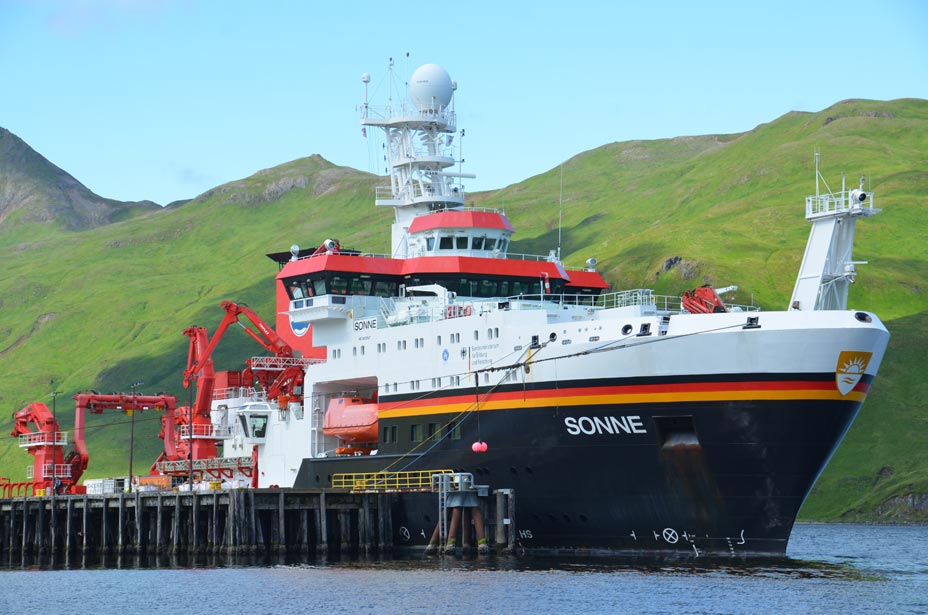
    Das Forschungsschiff „Sonne“ vor dem Auslaufen im Hafen von Unalaska.

    AleutBio figures

    • 38 researchers from 12 nations
    • 16 participating institutions
    • 3631 nautical miles traveled
    • 7230 meters of depth reached (Aleutian Trench)
    • 44 days, 2 hours, 34 minutes on board
    • 952 sampled sites
    • 643 kilometers of deep-sea cable laid

    Contact for bachelor and master theses on AleutBio:

    Prof. Dr. Angelika Brandt angelika.brandt@senckenberg.de

    Paul Mühlenhoff: If you don’t think for yourself, you don’t learn properly

    “If you don’t think for yourself, you don’t learn properly”

    Paul Mühlenhoff, head of the GDNÄ student program, on amazing experiences with ChatGPT, attempts at cheating at school and discussions in the staff room. 

    Mr Mühlenhoff, there has been lively discussion about ChatGPT for months. Do you have your own experience with the text generator?
    I tried ChatGPT for the first time in late autumn 2022 and found the program surprisingly good, even in the then still early version. I asked practice questions for an upper school lesson on the novel “Der Trafikant” – just for testing purposes, not for a concrete application. The results came very quickly, were quite challenging and seemed to be suitable for the target group. I found it impressive that the program told me what it didn’t know yet. Despite some shortcomings, it was already clear then where the journey was going: these systems will get better and better. 

    In the debate about ChatGPT in schools, some call for a ban, others emphasise the new opportunities. What is your position?
    In my opinion, a ban would be pointless. ChatGPT and other generative language models are coming and we have to deal with them. Our job as teachers is to explain how it works and to prevent abuse. 

    According to a survey by the digital association Bitkom, half of the students in Germany have already used ChatGPT when doing homework, writing texts or preparing for exams. What is it like at your school?
    At my school, the Helmholtz-Gymnasium in Bielefeld, ChatGPT is mainly used in the upper school. I don’t know exactly what the situation is like in the middle school. I suspect that it doesn’t play a big role there yet.

    Institut für Quantenoptik und Quanteninformation (IQOQI). © IQOQI/M.R.Knabl

    © Timo Voss, Studio of Thoughts | Helmholtz-Gymnasium Bielefeld

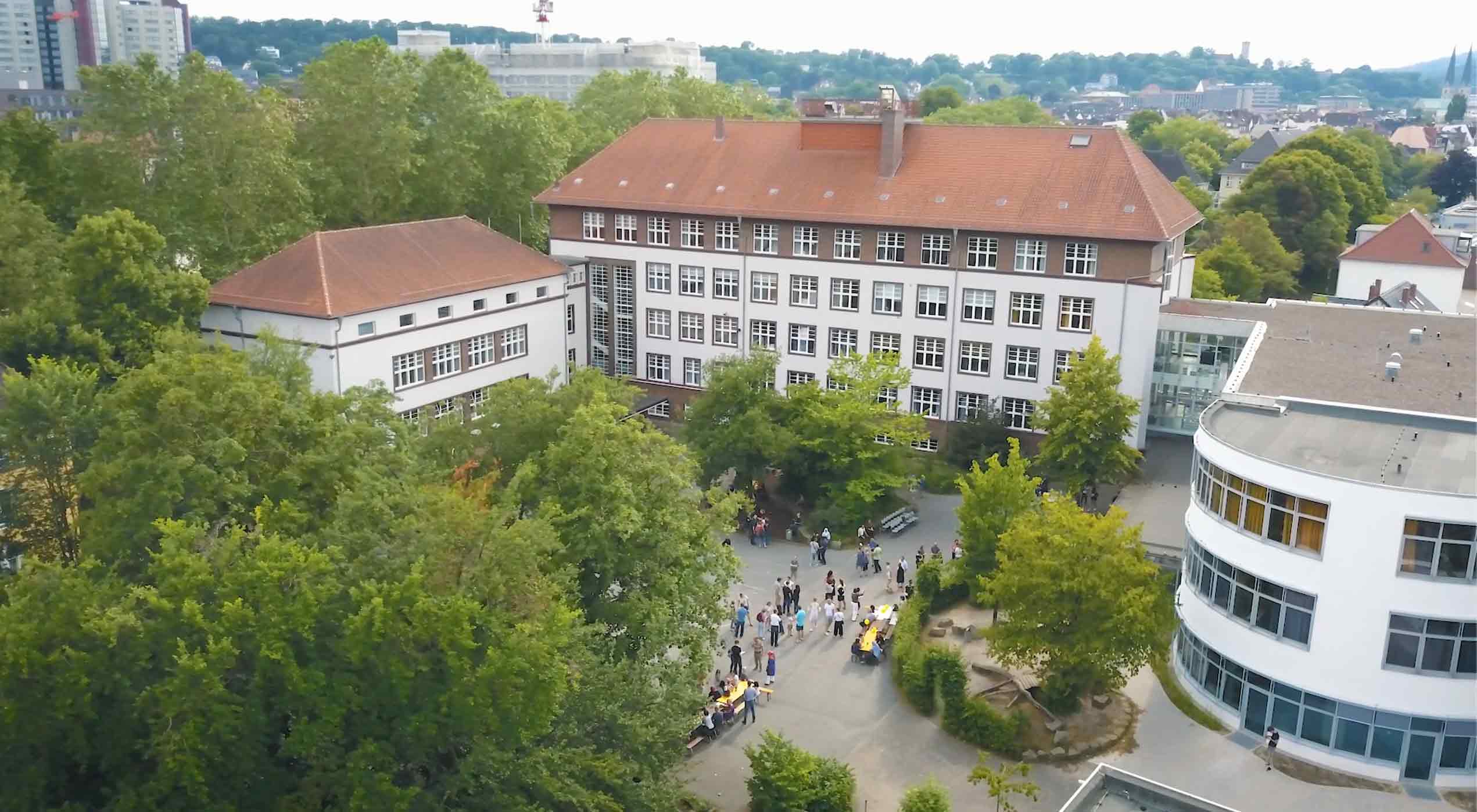
    Bielefeld’s Helmholtz High School, shown here in an aerial photo, was founded in 1896. Under the motto “A modern high school with tradition”, around 100 teachers now teach around 1000 students.

    For what purposes do the young people at your school use the chatbot?
    As far as I can observe, mainly to try it out and play. However, there have already been individual cases of suspected misuse this year. For example, it was a question of subject papers, i.e. papers that are written at home without school supervision and whose grade is weighted the same as an exam grade. If there are clear discrepancies between the work and the previous performance, we naturally become suspicious.

    How did your school react in this situation?
    Since we have the burden of proof, colleagues scrutinised the work very closely. Knowing that ChatGPT can also generate source references, they checked, for example, whether Bielefeld libraries had the books mentioned in the paper. The suspicion that papers were written with the help of other people, such as parents, also existed in the past. But ChatGPT opens up completely new dimensions. For this reason, there is already a discussion in our staff about whether papers of the previous type will be acceptable at all in the future. Will they have to be supplemented by oral examinations or will we have to find completely new ways?

    It will probably be the same in other schools. How are the school authorities reacting to the challenge?
    The Ministry for Schools and Education in North Rhine-Westphalia reacted quickly and published a well-done guide for dealing with text-generating AI systems. Other federal states have also published corresponding recommendations.

    What about teacher training on AI in general and chatbots in particular?
    There are such offers. But they would only be interesting for me if they were specifically tailored to my subjects of German and biology. That is not yet the case.

    You tested ChatGPT early on. Did that have consequences for your teaching?
    Yes, I promptly made the new technology a topic in my upper school lessons. We talked about how chatbots work, what they can and cannot do. We also talked about the uncertain source situation and data protection concerns: After all, you have to give out your mobile number to use ChatGPT extensively. However, my main concern in the conversation with the students was to warn them early on about the temptation to use the AI model as a “homework helper”. Using it would be beneficial in the short term, but if you don’t think for yourself, you won’t learn properly. And that is the danger behind it. But then we didn’t continue to use ChatGPT in class.

    Can you and your colleagues tell whether a homework assignment was done by students or by a chatbot?
    So far I haven’t had any suspicious cases. I would argue that we teachers can tell pretty quickly whether it is our own performance or not. We can assess the performance of our students very well through their participation in class and the exams – discrepancies are quickly noticed. In my subjects, I hardly see any scope for using ChatGPT for homework anyway. They usually involve material with texts and graphics, and you can’t easily feed the AI with that yet. With simple definition tasks, it is perhaps something else. But these are not of great importance for us.

    In what way could ChatGPT be useful in your subjects?
    That’s a difficult question, because the areas of application are incredibly extensive and many questions are still unanswered for us teachers. I see a possible use especially where the students are in dialogue with the AI and have to formulate their prompts, i.e. their requests, more and more precisely in order to reach the goal. Learning then takes place in this process. In biology, for example, it would be conceivable to first develop experiments hypothetically or even to model an experimental procedure. In German, for example, I would find it exciting to have the AI interpret specific dialogues from a novel or drama excerpt and to discuss the plausibility of the reasons with the students. Can an AI grasp irony? How much context does it need for that? Answering these questions would also be useful for our own understanding of literary texts.

    Will ChatGPT fundamentally change schools, as some predict?
    No, I don’t think so, at least not in the classical school subjects. It might be different in computer science classes. What certainly remains unaffected by the new technology is our mission as teachers: we are supposed to educate young people to learn independently and impart knowledge. ChatGPT can possibly help with this and enrich the lessons, especially in the upper school.

    Institut für Quantenoptik und Quanteninformation (IQOQI). © IQOQI/M.R.Knabl

    © MIKA-fotografie | Berlin

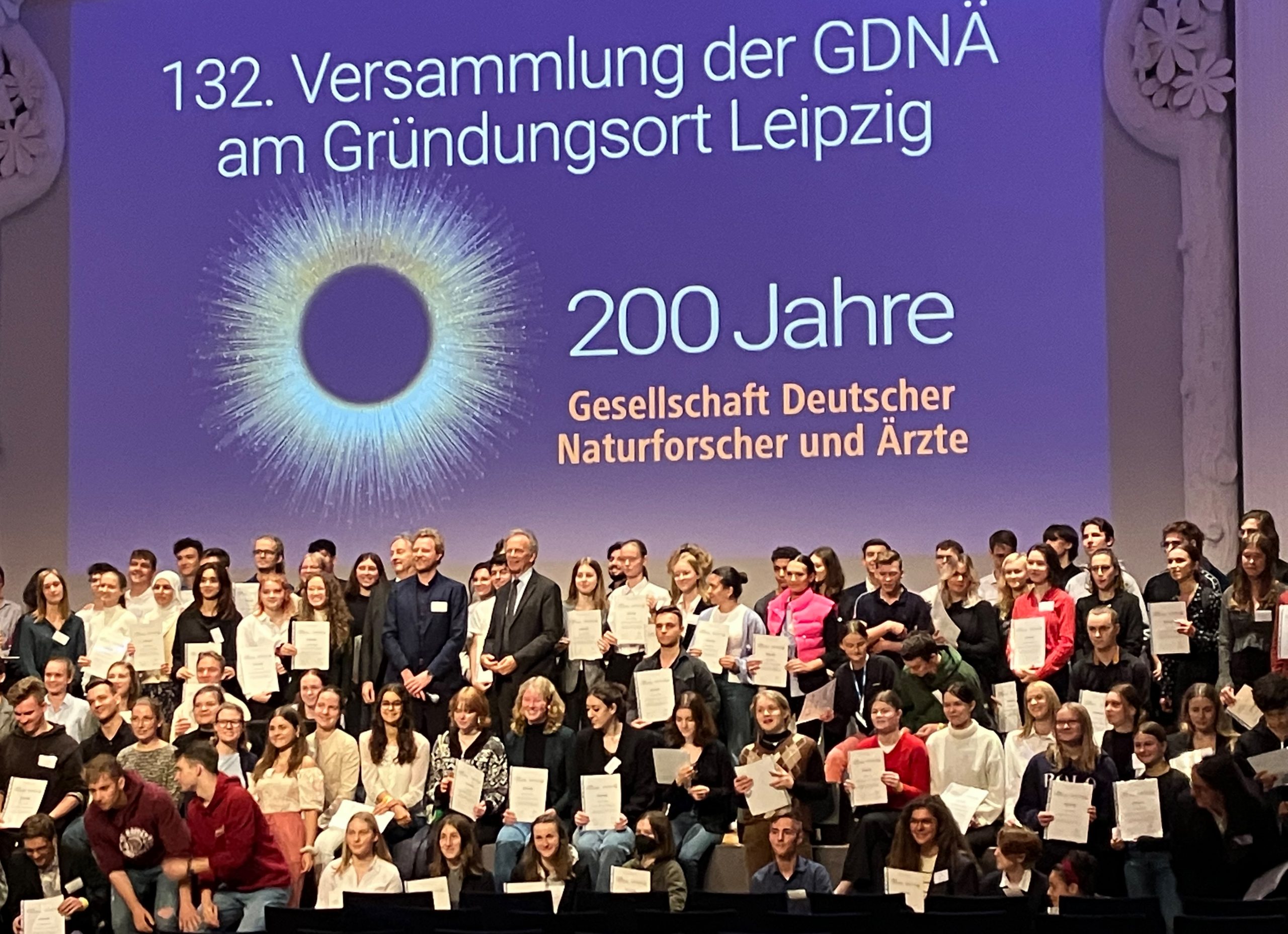
    Grand finale of the 2022 Student Program on the occasion of the 200th anniversary of the GDNÄ in Leipzig. Paul Mühlenhoff is is in the middle of the second row from the top.

    You are the head of the GDNÄ’s student program. Will ChatGPT play a role in the next program round in 2024?
    The students always deal with questions that they have formulated themselves – this will also be the case in Potsdam in 2024. There are no guidelines from the student program, neither in terms of content nor methodology. I can well imagine that ChatGPT will be used for research in the future. And I am convinced that the students will disclose their approach transparently.
    Paul Mühlenhoff © Stefan Diesel

    © Stefan Diesel

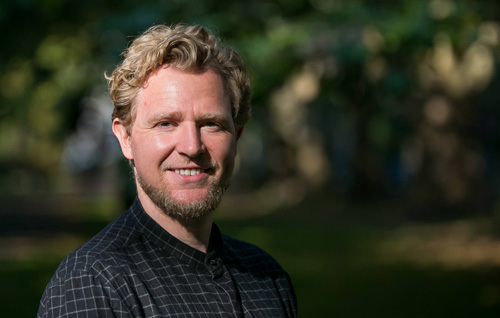
    Paul Mühlenhoff is a high school teacher of German and biology.

    About the person

    Paul Mühlenhoff is in charge of the large-scale students` program of the German Society of Natural Scientists and Doctors. The teacher of German and biology worked for many years at the XLAB – Göttingen Experimental Laboratory for Young People. Since 2019, he has been teaching grades 5 to 12 at Helmholtz Gymnasium in Bielefeld. The school was founded in 1896 and describes itself as a “modern school with tradition”. Around a thousand students and a hundred teachers come and go there every day.

    Further information:

    What is ChatGPT? – Answer from the editors

    ChatGPT is a chatbot that has an answer to every question and seems to know everything. A chatbot is a language model that can “talk” to humans in natural language, provide information and write and rephrase texts. The language model is based on artificial intelligence (AI). It calculates the probability with which words follow each other and forms sentences from this. In order to be able to imitate human language, the software was trained with a large amount of texts. ChatGPT can deliver excellent results if you ask good questions. But it can also spout nonsense with the greatest of ease. It is therefore important to fact-check the answers. The “chat” in the name refers to the program’s ability to converse with users in natural language, the abbreviation GPT stands for Generative Pre-trained Transformer. The chatbot was developed by the Californian company Open AI.

    What is ChatGPT? – Answer from ChatGPT

    ChatGPT is an advanced AI model based on the GPT 3.5 architecture developed by OpenAI. It specialises in interacting with users in natural language and helping them answer questions or solve problems. ChatGPT can understand text input, understand and generate context, and generate human-like responses. It has been trained through machine learning on large amounts of text data to gain broad knowledge in different topics. It is able to carry on conversations, give instructions, provide information and much more.

    (Result of a query on 4 July 2023)

    Barbara Albert: “An important and great task”

    “An important and great task”

    Barbara Albert, chemist and rector of the University of Duisburg-Essen, on her first year in office, dealing with a cyberattack and focus topics in the Excellence Competition.  

    Professor Albert, you have been Rector of the University of Duisburg-Essen, or UDE for short, since spring 2022. How was your first year in office?
    It was exciting and productive, but also challenging. As the University of Duisburg-Essen, we are part of the University Alliance Ruhr and this year we had the chance to establish a new Research Alliance that catapults our research into a new league. At the same time, we have vigorously pursued applications for the Excellence Strategy competition of the federal and state governments, as well as our sustainability initiative and the founding of a new faculty – to name just a few examples. 

    With what goal and what topics is your university entering the Excellence Competition?
    Together with the Ruhr-Universität Bochum and the Technische Universität Dortmund, we are sharpening our research profile, for example in the field of neuroscience. Traditionally, however, drinking water and freshwater research is also very strong at the University of Duisburg-Essen. With the interdisciplinary Centre for Water and Environmental Research, which has been making a name for itself for twenty years, we have an internationally renowned scientific institution with impact at the UDE. Climate change requires a responsible and flexible approach to water as a resource, and that is why it was important for us to place the topic in the competition for excellence. 

    On 27 November 2022, you had only been in office for just over half a year, there was a major cyber attack on your university. What exactly happened back then?
    Our IT infrastructure was attacked and data was encrypted. We discovered the attack on a Sunday morning and had to disconnect the entire university from the internet on the same day. We worked for more than three months to rebuild our IT infrastructure. Part of our data was published on the so-called Darknet. 

    How did your university react to the attack?
    With great commitment from all members and enormous solidarity. Despite the technical difficulties, we were able to go through with the examination phase for the students at the beginning of February with more than one hundred thousand individual examination performances – that was a great achievement. But at the same time, even now, many of us are very stressed and drained, because all the involuntary extra work is getting to you. 

    The state government of North Rhine-Westphalia supported your university financially in dealing with the cyber attack. How is the cooperation with politics in general?
    There is a strong awareness of the value of science in the state government. However, we need more support very urgently in the building sector. Many of our buildings were built in the 1970s and urgently need to be renovated. Others we want to build from scratch. 

    Institut für Quantenoptik und Quanteninformation (IQOQI). © IQOQI/M.R.Knabl

    © UDE

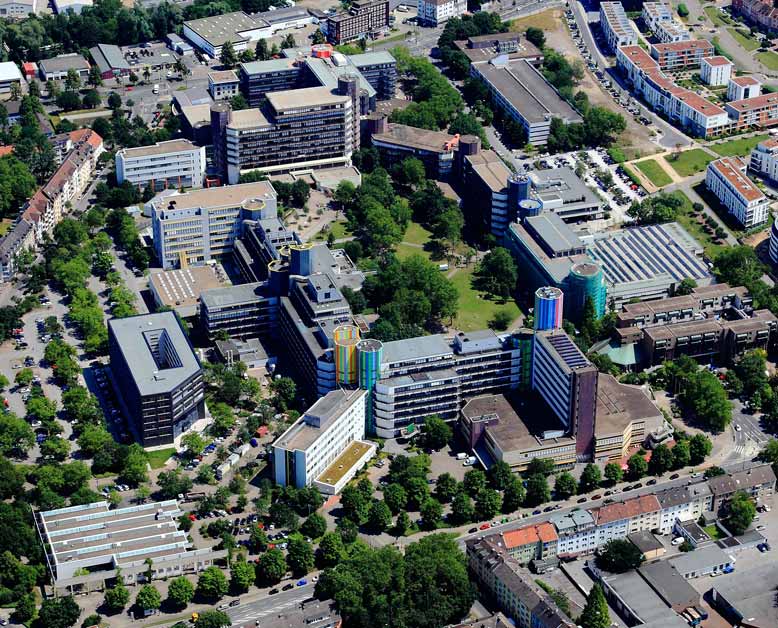
    Aerial view of the Essen campus of the University of Duisburg-Essen.

    Politicians often associate science funding with the hope of economic benefits. How do you deal with this?
    The hope is justified, because money that flows into universities often pays off in economic benefits – especially in the region around a university. And the Ruhr is a region that is willing and able to transform. It rightly sees itself as an innovation region. The starting point for an innovation is the invention, and where does that come from? First and foremost from the universities. The UDE, for example, has been doing hydrogen research for many years, which is in great demand from partners in the economy. In my rectorate team there is Professor Pedro José Marrón, a prorector for transfer, innovation and digitalisation. He takes care of the exchange with partners from business and society and energetically promotes entrepreneurial activities, for example the founding of start-ups, from within our university. 

    As a chemist, you have worked on the development of new materials. As a science manager, do you still have time for your own research?
    I’m involved in Collaborative Research Centre 1487 “Iron, rethought!” and supervise – on weekends – the completion of individual doctoral theses. Unfortunately, there is not enough time for more. Saying goodbye to individual research was not an easy step, but it was a conscious one. I like being where I am now. Leading the UDE is an important and great task.

    Labor im Innsbrucker Institut für Quantenoptik und Quanteninformation © IQOQI/M.R.Knabl

    © UDE/Frank Preuß

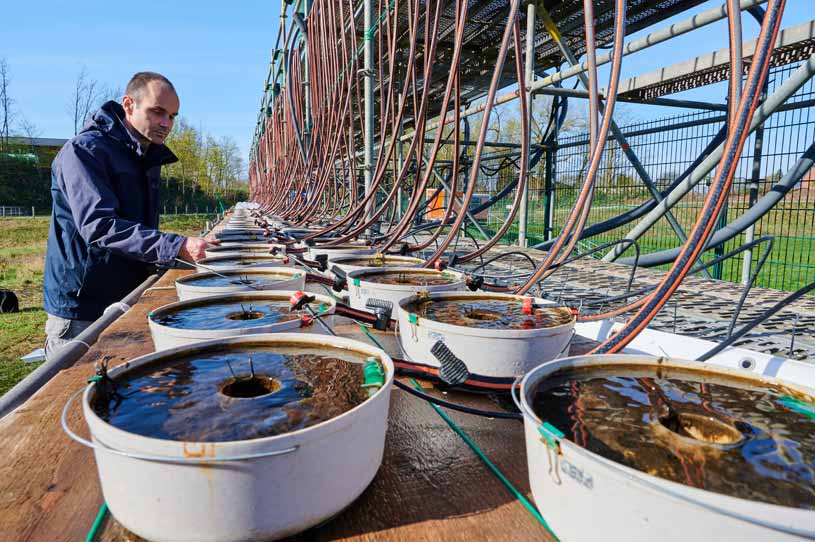
    Dr Daniel Grabner, coordinator in the UDE’s RESIST special research area, checks so-called mesocosm experiments. These replicate artificial mini-ecosystems and are filled with water from the Boye, a tributary of the Emscher. Various stressors are added to the water, i.e. factors that can negatively influence organisms.

    You have been a member of the GDNÄ for a good ten years. What does it mean to you?
    Professional societies like the GDNÄ play an important role as a contact and interface between science, civil society and politics. Their professionalism gives them credibility and neutrality. The GDNÄ in particular is exciting because of the diversity of disciplines it represents. This fits well with the aspirations of universities, whose special appeal for me is that scientific depth and expert knowledge are institutionally linked with professional diversity and breadth in aspiration. For the future of the GDNÄ and for all other scientific societies, it is important to convince new members of the appeal of scientific societies – also so that they become more international and diverse. To this end, it is necessary to develop formats that appeal to young people as well and that fit today’s times. I attended the 200th anniversary celebration in Leipzig and had the impression that the GDNÄ is on the right track.

    DLR_Anke_Kaysser-Pyzalla

    © UDE

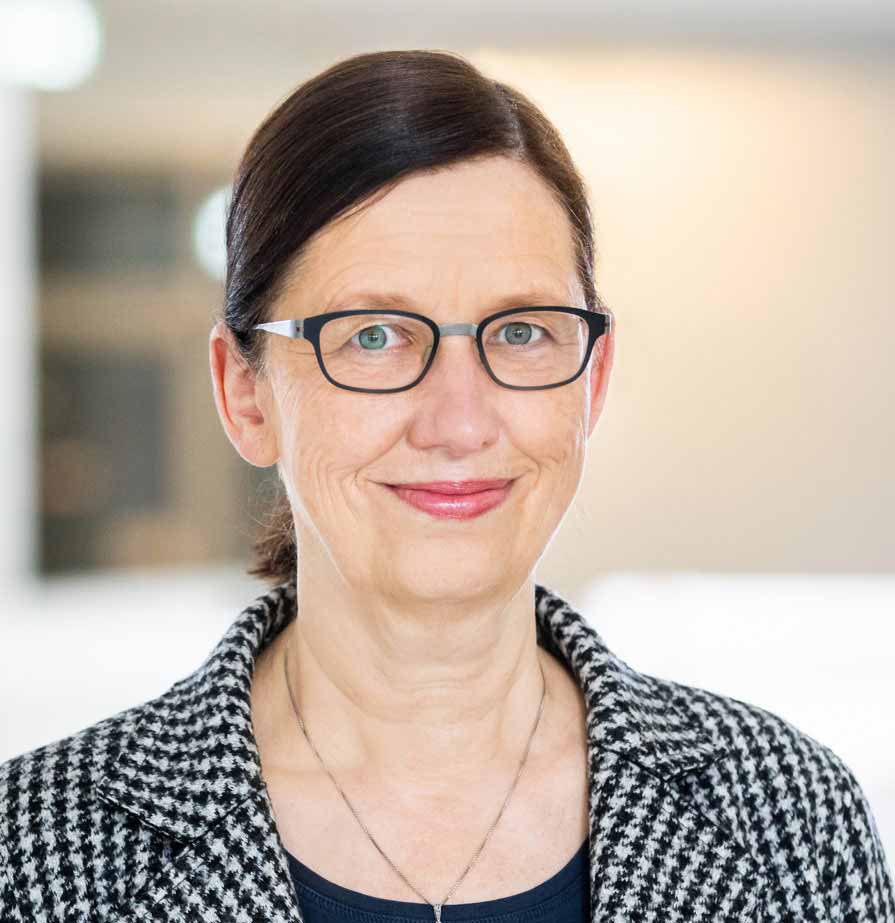
    Professor Barbara Albert, Rector of the University of Duisburg-Essen.

    About the person

    Barbara Albert acquired her scientific qualification at the University of Bonn. After studying chemistry, she received her doctorate in 1995 and then spent a year doing research at the Materials Research Laboratory of the University of California, Santa Barbara. She habilitated in 2000. In 2001, Barbara Albert was appointed Professor of Solid State Chemistry/Material Sciences at the University of Hamburg. From there she moved to the Technical University of Darmstadt in 2005, where she researched and taught as Professor of Inorganic Solid State and Structural Chemistry until 2022. From 2020 to 2021, she served as Vice President for Research and Young Scientists at TU Darmstadt. From 2012 to 2013, Barbara Albert was President of the German Chemical Society. She is a member of the supervisory boards of Evonik Industries and the Schunk Group, a member of the Berlin-Brandenburg Academy of Sciences and Humanities and has received several academic honours. Professor Barbara Albert was elected Rector of the University of Duisburg-Essen in 2021 and took office on 1 April 2022.

    Further information:

    Peter Liggesmeyer: Application orientation is important to me

    “Application orientation is important to me”

    Peter Liggesmeyer, computer scientist and member of the GDNÄ Board Council, on artificial intelligence, obstacles to innovation and affordable cell therapies. 

    Professor Liggesmeyer, everyone is talking about ChatGPT these days. Is this also the case in professional circles, for example at your Fraunhofer Institute for Experimental Software Engineering IESE? 
    Yes, chatbots have been talked about here too, and not just for a few months, but for years. At IESE there is a general interest in the topic; at the University of Kaiserslautern, where I have been teaching and researching for almost 20 years, it is about the use of ChatGPT in teaching or the evaluation of student performance. These issues are the subject of controversy among colleagues. But I think it will be clear that a complete ban on the use of systems like ChatGPT makes as little sense as its unrestricted use. 

    What is your position?
    Linguistic models such as ChatGPT can produce polished texts from a few keywords, but they are no substitute for the often tedious and laborious knowledge acquisition that university is all about. The models are suitable for quick bibliographic searches, for example, and can provide valuable services in this regard. The field is currently very volatile, there are good arguments for and against the use of chatbots in universities. I think we should observe the development for a while and make decisions after a reasonable period of time. 

    ChatGPT has brought the topic of artificial intelligence sharply into the public consciousness. How do you see the development in this field?
    I too am amazed at how fast everything is going and what is possible today. The results are getting better and better. They can no longer compare with the first bulky AI solutions that I worked on as a PhD student in the early 1990s. The big push came in recent years, mainly thanks to high-performance computers and the availability of large amounts of data. But, of course, even these impressive systems are not intelligent in the true sense of the word. 

    Where does Germany rank in AI research in international comparison?
    With the nationwide German Research Centre for Artificial Intelligence (DFKI) and its partner companies, we can keep up a good pace in research and development. In addition, there are numerous AI researchers at universities and research institutions, including Fraunhofer IESE. Overall, I see great opportunities for our country here. One obstacle to innovation could be the planned EU AI Act, a law to regulate AI applications at the European level. The aims of the project are quite honourable; however, I fear that the envisaged implementation might become an obstacle for the technology with negative effects also in practice. We know this from the General Data Protection Regulation (GDPR), which pursues very sensible goals, but confronts us daily with stuffing masks when using the internet in the name of online data protection. We should avoid this at all costs.

    Institut für Quantenoptik und Quanteninformation (IQOQI). © IQOQI/M.R.Knabl

    © Fraunhofer IESE

    Workspace at Fraunhofer IESE.

    As a researcher, you have been working for thirty years at the intersection of computer science and classical engineering. Is there a common thread between your projects?
    Yes, there clearly is. At the beginning of my scientific career, I focused on software quality assurance. Now I focus on the security of digital systems. This involves two types of security risks: external threats to systems in the sense of the English term “security”, but also “safety”, i.e. dangers emanating from the systems themselves. Security risks exist, for example, in self-driving cars, in autonomous Industry 4.0 environments or in medical technology. If these systems are to make autonomous decisions with the help of machine learning, residual risks must be determined as a basis for the required certifications. This is not currently possible for machine learning components, but it would be important, which is why research is being carried out. Humans are good at constantly finding workable solutions for complicated tasks with imponderables in everyday life. The technical solutions of the future will have to be measured by whether they can do something similar. 

    Do you have any examples of this?
    Yes, specifically MY DATA Control Technologies from my Fraunhofer Institute. This is software for individual control of data usage. It allows you to define and monitor compliance with data usage rules. For example, one could authorise the use of one’s own data for medical research purposes, but at the same time set up a comprehensive data protection that prohibits the use of the same data for advertising purposes, for example. What happens to one’s own data is always determined by the donor of the data. The system arrives at workable compromises in complicated situations with simple rules, as we humans do every day. 

    How important to you is the practical use of your research?
    The practical orientation of my research is important to me. If the results are then used in practice, that is, of course, especially motivating. With this in mind, the artificial contradiction between basic and applied research dissolves. Industrial and academic research also come closer together. Thus, at my university I am involved in the areas of “Commercial Vehicle Technology”, “Works of the Future” and “Region and City”. At Fraunhofer-Gesellschaft, I am a member of the spokesperson team of the strategic research field “Intelligent Medicine”.  

    Intelligent medicine: what does it mean?
    Together with several Fraunhofer institutes, we are currently developing automated production technologies for new vaccines and mRNA-based cell therapies. We are using solutions that have emerged in the context of our Industry 4.0 research to be able to produce highly effective and affordable individualised medicines in the future. A very smart and sensible idea, in my opinion.

    Labor im Innsbrucker Institut für Quantenoptik und Quanteninformation © IQOQI/M.R.Knabl

    © Fraunhofer IESE

    Main building of Fraunhofer IESE in Kaiserslautern.

    You have been a member of the GDNÄ Board for a few months now. What motivated you to accept this honorary position?
    On the one hand, the interdisciplinary nature of the GDNÄ, which fits in very well with my professional background. I graduated in electrical engineering in 1988 with a specialisation in data technology. The combination of computer science and engineering runs through my career. In the GDNÄ I would like to advance these subjects and, at the same time, promote their interdisciplinary linkage. For example, by building new bridges with the German Physical Society or the Society for Computer Science. There are also interesting points of reference between engineering, computer science and medicine, for example in the field of RNA therapies. I see the GDNÄ as a crystallisation nucleus for promising co-operations.  

    Could this be an argument for young academics to get more involved in the GDNÄ?
    I am convinced of it. Young people know how important interdisciplinary cooperation is for real progress. It is very important to be rooted in one’s own subject, that is something I want to point out. Because only those who are well versed in their field can be successful in interdisciplinary teams.

    DLR_Anke_Kaysser-Pyzalla

    © Fraunhofer IESE

    Prof. Dr. Peter Liggesmeyer

    About the person

    Since 2004, Prof. Dr.-Ing. habil. Peter Liggesmeyer has been director of the Fraunhofer Institute for Experimental Software Engineering IESE in Kaiserslautern; in the same year, he also took over the Chair of Software Engineering in the Department of Computer Science at the Technical University of Kaiserslautern. From 2014 to 2017, he was President of the German Society for Computer Science.

    After studying electrical engineering with a specialisation in data technology at the University of Paderborn, Liggesmeyer received his PhD at the Ruhr-University Bochum (RUB) in 1992. From 1993 to 2000, he set up a centre of expertise in the field of security analysis and risk management in the central research and development department of Siemens AG. At the same time, Peter Liggesmeyer was a lecturer at the TU Munich, the TU Ilmenau, the FSU Jena and the RUB. There he taught the subject “Quality Assurance of Software Intensive Technical Systems” in 2000. From 2000 to 2004 he was a lecturer for Software Engineering and Quality Management at the Hasso Plattner Institute (HPI) at the University of Potsdam. Peter Liggesmeyer has received several scientific awards, is co-editor of several journals and author of numerous technical articles and books, including the reference work “Software Quality”. He also advises leading companies and organisations and is the scientific spokesman of the Industry 4.0 research advisory board. In autumn 2022, he was elected to the GDNÄ board as thematic representative for mathematics/computer science.

    Further information: