“We can learn a great deal from differences”
Gender-sensitive medicine? Sabine Oertelt-Prigione explains why it is important for a healthier future at the conference in Bremen – and in this interview.
Professor Oertelt-Prigione, you teach gender-sensitive medicine at Bielefeld University. What exactly does this term mean?
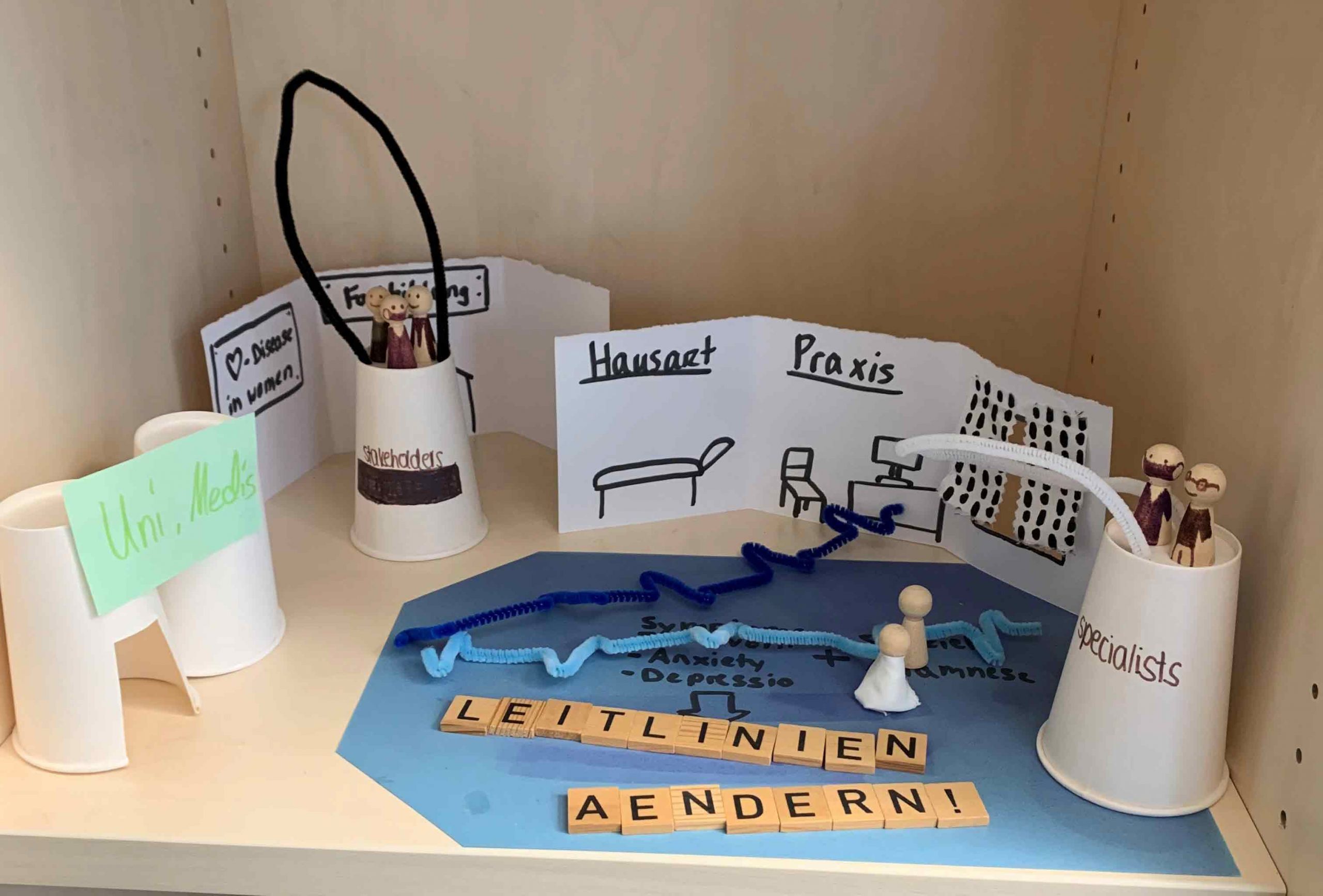
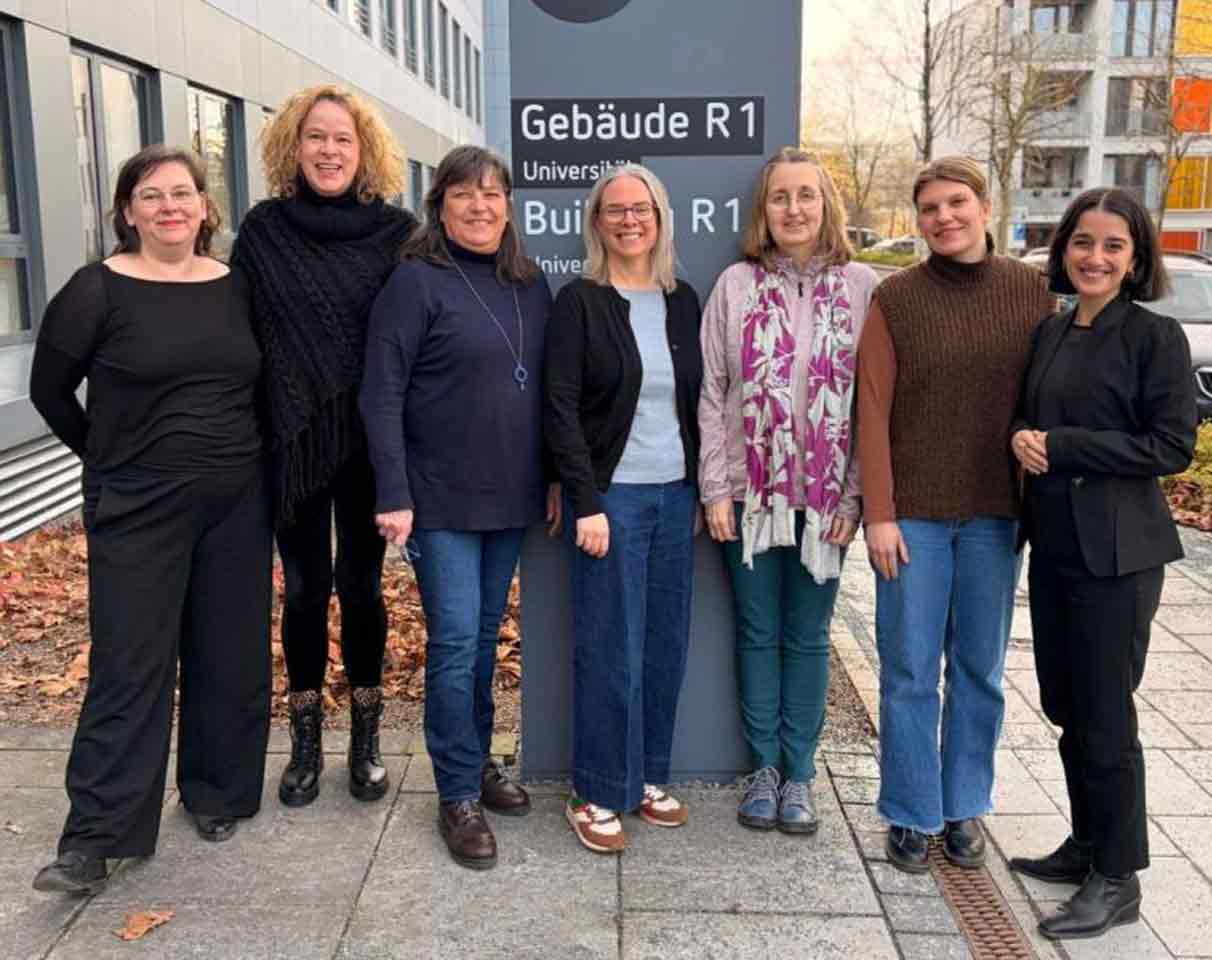
It concerns the influence of gender on health and illness. In my research group in Bielefeld, for example, we investigate whether patients’ gender affects the choice of diagnostic procedures and therapies, and what role it plays in doctor-patient communication. To this end, we analyse international studies and conduct our own surveys. Other groups in gender-sensitive research carry out biomedical laboratory research. We focus more on the clinical and social science aspects of the field.
Is gender-sensitive medicine the same as gender medicine, or are there differences?
Essentially, these are two different definitions for similar approaches. I myself prefer gender-sensitive medicine because I find it more precise in German. In medicine, we deal with biological and social sex, and their influence. With the term ‘gender medicine’, the focus seems to be more on gender, even though this aspect is researched far less in medicine than biological differences.
It was not so long ago that scepticism towards gender-sensitive approaches in medicine prevailed. Today, the perception is more positive. Why is that?
One important reason is the improved data. In the 1990s, it was recognised that women are more likely to die from a heart attack because their symptoms do not match the male-dominated textbook description and are therefore frequently overlooked. This finding has since been confirmed by large, long-term studies. Cardiology paved the way for gender-sensitive medicine, but in recent years other fields such as oncology, neurology and infectious diseases have been catching up.
© AG Geschlechtersensible Medzin Bielefeld
Please illustrate this with an example.
Let’s take oncology: cancer drugs often cause more side effects in women. On the other hand, they are sometimes more effective than in men. Checkpoint inhibitors, however, which trigger the body’s own immune system to fight the tumour, often work better in men.
So gender-sensitive medicine is about more than just women’s health?
Yes, quite clearly. We do not conduct research on women solely for women. In some diseases, men are at a disadvantage; consider osteoporosis or breast cancer, which affects around 700 men in this country every year. In these and other conditions, we are primarily interested in gender-specific differences and the underlying mechanisms. Next, we want to find the appropriate interventions and optimise care. The aim is to learn from these differences in order to improve medicine as a whole.
What role do societal changes play in the shift in perception of your field of research?
Awareness of the differences between people, of diversity, has grown in recent years. The younger generation in particular is committed to this, and that also benefits us. Added to this has been a shift among funding organisations, which are increasingly recognising and financially supporting our research.
At the start of the year, the Federal Ministries of Health and Research announced new funding programmes on women’s health. What do you hope to gain from these?
The Federal Ministry of Health’s programme has a total budget of ten million euros and focuses heavily on gynaecological issues such as endometriosis and the menopause. These topics are fundamentally very important, but somewhat less attractive for my research, partly because the comparison between the sexes plays only a minor role. The Federal Ministry of Research’s programme is more interesting in that regard. The funding pot contains significantly more money for research into new contraceptives, women’s health, but also the gender data gap in clinical trials. The term indicates that many scientific findings are based on studies involving men. It is not uncommon for these findings to be simply applied to women without further scrutiny, which can have fatal consequences. For instance, women react differently to certain active ingredients than men, or they require different dosages. The gender data gap is a topic that particularly interests us in Bielefeld.
You say the problems have been recognised. How is biomedical research addressing them?
Over the last ten years, much has improved. The guidelines issued by funding bodies at both German and European level have been crucial. Today, funding applications must already specify how researchers intend to address the issue of gender. The gender of study participants must be documented, as must that of laboratory animals. Compared to the past, this is already a huge step forward.
@ Privat
Are young researchers being trained accordingly?
Gender-sensitive medicine is still scarcely embedded in compulsory teaching; we are awaiting the announced amendment to the Medical Licensing Regulations, which would incorporate the topic and thus make its integration into the curricula necessary. At least many German universities offer relevant optional modules and lecture series. There are now professorships at the Charité, in Magdeburg and here in Bielefeld. At these universities, gender-sensitive medicine is also part of the compulsory curriculum.
Research is one thing, but do the findings actually make it into practice?
The guidelines issued by professional associations play a major role in this. We have examined many guidelines and found that most are not gender-sensitive. We will be publishing a study on this in the summer. We are also seeking to engage in dialogue with the professional associations. Obstacles here sometimes include a lack of awareness of the issue, but often also a lack of data needed to make guidelines gender-sensitive.
How did you yourself come across the topic of gender-sensitive medicine?
That was a good twenty years ago during my time as a post-doc in the US. It was rather by chance that I came across the striking gender differences in autoimmune diseases there. I then continued my specialist training in internal medicine and completed a Master’s in Public Health. I actually wanted to become a tropical medicine specialist, but gender-sensitive medicine had really gripped me. I was able to deepen my knowledge at the Charité’s ‘Gender Research in Medicine’ unit, and as a professor in Bielefeld and Nijmegen, I have been able to contribute independently to this field of research for the past ten years.
Do you already have any ideas for your talk at the GDNÄ conference?
I will provide an overview of the current state of research, but also offer practical suggestions for the doctors in the audience. Incidentally, it is not only human doctors who can benefit from the findings of gender-sensitive research; they are also relevant to veterinary medicine. I am very much looking forward to the exchange in Bremen.
@ Erasmus University Rotterdam
About the person
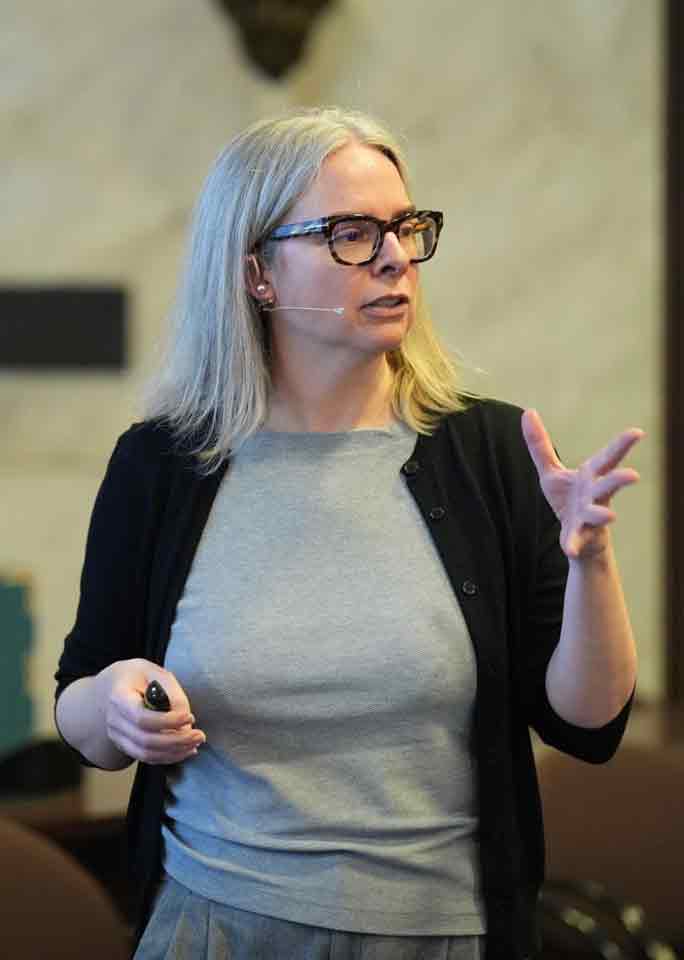
Prof. Dr. Sabine Oertelt-Prigione is an internist, holds a Master of Public Health and is a systemic organisational consultant. In 2021, she accepted the appointment to the newly created Chair of Gender-Sensitive Medicine in the Department of Clinical and Theoretical Medicine at Bielefeld University.
At the same time, she continues to hold the Chair of Gender in Primary and Transmural Care at Radboud University in Nijmegen, the Netherlands, a post she took up in 2017. From 2009 to 2014, Oertelt-Prigione worked as a research fellow at the Charité. In 2015 and 2016, she trained as a systemic organisational consultant at the Artop Institute of Humboldt University in Berlin and qualified as a professor in internal medicine at Charité in 2016.
Sabine Oertelt-Prigione was born in Nuremberg in 1978. She attended the German School in Milan and studied medicine at the University of Milan. As a post-doctoral researcher, she conducted research at the University of California, Davis; she completed her public health studies at the London School of Hygiene and Tropical Medicine.
The physician was a member of the EU Commission’s expert groups on ‘Gendered Innovations’ and ‘Gender and COVID-19’. She is a member of the Medical Committee of the German Science Council and the German Medical Association’s Drug Commission.
>> Lecture by Prof. Dr. Sabine Oertelt-Prigione on Sunday, 20 September 2026: “The Significance of Gender in Biomedical Research”